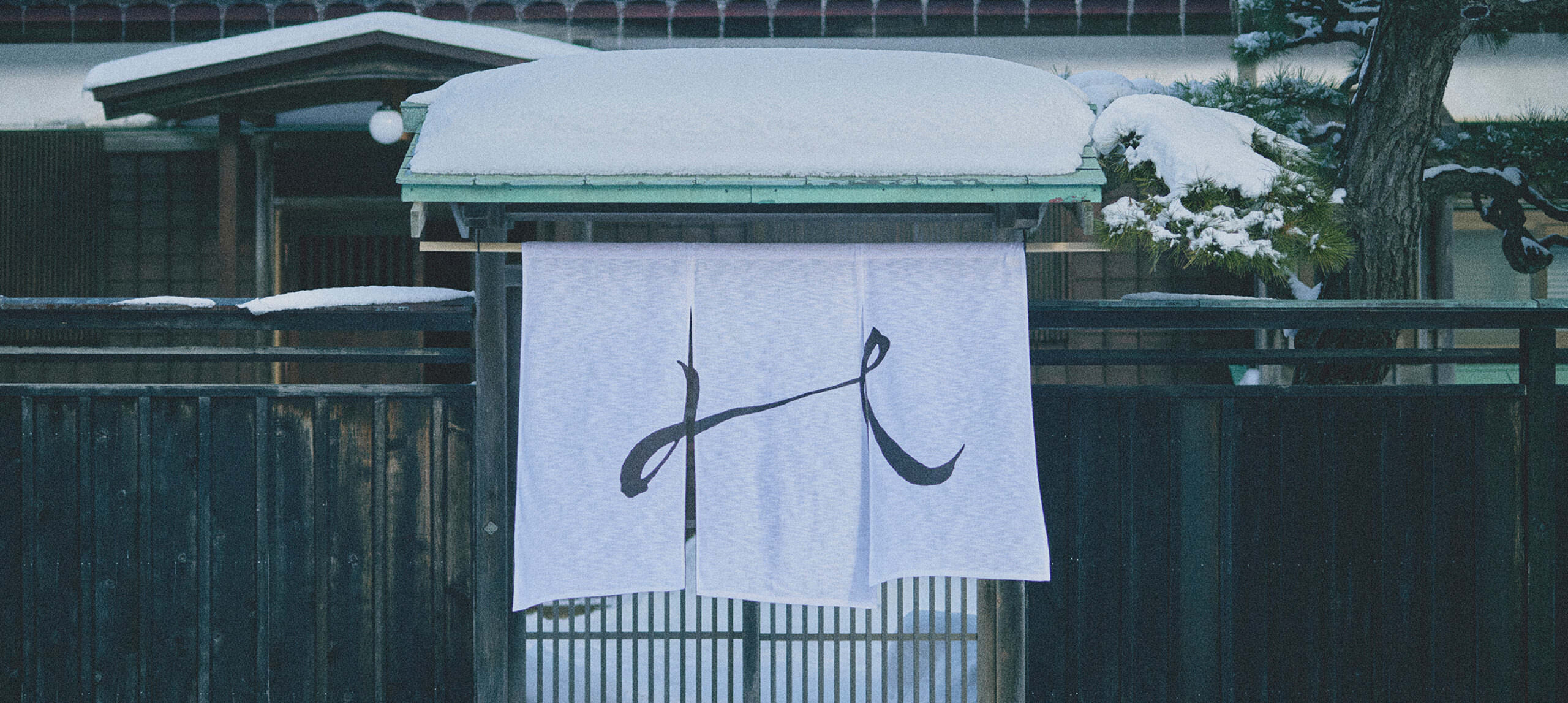
The Old Soma Residence is a nationally designated Important Cultural Property, located within one of Japan’s treasured historic districts. Protected for more than a hundred years, this historic site has been reimagined as an exclusive heritage hotel of just three rooms.
Architectural beauty that blends Japanese and Western styles over a period of more than a hundred years
The Old Soma Residence, a National Important Cultural Property located in the western part of the Hakodate City Traditional Building Preservation District, was the private residence of Teppei Soma, one of Hokkaido's leading merchants, who laid the foundation of Hakodate with a spirit of local gratitude.
The entire building is constructed with high-quality materials, highlighting the craftsmanship and design of traditional Japanese architecture, while achieving a splendid harmony with Western-style rooms adorned with delicate carvings and luxurious furniture, which still captivates the hearts of visiting guests.
Old Soma Residence Kazeno Heritage is preserved and revitalized as a hotel consisting of three rooms, which includes an Important Cultural Property storehouse and the house of the guardians who have protected this Important Cultural Property, providing an experience to meet the 'connectors' of local culture.
This hotel in Hakodate serves as a 'connector' that engages in the cycle of preserving the region's traditions and culture through the guests' stay.

A location with a view of Hakodate Bay
The area around The Old Soma Residence, located in Hakodate City, particularly around Motoizaka, holds extremely high historical, cultural, and scenic value.
This area has been designated as the "Hakodate City Motomachi Suehirocho Important Preservation Districts for Groups of Traditional Buildings," and it is the only Important Preservation Districts for Groups of Traditional Buildings in Hokkaido. The streetscape, which rapidly developed from the late Edo period to the Meiji period, still remains, and it is home to a collection of historical buildings such as foreign consulates and churches.
Motoizaka was once the administrative and geographical center of Hakodate. Its name derives from the establishment of the "Ritei Genpyo" (milestone) during the Meiji period, marking it as a geographical hub. Additionally, on the elevated area above Motoizaka, the Hakodate Magistrate's Office was located during the late Edo period, and after the Meiji period, it continued to function as a central administrative site with the Hokkaido Development Agency's Hakodate branch and Hakodate Prefectural Office. The Old Soma Residence is situated above the former British Consulate and below the former Hakodate Ward Public Hall, adjacent to Motomachi Park, placing it in a central location among historical buildings.
The location, utilizing the sloped land leading to Mount Hakodate, is highly regarded for its scenic value. Situated on a hill that offers a panoramic view of Hakodate Bay, the wonderful landscape was also evaluated as an element that "enhances the townscape of the port town of Hakodate" when the residence was designated as an Important Cultural Property.
In this entire area, there are public facilities that were supported by the personal wealth of the first Teppei Soma, marking a significant history of contributions to the community. The old Hakodate Ward Public Hall, a beautiful Western-style building representing this area, was constructed with a large donation from Soma as a replacement for the town hall that was lost in the great fire of 1907. Additionally, the moss green Western-style building at the foot of Motoizaka is a historical structure still used as the headquarters of Soma Corporation. Furthermore, nearby are the former site of the old ward office, where he donated land, as well as the Hakodate Hachiman Shrine and Koryuji Temple, which he also contributed to, making the entire area a cultural heritage that conveys the achievements of Teppei Soma.

Important Cultural Property The Old Soma Residence historical background
The Old Soma Residence is a historical building located in Motomachi, Hakodate City, Hokkaido, built as the private residence of Teppei Soma, the first generation of a prominent merchant in Hakodate.
The historical background is deeply connected to the opening of Hakodate port, the recovery from repeated large fires, and contributions to the local community.
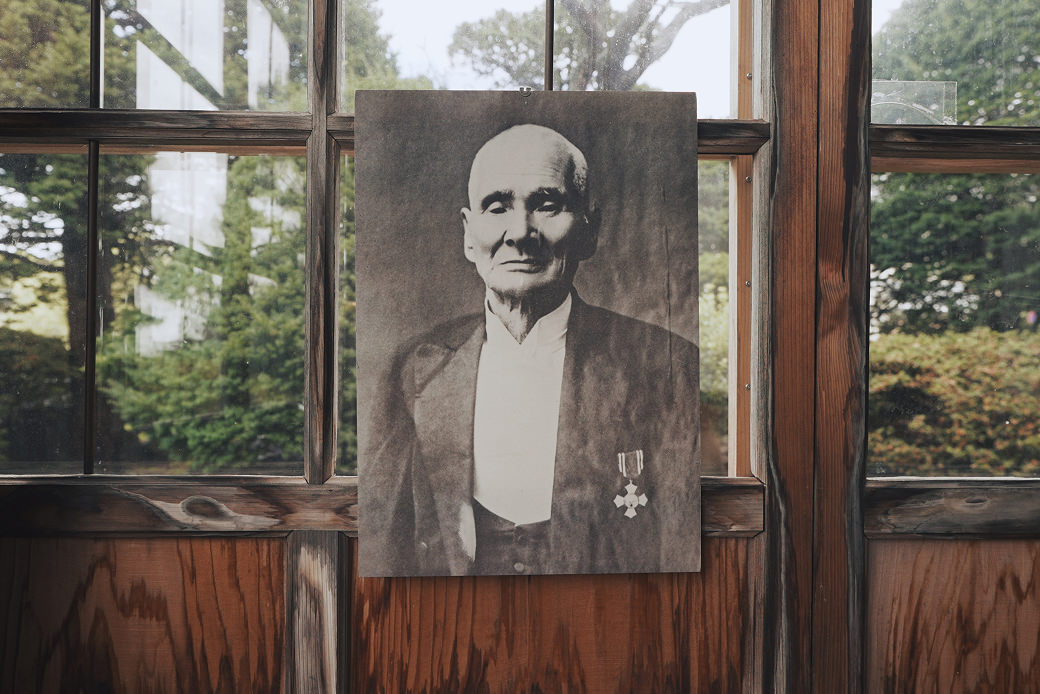
First generation - Teppei Soma and the development of Hakodate
The first generation, Teppei Soma, was born in 1833 in Echigo Province (present-day Niigata Prefecture) and moved to the newly opened port of Hakodate at the age of 28 (in 1861). Initially, he was employed, but within just three years, he became independent as a rice merchant.
During the Hakodate War in 1868, as citizens were evacuating, one individual took a life-threatening gamble by investing all their wealth to buy rice. This decision led to the accumulation of immense wealth due to the soaring rice prices after the war. Subsequently, they invested in herring fishing and transitioned into the financial industry, becoming the most prominent merchant in Hokkaido.
He is a person who values the spirit of 'local gratitude' and has made substantial donations to many public facilities in Hakodate, including the Old Hakodate Ward Public Hall, the Hakodate City Library, and various shrines and temples, thereby laying the foundation for the development of Hakodate.
Background of reconstruction and architecture after the great fire
The Old Soma Residence was built in response to a great fire in 1907 (the 40th year of the Meiji era) that resulted in the destruction of over 10,000 homes, including the complete burning of the Soma family's previous residence, leaving only a storehouse.
Construction began in 1908 (the 41st year of the Meiji era) and was completed by 1911 (the 44th year of the Meiji era). This construction also aimed to create employment and support the livelihoods of people displaced by a great fire, and it was built as a symbol of recovery, known as the 'Star of Hope.'
Since the opening of Hakodate following the Japan-U.S. Treaty of Amity and Commerce in 1854, a style known as "Wayo-sekkei," which blends Japanese and Western elements, became standard in Hakodate. This residence, while primarily based on Japanese architecture with elaborate carvings both inside and out, also includes a Western-style reception room, showcasing the refined design characteristic of Hakodate at that time.
In the great fire of 1921 (the 10th year of the Taisho era), although there was some damage, the building itself was saved. Even now, in the second-floor materials room, traces of the wood protecting itself from the fire and charred beams are preserved.
The journey to preservation and Important Cultural Property
The direct descendants of the Soma family lived there until 2008, but afterwards, the building faced the risk of demolition due to deterioration. In 2009, a citizen from Hakodate (the current owner, Mr. Nobushi Higashide) invested his personal funds to purchase the property, driven by the desire to preserve the residence of a great benefactor of Hakodate, and carried out extensive restoration and preservation work.
Opened to the public in 2010, the former Soma family residence was designated a National Important Cultural Property in 2018 (Heisei 30) in recognition of its historical value and outstanding design, with the main building and storehouse designated as important cultural properties of Japan. The Old Soma Residence now stands on a hill overlooking Hakodate Bay and is carefully preserved as a valuable cultural heritage that conveys the lifestyle of wealthy merchants of the time and the spirit of Hakodate merchants.

Artisan craftsmanship and luxurious architecture
The Old Soma Residence is characterized by its "fusion of Japanese and Western styles," which reflects the historical background of the opening of the port in Hakodate, and it is adorned with decorations that showcase the top-notch craftsmanship and luxury of the time throughout its interior and exterior.
Overall, there is a dignified Japanese-style architecture featuring a gabled entrance with a prestigious 'mukuri' roof (a roof that curves outward), and intricate designs can be seen throughout, such as 'osaranma' and wedge-shaped sliding door frames. A green-painted Western-style room is incorporated into part of the building, which is regarded as the most highly valued in terms of design.
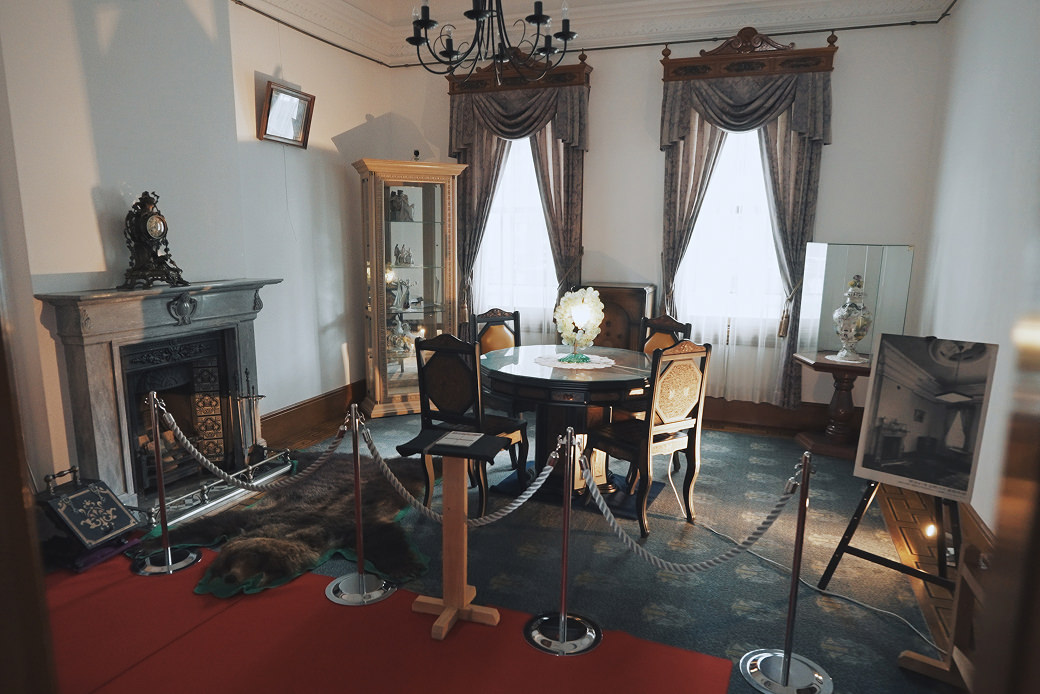
Luxurious decoration of the Western-style room (reception room)
This room, created to host foreigners and dignitaries, embodies the pinnacle of Western design of its time. The exterior walls are clad in a pale green color, and the window frames, columns, and eaves are adorned with dense and delicate plant carvings.
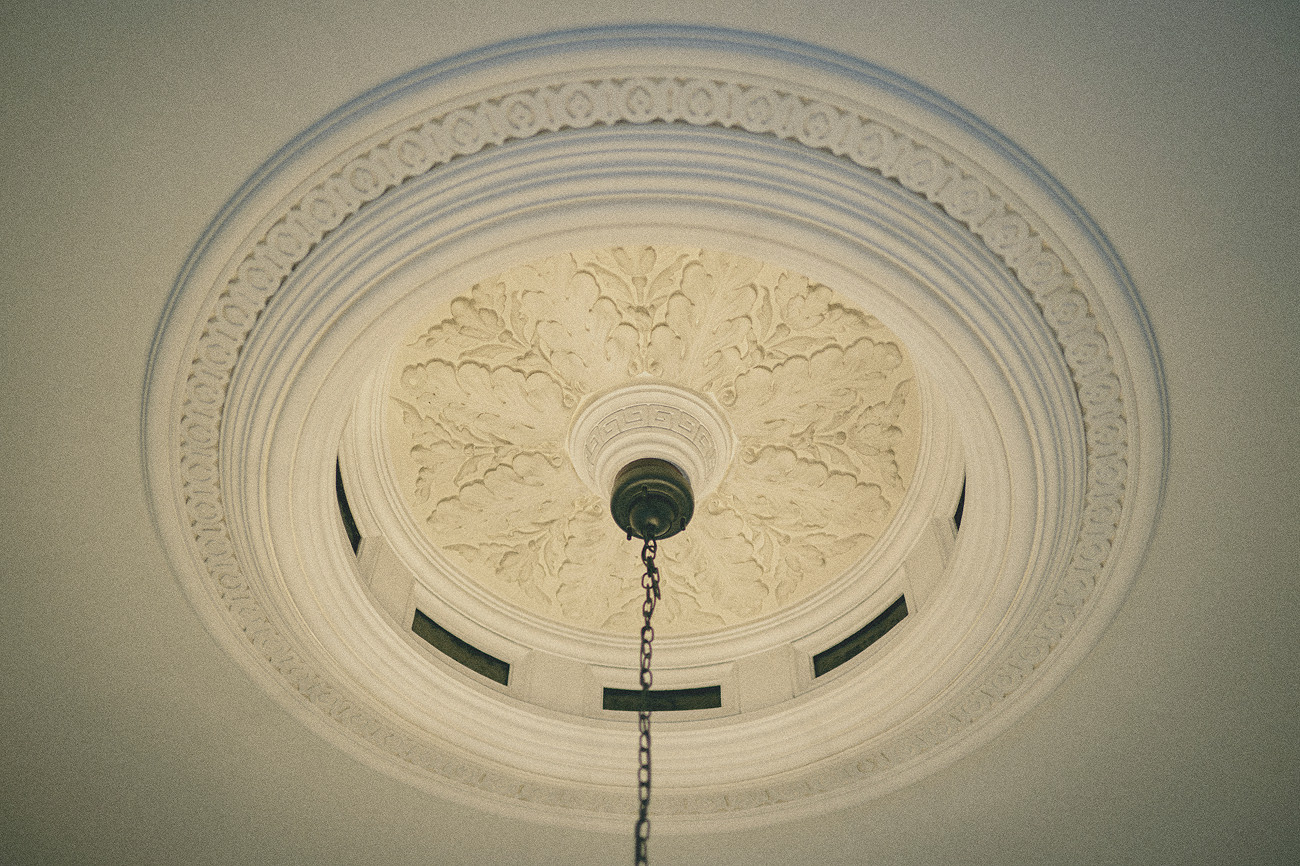
The interior is finished with plaster, adorned with beautiful moldings. Particularly, in the center of the ceiling, there is a circular centerpiece featuring a gigantic acanthus leaf motif, which is not commonly seen in ordinary homes.
There is a Victorian-style fireplace made of marble, with beautiful mosaic and inlaid tiles laid at the base. The floor is made of oak parquet.
The handle of the wooden door leading to the corridor is made of uranium glass, which was popular in the West at the time and glows fluorescent green when exposed to ultraviolet light. Additionally, this door is a sliding door, designed to harmonize with the Japanese-style corridor despite its Western appearance.
Japanese room (main living room) and the essence of traditional beauty
High-quality materials such as Yakusugi (Japanese cedar), Hinoki (Japanese cypress), ebony, rosewood, and keyaki (Japanese zelkova) are abundantly used in the building materials.
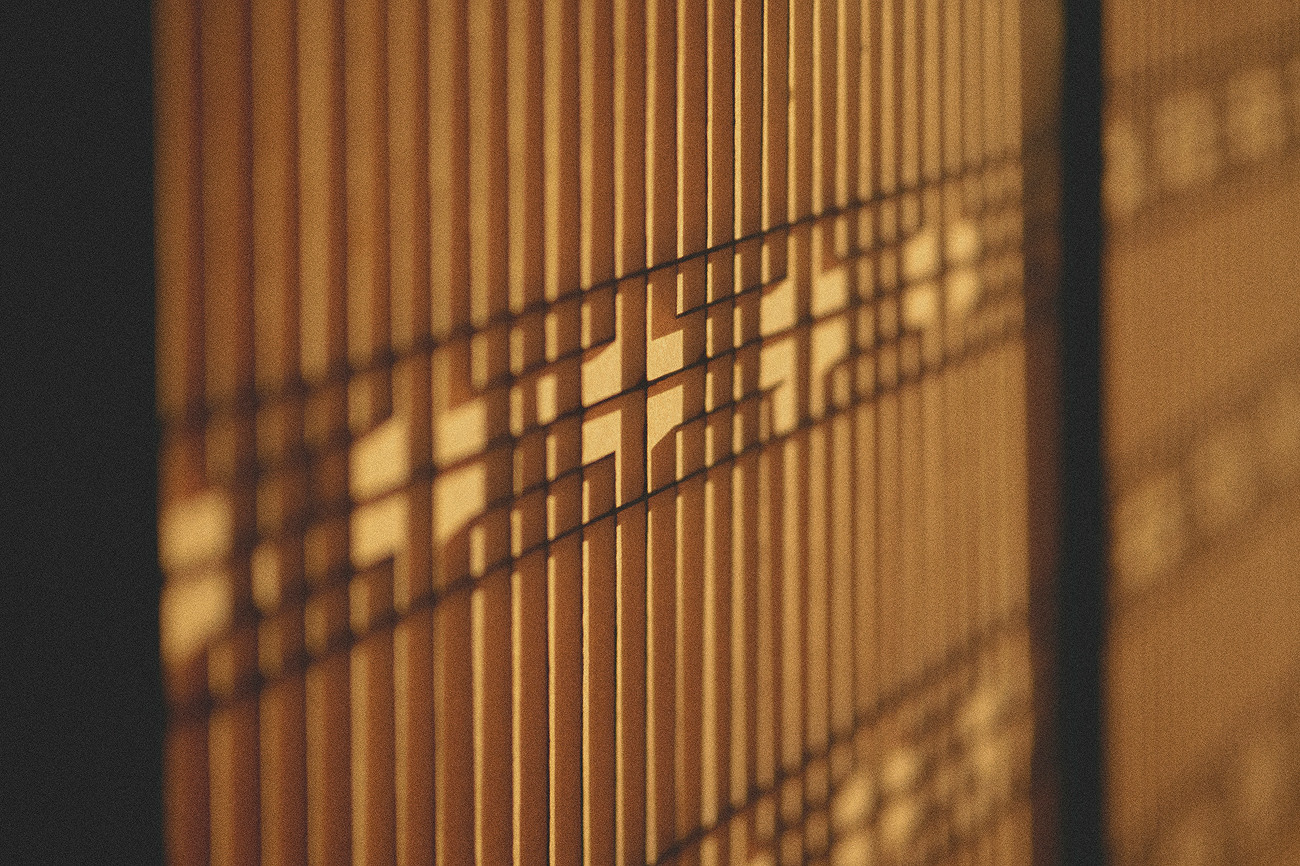
In the main room, one can see the exquisite craftsmanship displayed in the transom featuring a relief carving of a phoenix, as well as a black lacquered transom with seasonal plants intricately carved in a circular pattern.
The room features unique cloisonné handles that differ from one another, as well as decorative nail covers shaped like origami cranes, wild geese, pine trees, and maple leaves, all adorned with stylish and elegant details.
Relationship between cultural properties and guest rooms
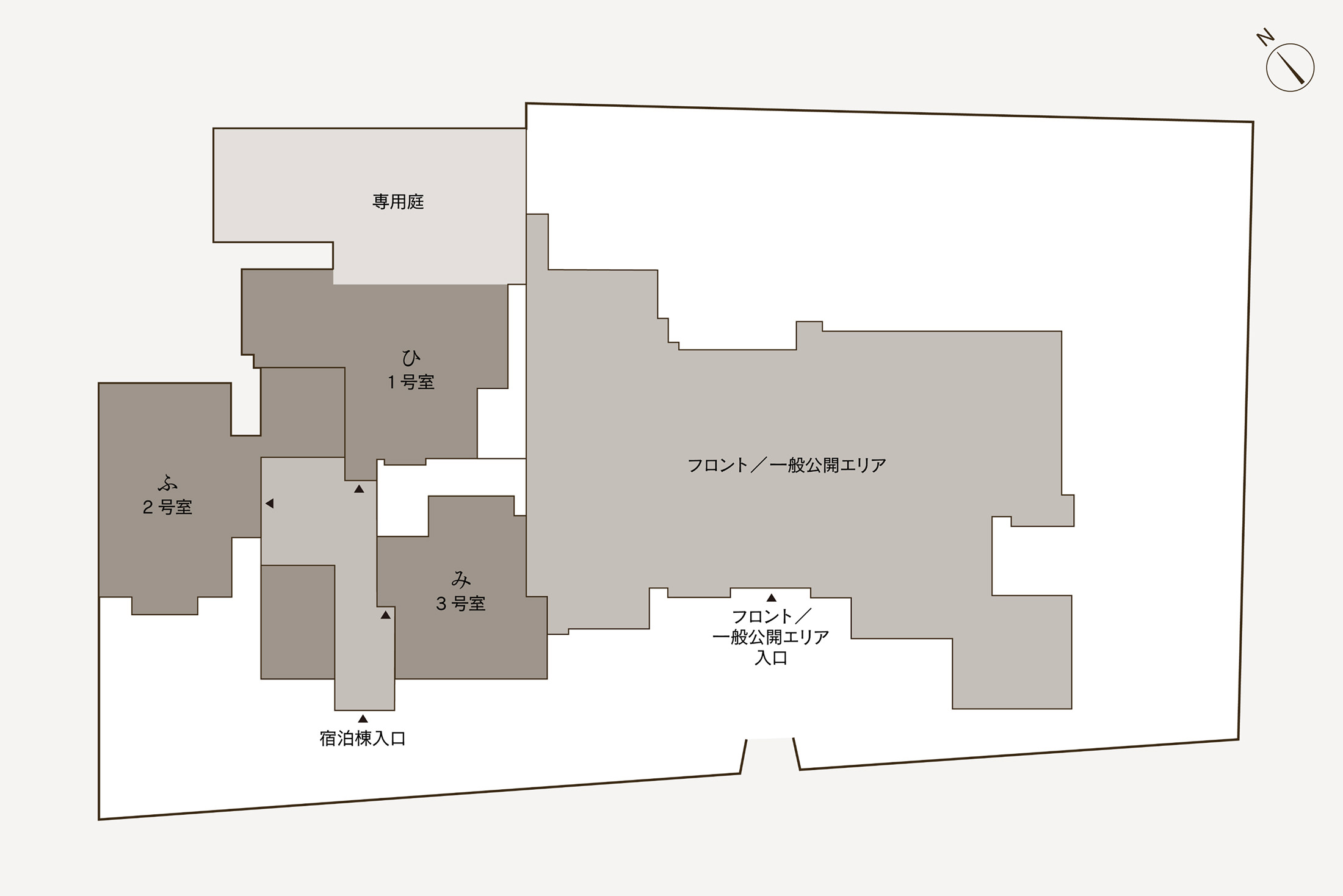
The main building of the National Important Cultural Property, which is an area open to the public, serves as the front desk, and three guest rooms have been created from the Important Cultural Property storehouse and the house of the guardian who has protected the Important Cultural Property.
At the heart of the stay is a direct encounter with the beauty of Hakodate. When the residence closes to the public, the space becomes a private world reserved only for its guests. Japanese and Western architectural beauty shaped over a century is illuminated by the soft glow of Hakodate Bay just beyond the windows. Here, these spaces and views can be savored as if they were your own private garden.
The space has been completed to evoke a sense of history surrounded by heritage filled with the craftsmanship and design of items such as folding screens, framed artworks, and flower vases, which reflect the history and culture of Hakodate, displayed throughout the interior.
Discover more
A special experience that touches the essence of Hakodate
Inheriting ancient traditions while weaving together a new culture.
Once a thriving port town due to the Kitamae-bune trade, Hakodate has a history of opening its port to foreign cultures. Even now, this town has 'connectors' who cherish and protect its history and culture while looking towards the future to create new values.
We have prepared a special time to enjoy the "connections" with such people and buildings. You will touch upon their philosophy and architectural beauty, be amazed by their skills, and be moved by their passion.
To the real Hakodate that cannot be reached through regular tourism.