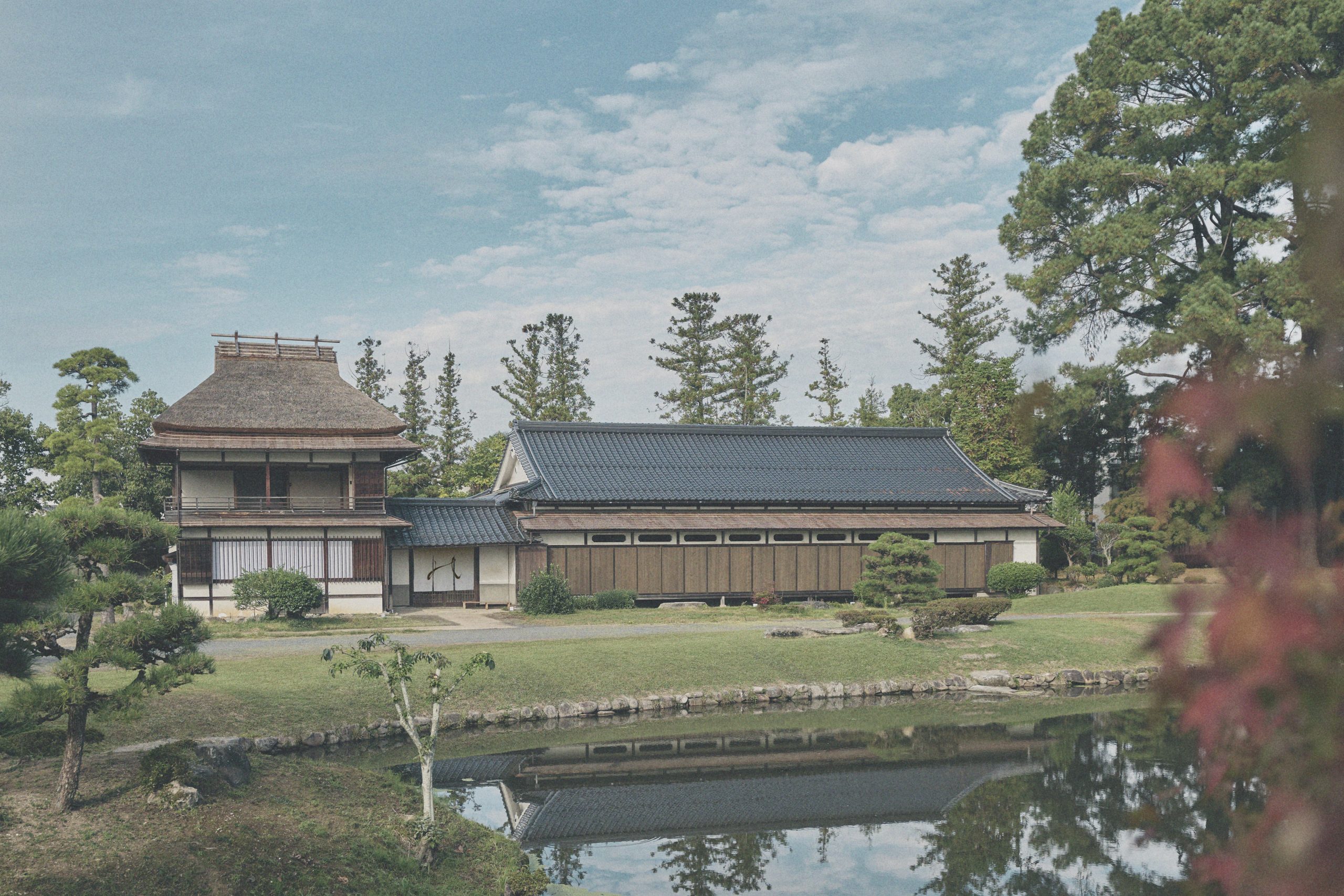
To the land of the Bizen Civilization Enlightenment
Mimasaka, the former name of the northern part of Okayama Prefecture, embraced by the rich mountain ranges of the Chugoku Mountains and blessed with vast plains and the clear waters of the Yoshii River.
Tsuyama, which prospered as its center, is a castle town built by the first lord of the Tsuyama domain, Mori Tadamasa. From the Edo to the Meiji period, it quickly embraced advanced Western knowledge and medicine, becoming a place of enlightenment that bore unique cultural fruits.
In today's society, overwhelmed by excessive information and efficiency, we reinterpret Tsuyama Castle Town as a 'modern place for health and wellness.'
The story of a retreat begins as one immerses themselves in a building deeply etched with history, surrendering to the "intelligence" cultivated by this land and the "source of food" that nourishes life, leading to a refreshing fulfillment of both mind and body.
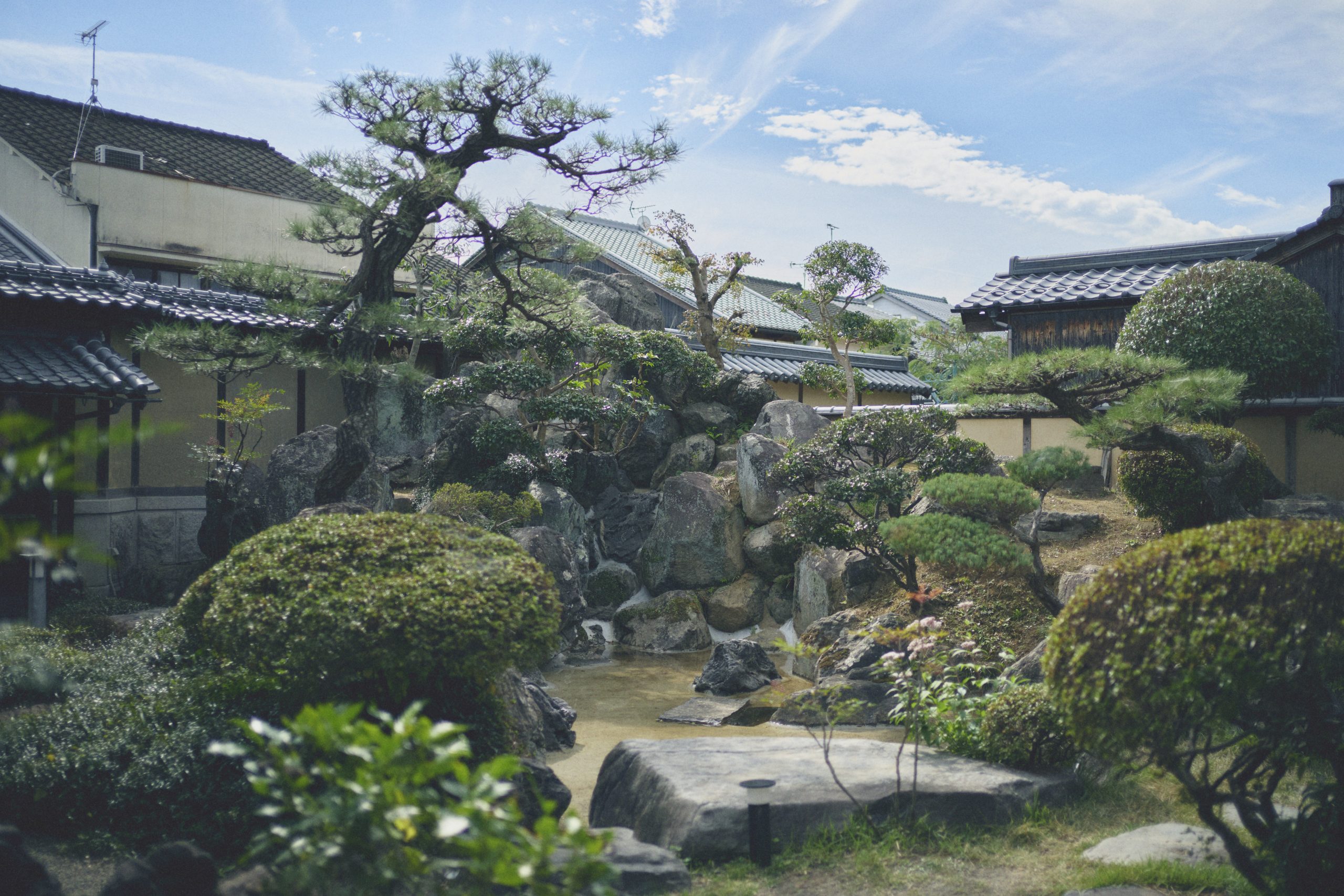
History of Western Learning and Scholarship
During the Edo period, even when Japan was in a state of deep tranquility, Tsuyama was always filled with a free and progressive spirit that sought to explore new and unknown worlds.
Many great Dutch and Western scholars, including the Udagawa and Mitsukuri families, emerged from this area, laying the foundation for modern medicine and science in Japan. The enthusiasm for learning symbolized by the old domain school Kakuzankan is not merely about the accumulation of knowledge, but rather a strong historical pursuit to discern the essence of things, which still breathes life into the foundation of the town.
The stay in the town of Kazeno Tsuyama, which blossomed with Western intellect, is a special time to clarify one's thoughts within the margins of history and awaken forgotten intellectual curiosity.
Taste the source of food
Tsuyama has a history of officially allowing meat consumption as a form of medicine (health food) to cherish the body and nurture vitality, even under the meat-eating prohibition before the Meiji era.
The deep flavors of meat around the bones, such as the offal and Saku beef, and fresh offal. In Tsuyama, meat consumption is not merely a luxury; it is wisdom for people living alongside harsh nature to nurture their strength and a true expression of gratitude for life.
Furthermore, following rice cultivation, there is the nationally valuable double cropping of Sasayama wheat, pure water, and fruits that yield harvests throughout the year.
The blessings nurtured by rich circular agriculture continue to support the food of Tsuyama.