![[Official] Hotel CULTIA Dazaifu](https://www.kazenoheritage.jp/hotels/dazaifu-wedding/wp-content/themes/cultia2019/assets/img/logo_vmg.svg)


History
A crossroads of history and culture, Dazaifu
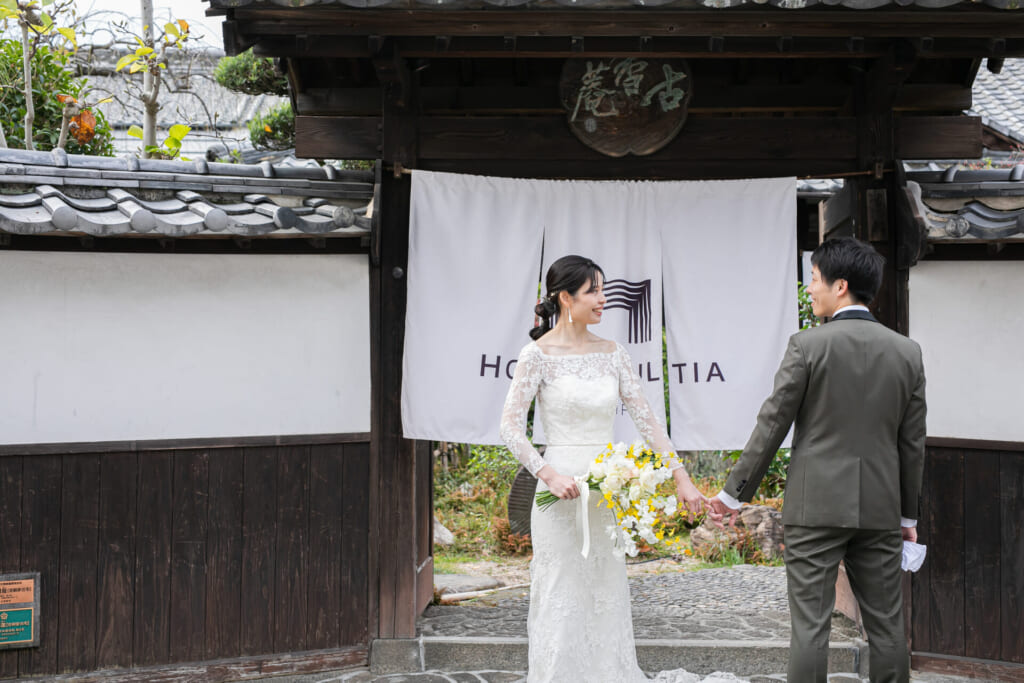
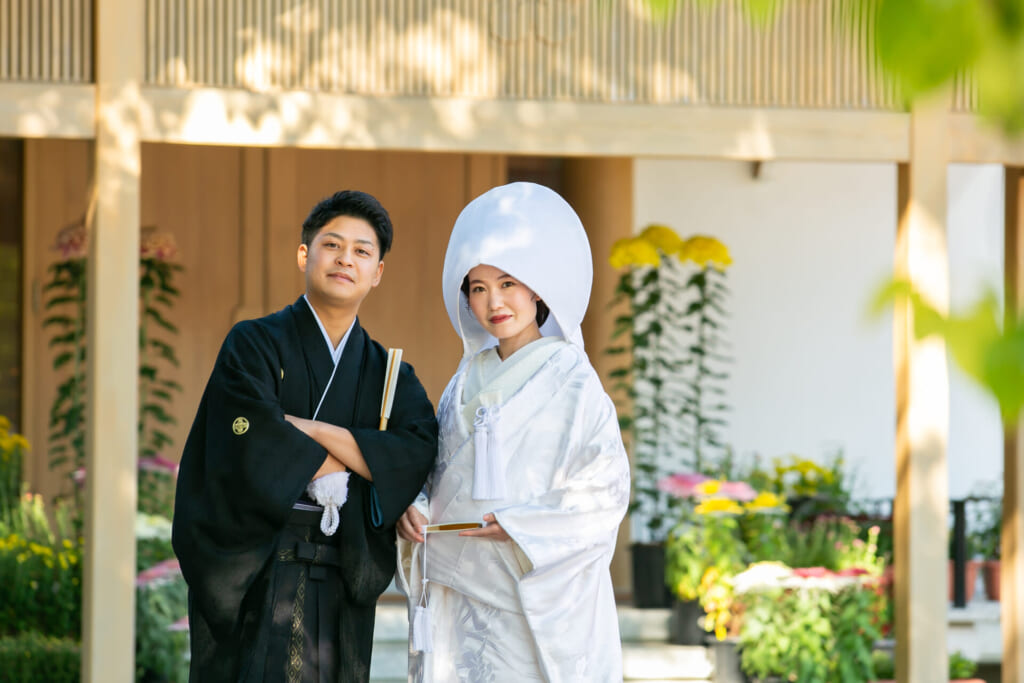
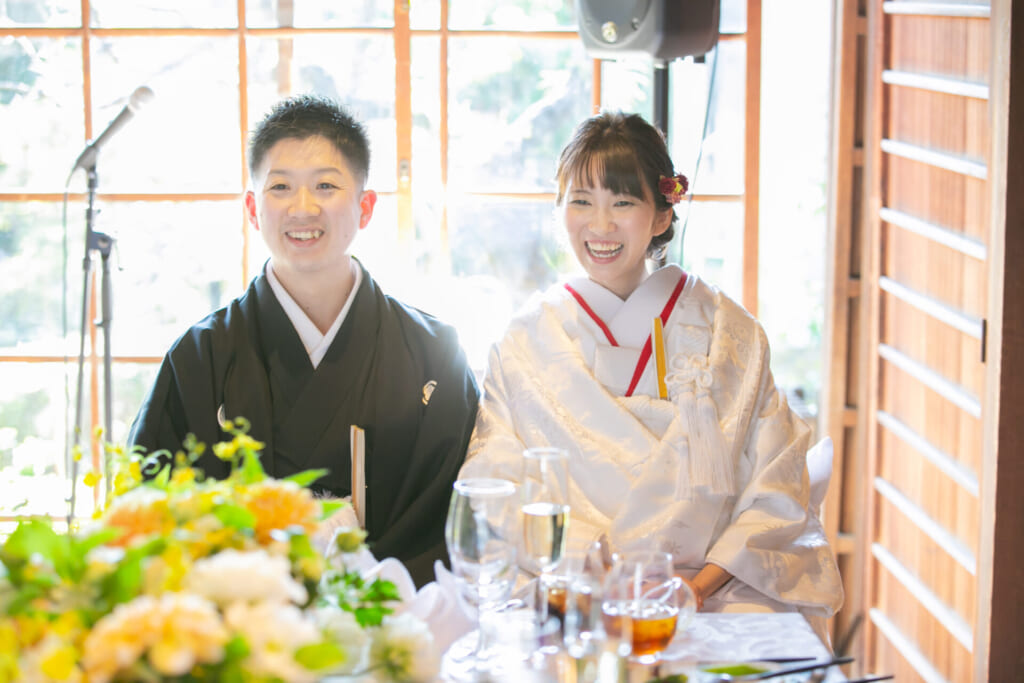
Celebrating the couple's new beginning in a dignified Japanese residence.
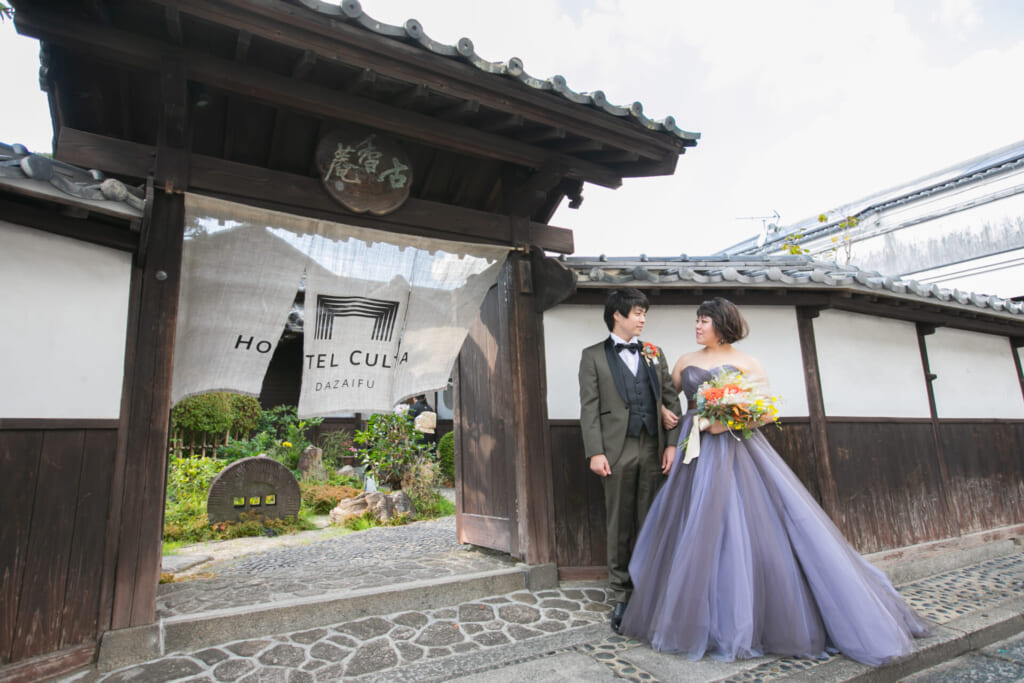
"Hotel CULTIA Dazaifu"
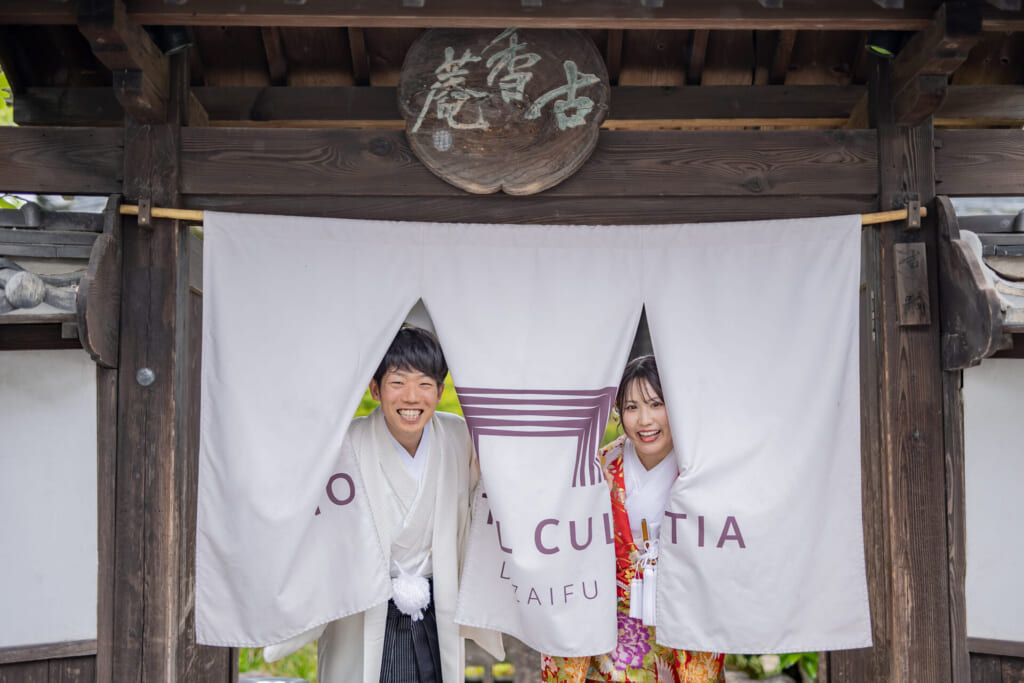
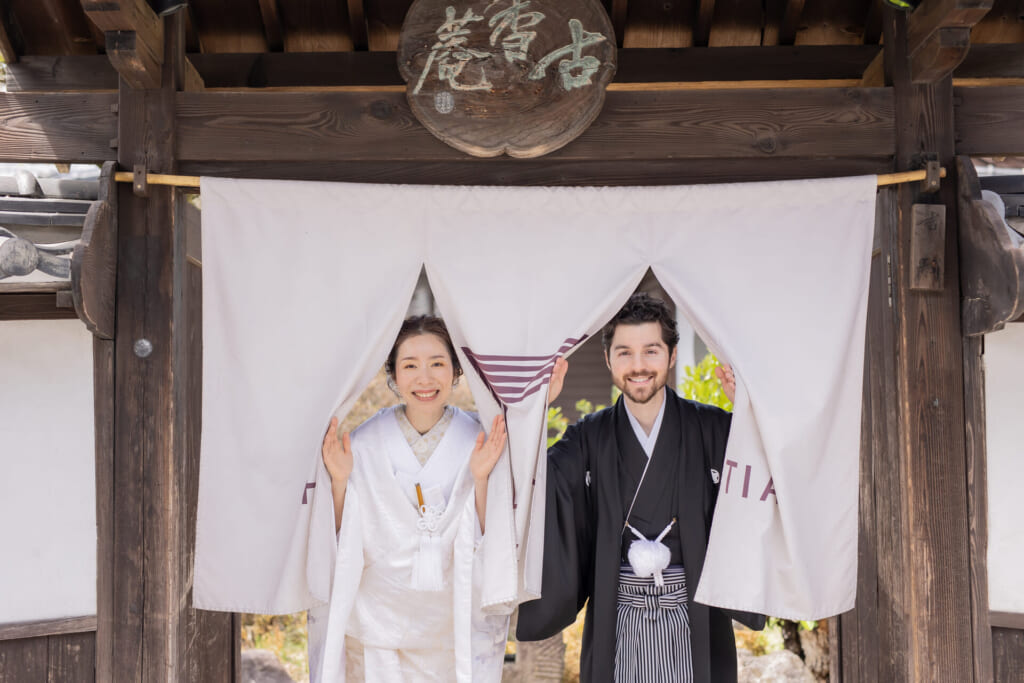
Former Yoshitsugu House (KOKOUAN)
Dazaifu
Dazaifu, established in the late 7th century in the Chikuhi region, which has had exchanges with the continent since ancient times, played an important role in connecting the continent and Japan, quickly exposing the country to cutting-edge technology, culture, and ideas, and spreading them throughout Japan. Thus, history and culture still thrive vividly today.
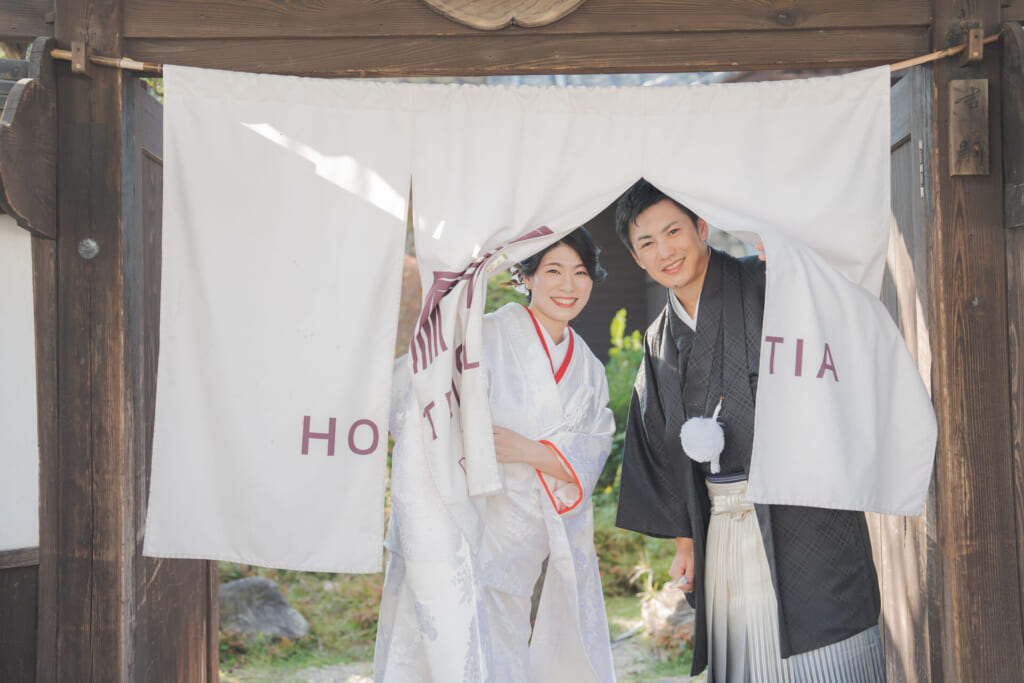
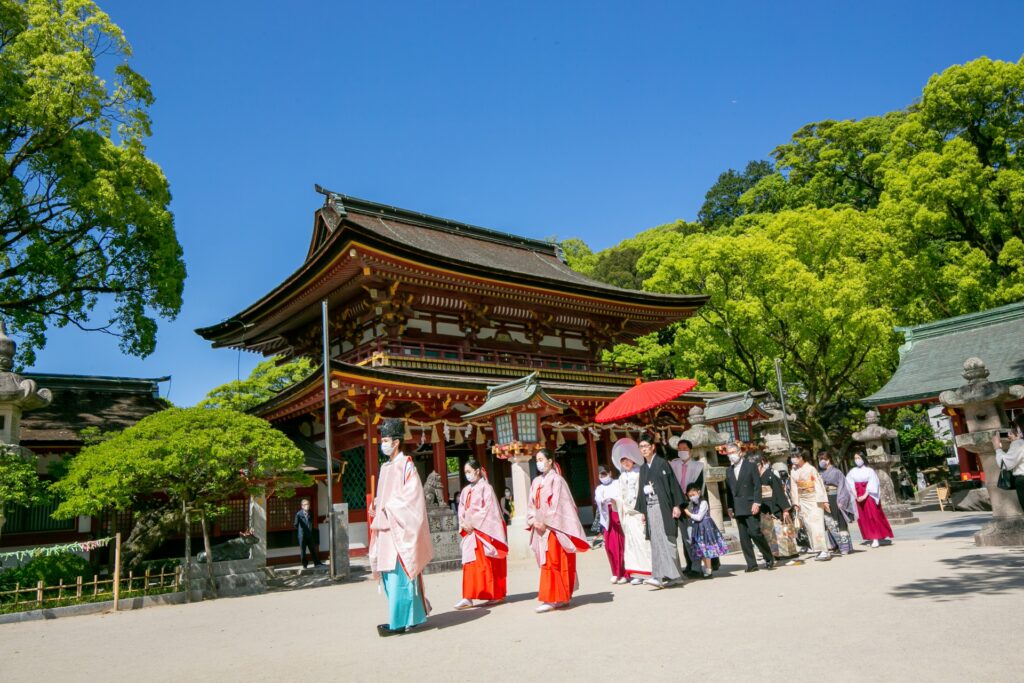
The lives of the people in the town of Dazaifu, which was a crossroads of history and culture, were intertwined with Tenjin-san. Located next to the Dazaifu Tenmangu shrine, which enshrines Sugawara no Michizane, the god of learning, is 'Hotel CULTIA Dazaifu'.
"Hotel CULTIA Dazaifu"
Former Yoshitsugu House (KOKOUAN)
"Hotel CULTIA Dazaifu"
Former Yoshitsugu House (KOKOUAN)
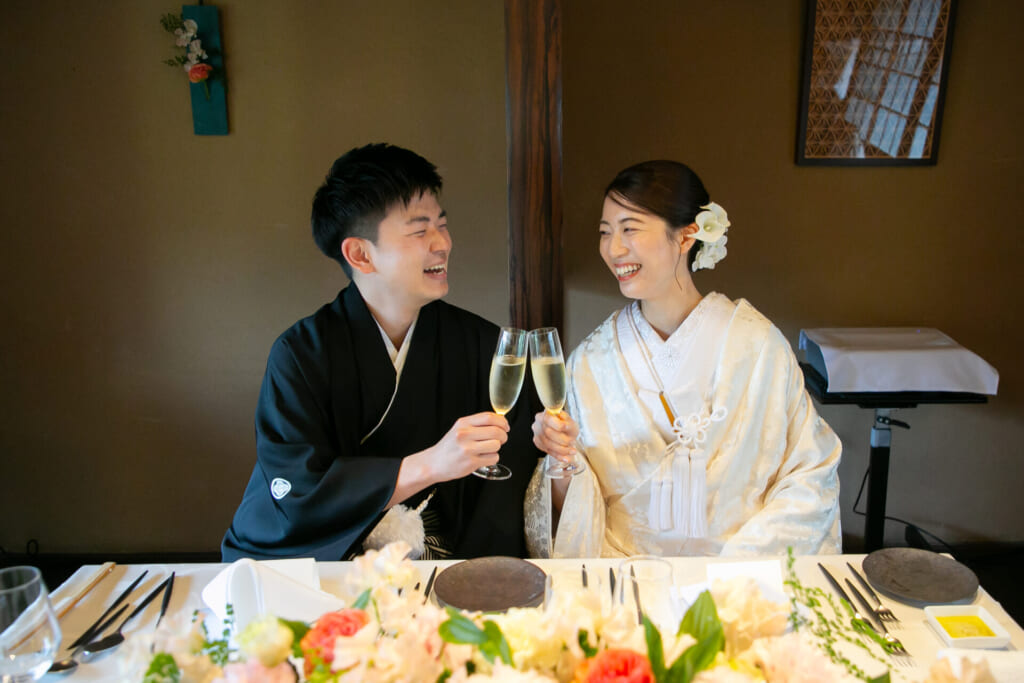
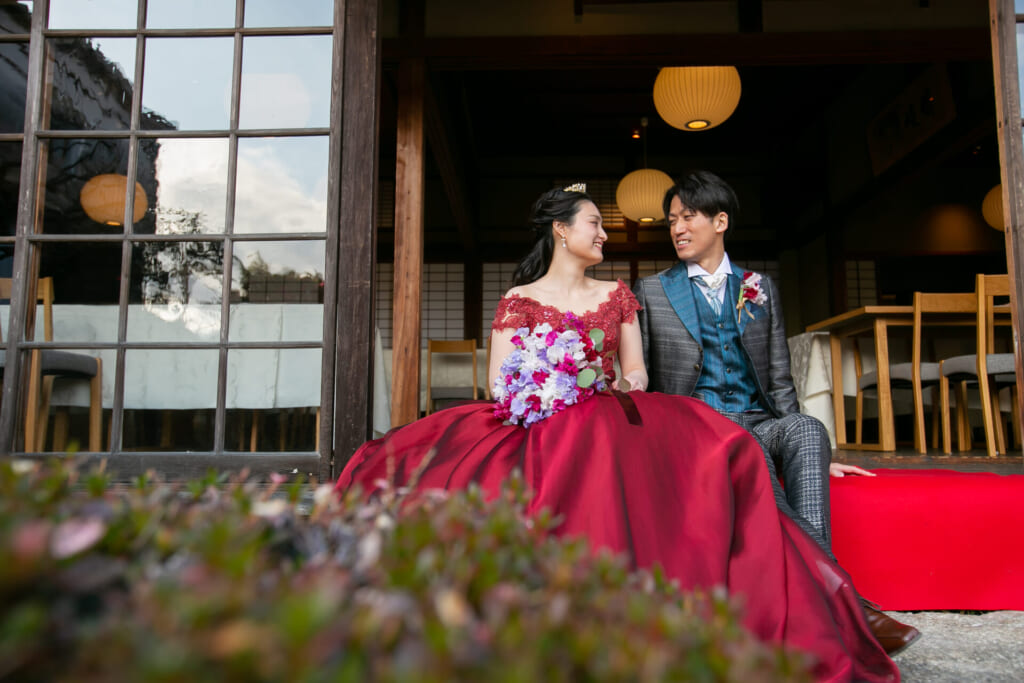
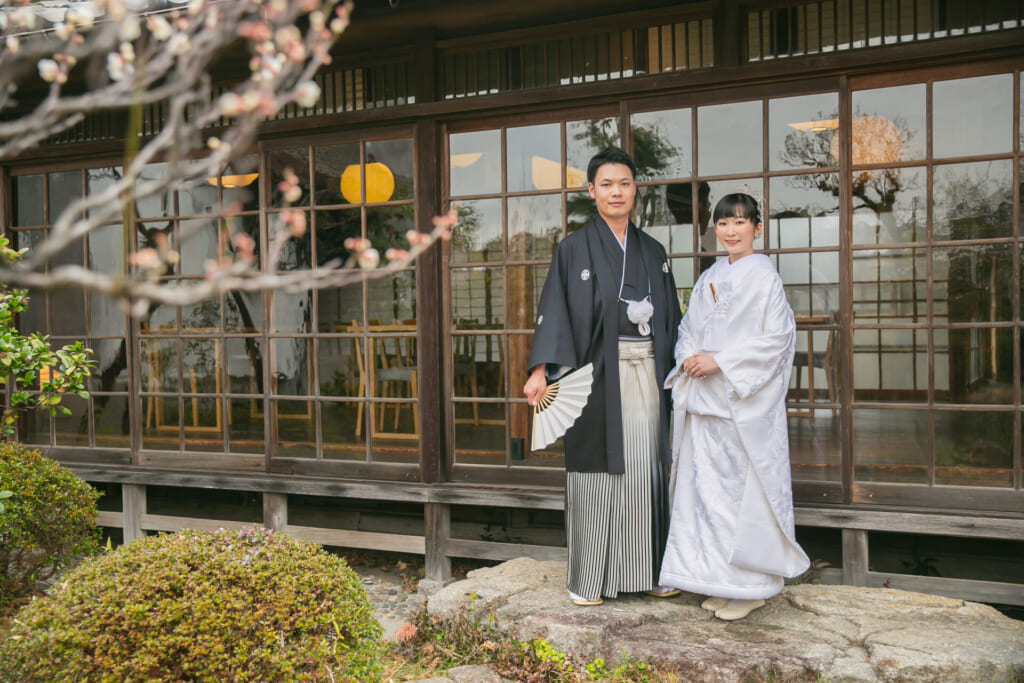
The former residence of the Yoshisuke family, who served as painters for three generations, has been reborn as a venue for weddings.
Born into the Yoshisuke family, who were priests of Dazaifu Tenmangu, and known as a calligrapher in Chikuzen from the late Edo period to the Showa era, Baizen Haizan Kozan. Baizen has anecdotes of receiving generous treatment from court nobles such as Sanjo Sanetomi, who lived in Dazaifu during the political upheaval of the late Edo period.
With the historical background as a painter, the interior features historical assets such as a plaque from Sanjo Sanetomi and calligraphy by Heihachiro Togo, making it a building that retains historical significance. It has been woven into the present era as a valuable structure that impresses the historical charm of Dazaifu Tenmangu.
Preserving the accumulation of time
Renovation that revives the charm of the building
Preserving the accumulation of time
Renovation that revives the charm of the building
We value restoring the charm and atmosphere of the era when the buildings shone the most, and we prioritize "preserving the goodness of the old residences as they are." The soot-stained walls and ceilings, earthen walls, ceiling boards, and pillars. Rather than making everything new and clean, we strive to retain as much of the building's history as possible, even in areas that may be seen as aging.
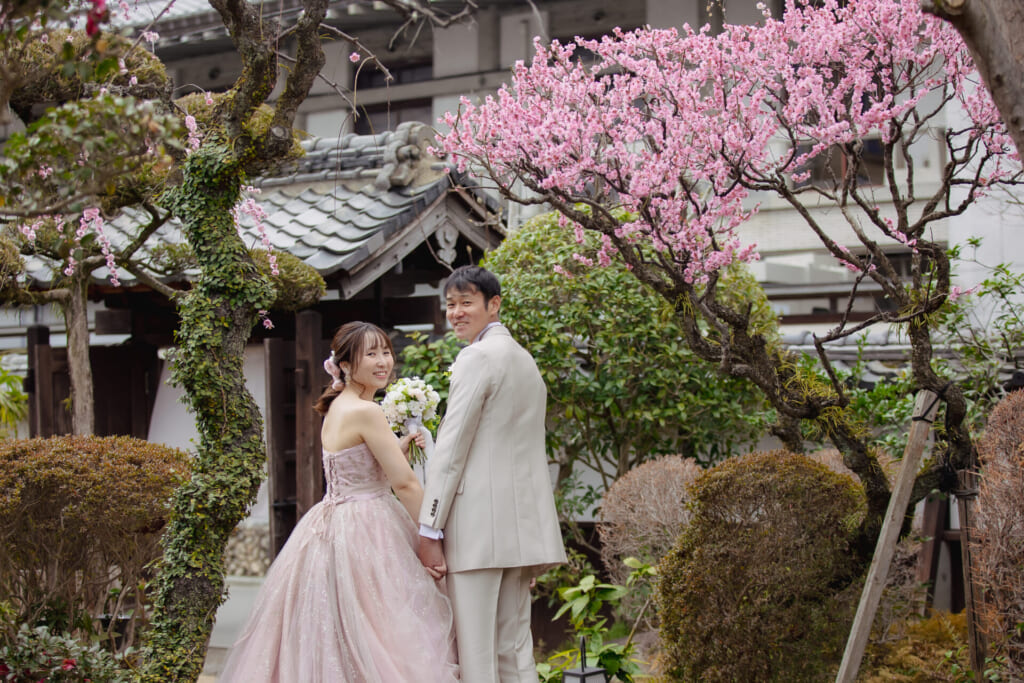
When you find yourself in an old Japanese residence, you might feel a sense of nostalgia or a calming presence; this may be because you are unconsciously sensing the accumulation of time. The windows, tatami, earthen floors, engawa, fittings, and Japanese gardens all embody the spirit that the Japanese have cherished, conveying the local history and climate to the present.