Japanese Incense Ceremony with Flowers and Tea
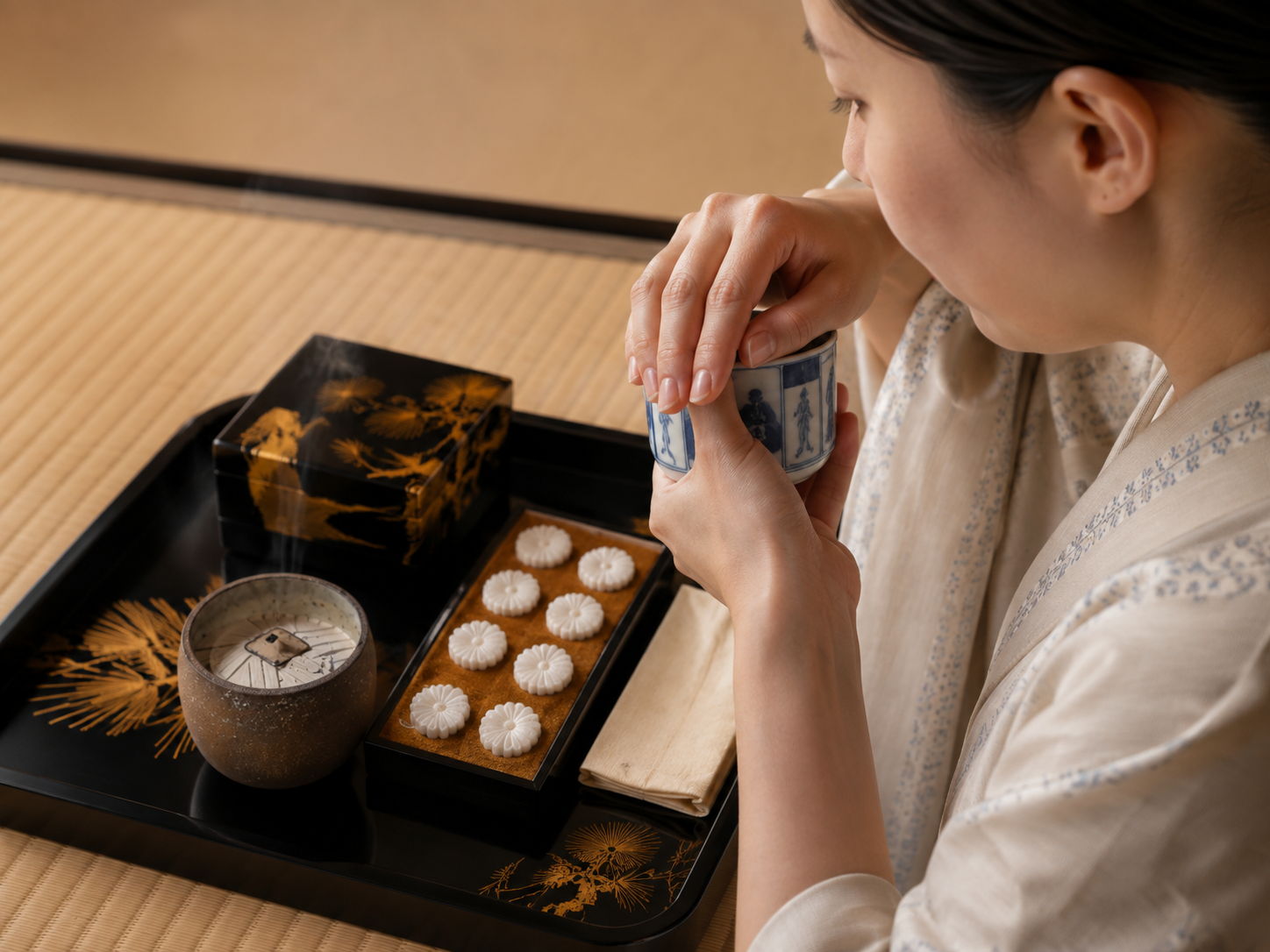
Focus your awareness on the fragrance quietly rising from the aromatic wood, arrange seasonal flowers, and savor a cup of tea that you have prepared yourself. We have prepared a private cultural experience that allows you to touch upon the world of "fragrance, flowers, and tea" that has been passed down in Japan during your stay in Higashiyama, Kyoto.
The centerpiece of this experience is Kodo, one of Japan's traditional arts. In Kodo, the act of perceiving fragrance is expressed as "listening" rather than "smelling." It is not just about pursuing the fragrance itself, but calming the mind and sensing the seasons and scenes that lie beneath it. This sensation is also connected to gazing at the form of flowers and the spaces around them, as well as preparing and savoring a cup of tea.
In this experience, we welcome Ms. Miki Takeuchi, a teacher of the Kodo Sanpin Daie School and a flower arrangement artist, to trace the aesthetic consciousness of Japanese culture through a flow from seasonal flowers to aromatic wood and then to tea.
This is approximately 120 minutes of quietly tuning into your own senses, taking a little distance from everyday life.
The Three Types of Incense Way, Ooe School (Mishina Ooe Ryu)
Kōdō Sanpin Ōeda-ryū is a school of incense appreciation that inherits the lineage of 'Ōeda-ryū' transmitted during the Edo period and was revived by the current head, Akira Sanpin. In Kōdō Sanpin Ōeda-ryū, incense appreciation is not merely about enjoying the fragrance of aromatic woods; it is viewed as a 'comprehensive art' that connects various elements of Japanese culture, such as waka poetry, calligraphy, flowers, tea, and seasonal events. The philosophy of the school emphasizes understanding the background and principles of Japanese culture rather than merely aligning prescribed movements uniformly, aiming for 'elegant, refined, and more sophisticated expressions' while utilizing each individual's sensibility.
Instructor
Ikebana artist Miki Takeuchi
While serving as a lecturer in the Kōdō Sanpin Daishi school, they are also involved in various events with top flower artists both domestically and internationally. In 2016, they won the national grand prize at the Fuji TV Flower Net "Japan Flower Professional Cup," showcasing their broad activities in the world of flowers. It is precisely because Mr. Takeuchi deeply understands both incense and flowers that the time spent arranging flowers, enjoying scents, and tasting tea is not an independent experience but rather a connected story.
Flow of experience
1|Arrange seasonal flowers and prepare the space
Mr. Takeuchi will talk about the experiences of the day, starting with the incense ceremony. After that, participants will experience 'nageire' using seasonal flowers. While being aware of the direction of the flowers and the surrounding space, they will prepare an area for experiencing scents.
2|Know the World of Incense and Incense Woods
We will learn about the history of incense culture and the concept of 'listening to fragrance.' We will also introduce the characteristics of aromatic woods as plants, their origins, the process through which their scents develop over a long period, and the challenges involved in harvesting them.
3|Incense Listening and Blending Experience
You will listen to three types of fragrant woods in order and memorize their scents. While perceiving each of their characteristics, you will challenge yourself in a game format to determine whether the scents are the same or different.
4|Making matcha by oneself・Seasonal sweets
In the end, you will prepare the matcha yourself. While savoring the lingering scents of the flowers and fragrant woods, you will enjoy seasonal sweets and conclude the experience.
Features of the activity
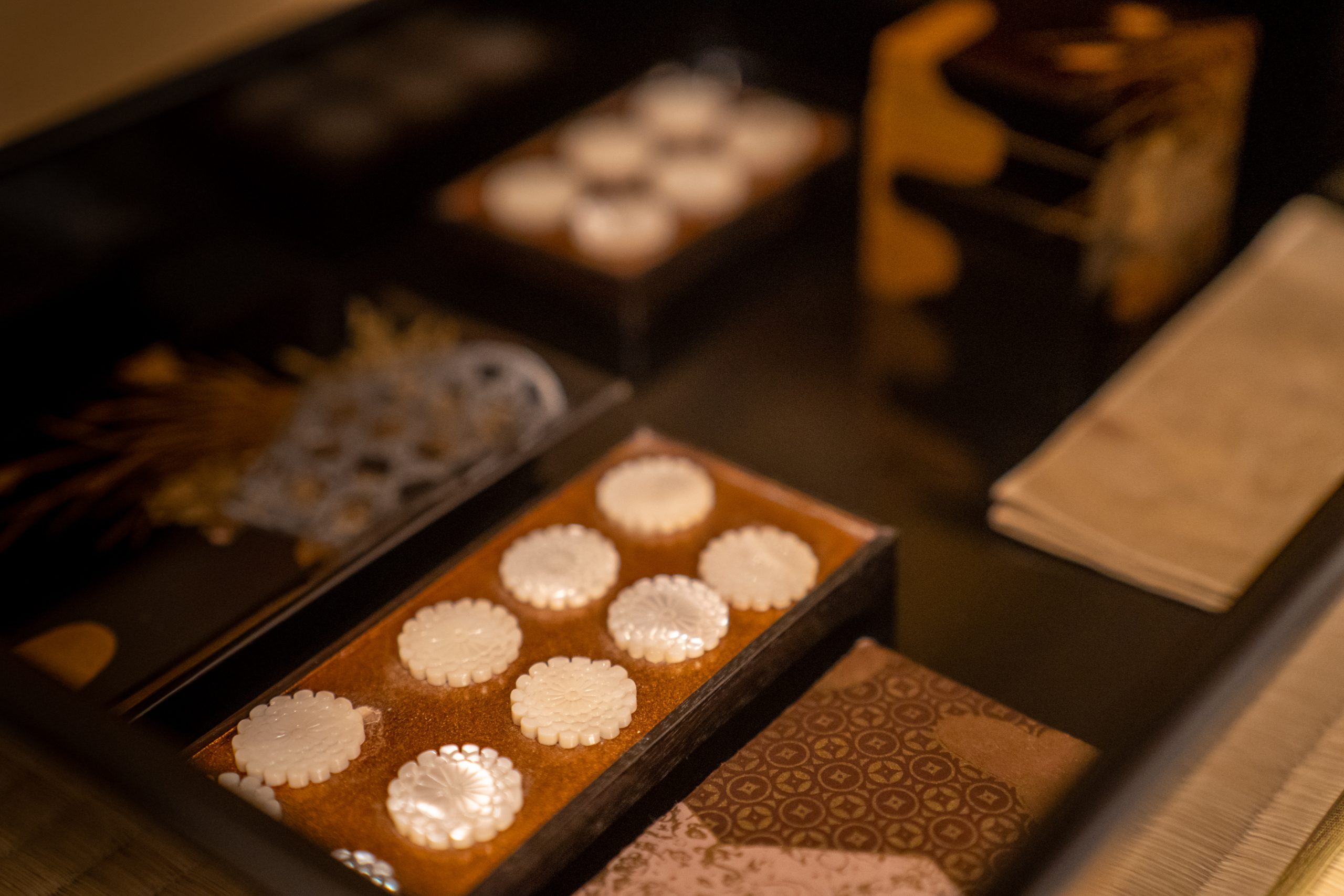
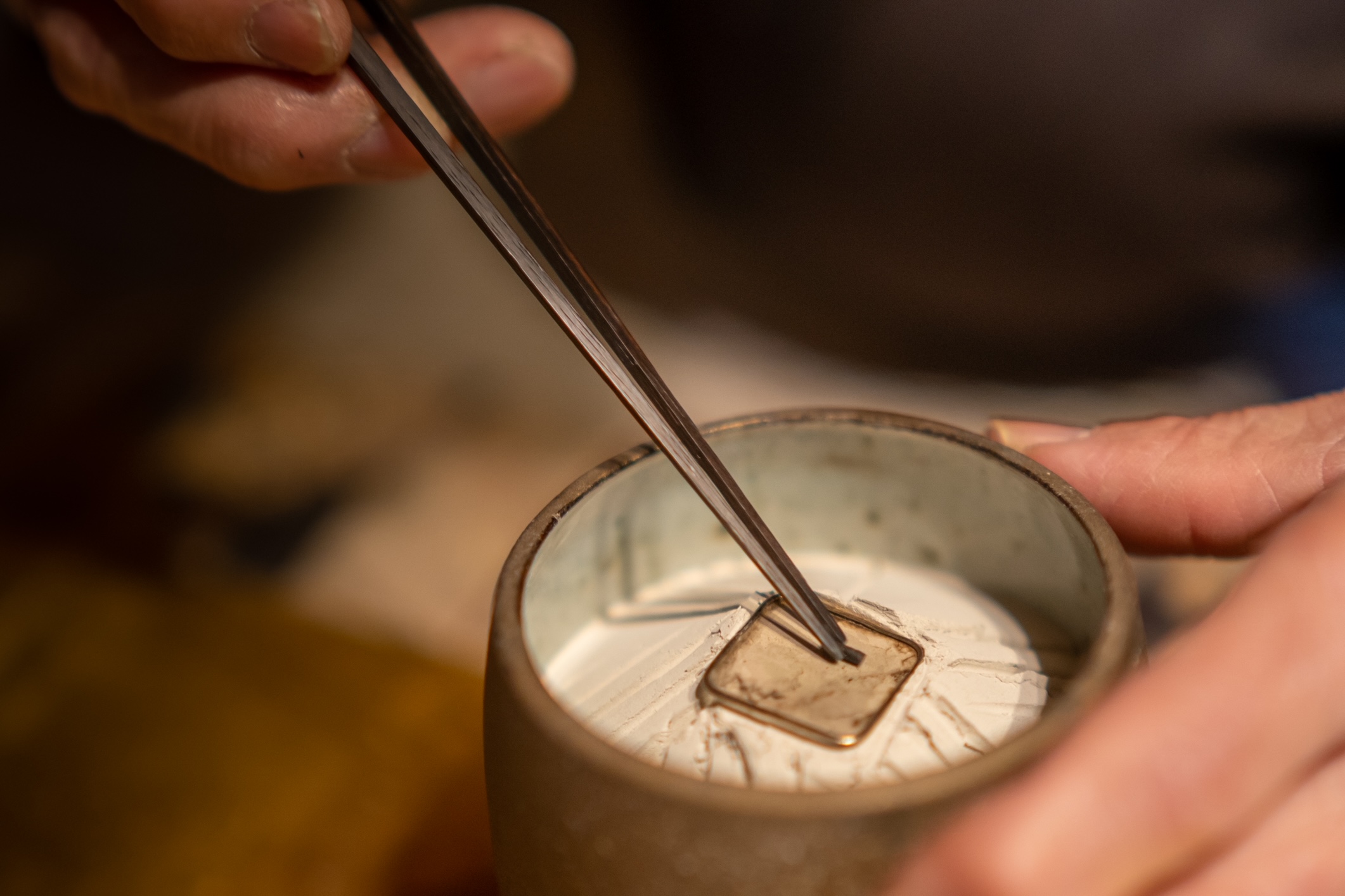

Listen to the fragrance, remember it, and play
The deep yet approachable world of incense
At the center of this experience is the traditional culture of "Kōdō," which has been passed down in Japan alongside Ikebana and the Tea Ceremony. In Kōdō, the act of smelling a fragrance is expressed as "listening" to it. The experience begins with a talk by Ms. Miki Takeuchi, an instructor from the Sanpin Daie School of Kōdō, about the history, philosophy, and aromatic woods of Kōdō.
From what kind of plants do aromatic woods originate? Why does a single piece of wood harbor such complex fragrances? By understanding the rarity of aromatic woods that are born over long periods and the difficulties of harvesting them, the world hidden within a small piece of aromatic wood gradually comes to life.
After that, participants will actually "listen" to three types of aromatic woods, memorizing the scents and thinking about the answers in a listening session. Kōdō includes a game called "Kumikō," where participants distinguish and guess combinations of fragrances, and the culture of enjoying scents while incorporating elements of stories and games, like "Keiba Kō," has also been passed down.
At first, the fragrances may seem similar, but as one becomes more aware, each scent reveals its unique character. This Kōdō experience allows even first-timers to naturally become engrossed by feeling, remembering, and imagining, rather than competing on knowledge.
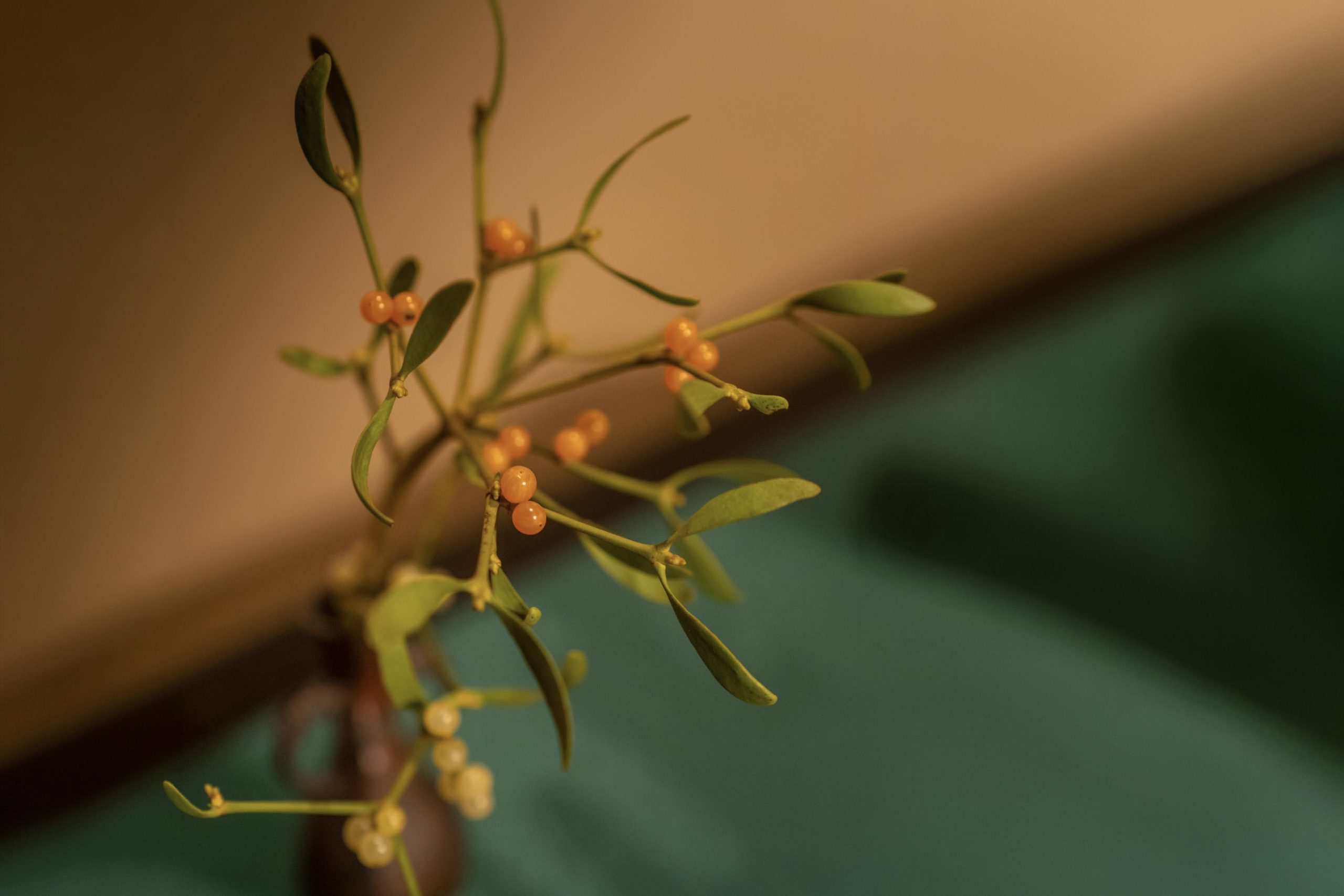
Arranging seasonal flowers and setting up a fragrance space
Learning from specialists in flowers and scents
Before experiencing the fragrance, you will try your hand at nageire (a style of flower arrangement using seasonal flowers). The instructor, Ms. Miki Takeuchi, is a teacher of the Sampo Daie school of Kodo and also a successful "Ikebana artist" who won the national overall first place and Grand Prix at the 2016 "Fuji TV Flower Net Japan Flower Professional Cup."
What you will learn here is not the difficult forms of Ikebana. Instead, you will face a single flower with your own sensibility while learning concepts that can be incorporated into daily life, such as the direction of the flowers, negative space, and balance with the container.
The flowers you arrange will create a space for the Kodo that follows. By preparing the space yourself and then experiencing the fragrance, you will be able to feel the sense of season and aesthetic consciousness that underlies Japanese culture as a continuous experience.
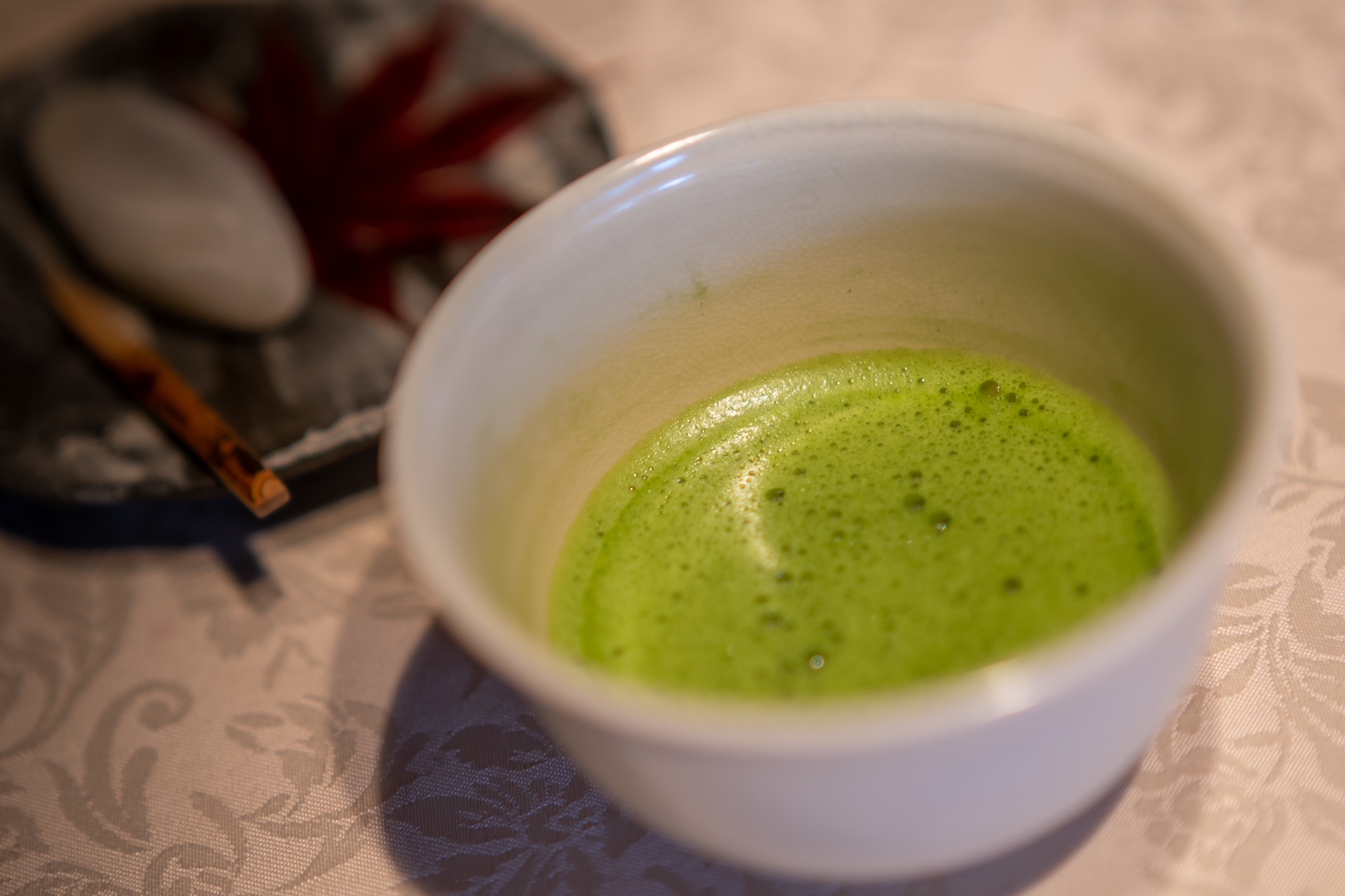
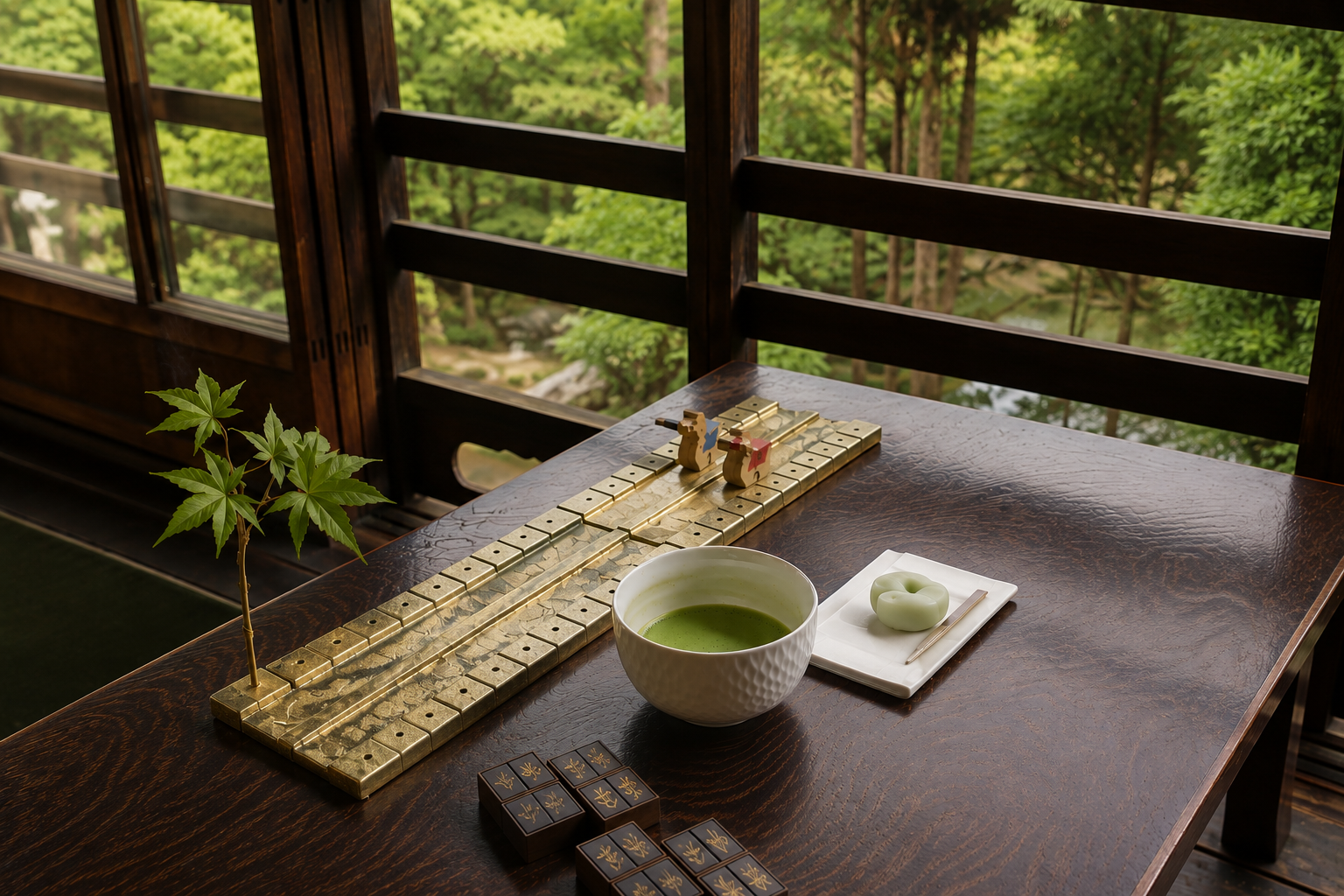
Arranging flowers, smelling the fragrance, and preparing tea
The Japanese aesthetic consciousness connected through the five senses
After finishing the incense ceremony, it's time for tea. You take the tea whisk in your hand, prepare a bowl of matcha, and enjoy it with seasonal sweets. In front of you are the flowers you arranged yourself, and the lingering scent of the incense wood you just experienced fills the space. By preparing and tasting the tea in this environment, the three cultures of flower arrangement, incense, and tea ceremony connect as one experience.
Looking at the flowers, listening to the fragrance, and tasting the tea. What is common to all of these is the awareness of the small changes in the seasons and nature, and the sharpening of one's own senses. Rather than solely aiming to memorize the etiquette and knowledge, you will engage in hands-on activities, feel the scents, and taste, allowing you to touch upon the aesthetic consciousness of Japanese culture.
Overview
- Operating periodYear-round
※Please contact us at least 7 days before the desired experience date as a general rule.
※This activity is available by request. We will confirm the feasibility after your application and notify you of the reservation confirmation. - required timeApproximately 120 minutes
- capacityFrom 2 people
※If you wish to experience with 1 person, we will accept it at the price for 2 people. - fee1 person 25,000 yen (tax included)
*Minimum required fee: 50,000 yen (tax included) - What is included in the fee・Instructor fee
・Kodo and incense listening experience
・Tools and materials necessary for the experience, such as incense wood and incense burner
・Ikebana experience using seasonal flowers
・Matcha experience
・Seasonal sweets
・Vase - implementation locationInside The Villa Higashiyama Roji Kazeno Heritage
- Language supportJapanese
※English interpretation option: 10,000 yen (tax included) - Clothing and Important Notes・To enjoy the delicate aroma of the fragrant wood, please refrain from using perfumes, strongly scented hair products, or cosmetics.
・During the experience, you may be asked to remove jewelry such as rings, earrings, and necklaces.
・The incense burner uses fire. Please follow the instructor's guidance during the experience.
・The tools used in the experience are very delicate. Please handle them with care.
・For participation of children, please inquire in advance.
・The experience may not be conducted due to unavoidable circumstances such as the instructor's availability.