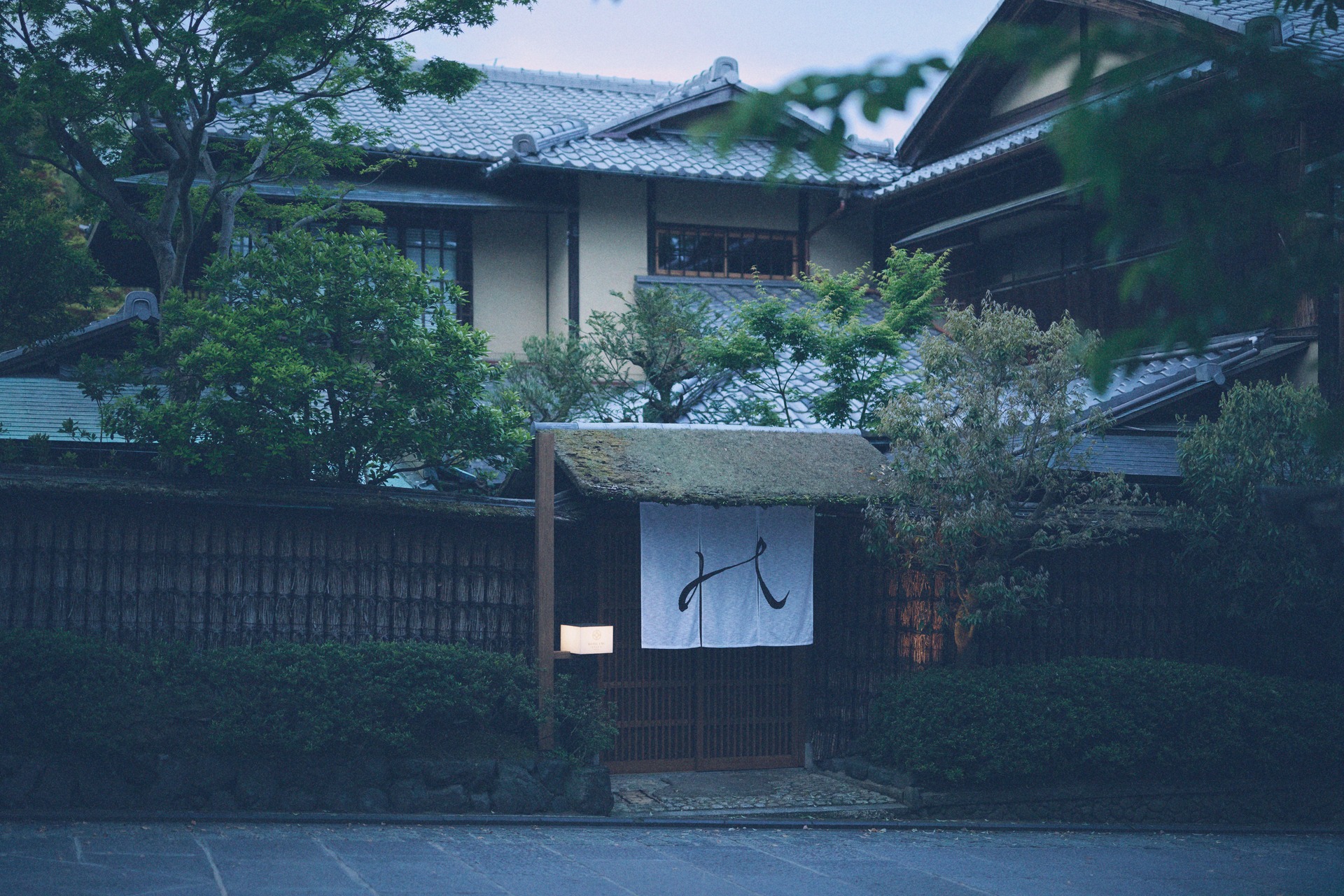
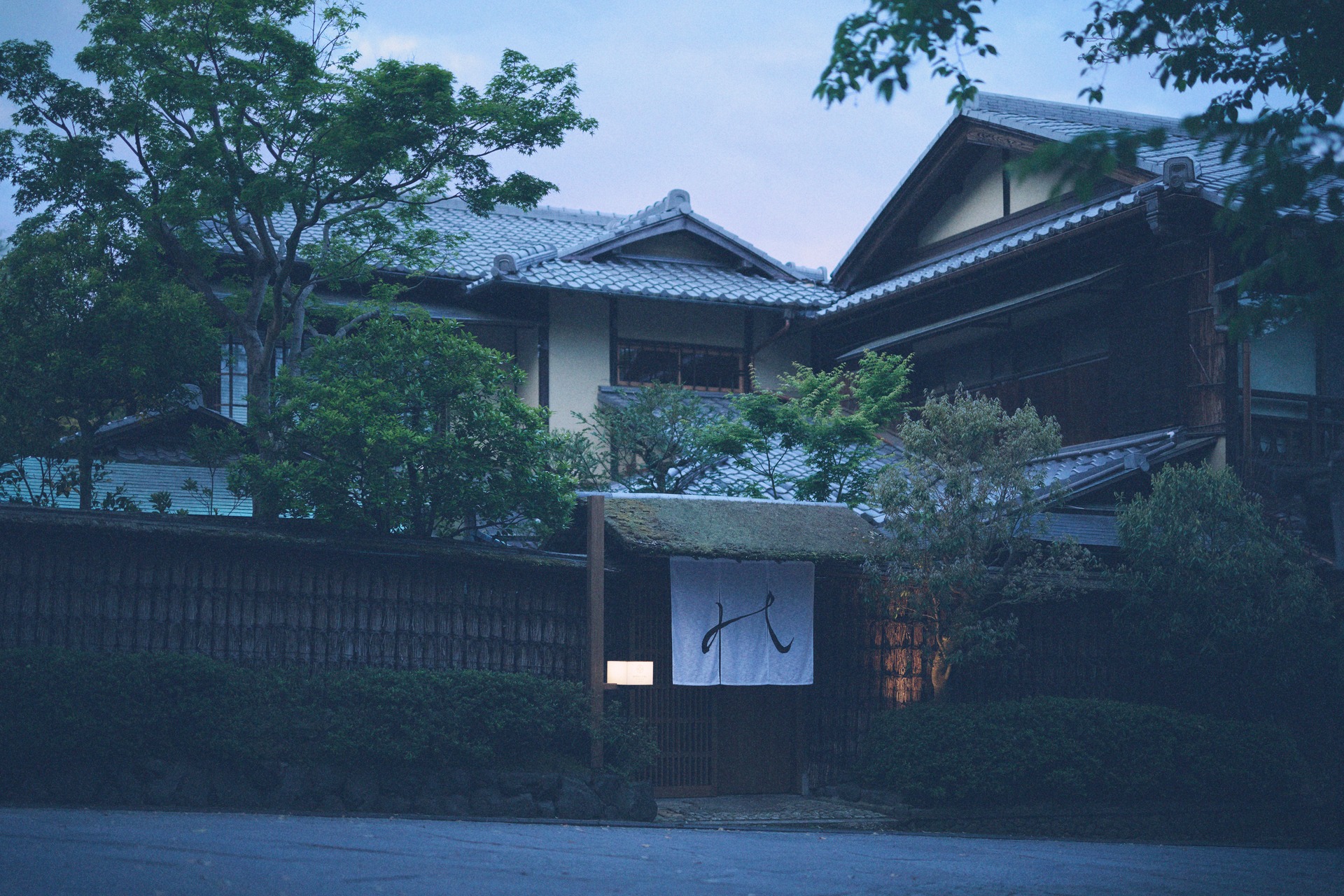
Higashiyama Saryo, a heritage villa located in a quiet alley of the Sanneizaka Traditional Building Preservation District, between Yasaka Shrine and Kodaiji Temple in Higashiyama, Kyoto. This approximately 120-year-old tea house, originally a private residence where tea practitioners of the Enshu school hosted cultural figures for tea ceremonies, has been transformed into a luxurious stay limited to one group per day.
From the cobblestone streets
to the tranquility of the alleys
The Villa Higashiyama Roji Kazeno Heritage is located in Higashiyama, where representative temples and shrines of Kyoto, such as Yasaka Shrine, Kodaiji Temple, Hokanji Temple, and Kiyomizu Temple, are gathered. It is a place where traditional stone pavements and townhouses line the streets, preserving the beautiful original landscape of Kyoto that has been nurtured over a long period.
The pilgrimage path leading to the temples and shrines has long been lined with tea shops, restaurants, and stores selling crafts, welcoming travelers and cultural figures. With lattice doors, stone walls, earthen walls, and noren curtains swaying at the eaves, there exists a quiet way of life that the people of Kyoto have cherished alongside the vibrant attractions.
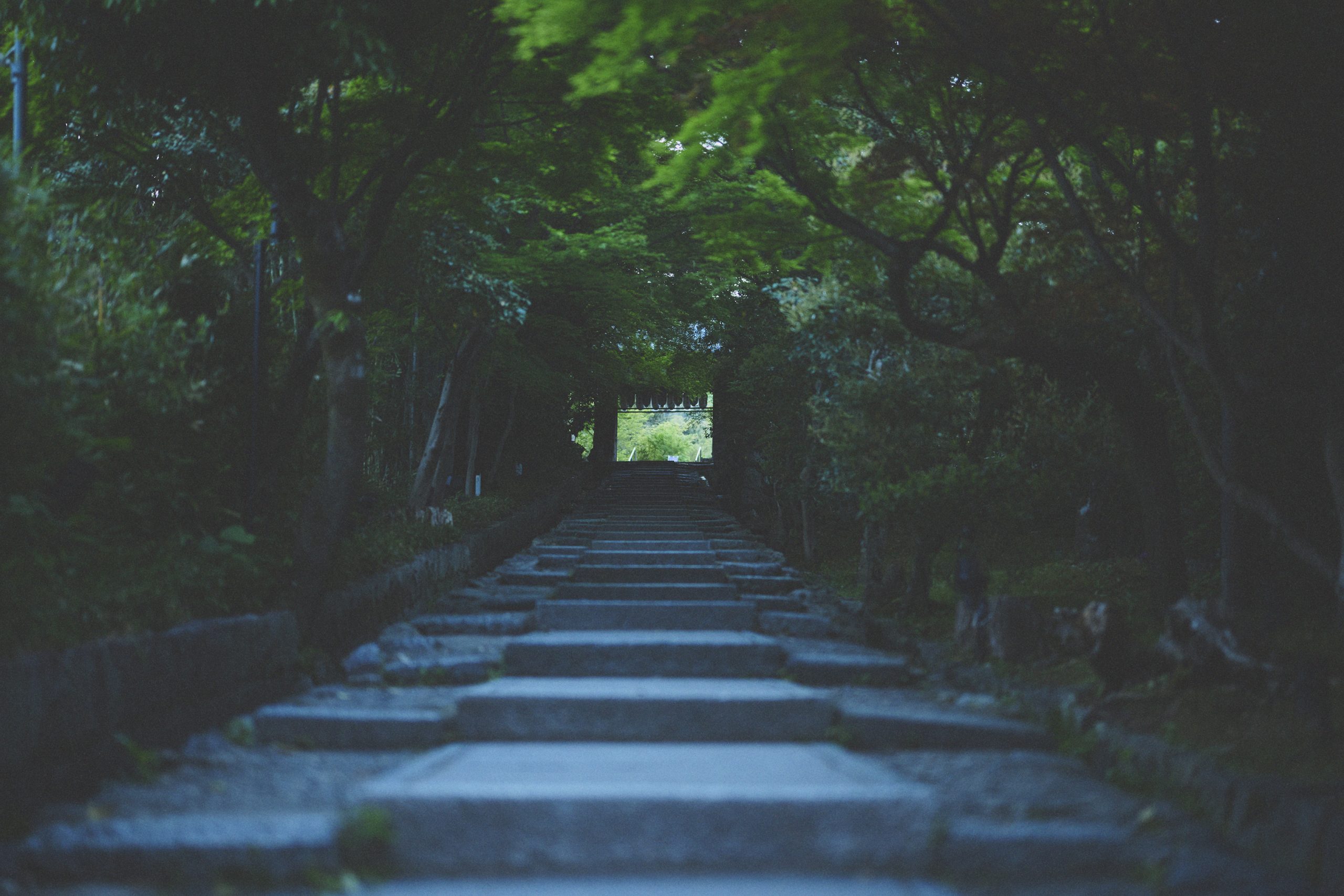
Entering a narrow alley from the bustling streets, and passing through a hidden gate, the air quietly changes. The moment spent stepping over the stones and moving between the trees serves as a time to shift one's heart from the outside world to the private space of tea ceremony. Even though it is located in the center of Higashiyama, a stay begins that seems to hide itself in deep tranquility.
The connoisseur, Goichi Uno, built
"Higashiyama Saryo"
The predecessor of Higashiyama Roji is said to be the 'Higashiyama Tea House,' built around 1904 by the tea master Ueno Goichi of the Enshu school for the purpose of holding tea gatherings. Ueno Goichi was the owner of the renowned kaiseki restaurant 'Sakai Uro,' which was once considered the best in Osaka, and he was also a connoisseur with deep knowledge in tea ceremony, architecture, gardens, cuisine, and crafts.
A 'suki-sha' is not merely a person who enjoys tea, but someone who perceives architecture, gardens, utensils, flowers, and cuisine as part of a single world, creating space and time through their own aesthetic sensibility. It is said that Uno invited tea practitioners and cultural figures from Kyoto to this residence, engaging in exchanges through tea gatherings.
The four-and-a-half tatami mat tea room, the roji garden, the Japanese-style living room, and the Western-style waiting area were all beautifully arranged for the day of the tea ceremony. The Higashiyama roji was not merely a villa; it was also a private cultural salon where cultural figures from Kyoto and Osaka gathered to foster new connections and culture.
A place where tranquility and vibrancy coexist.
The aesthetics of "beautiful simplicity"
The aesthetic sensibility of "kirei-sabi" (refined simplicity), which is highly valued in the Enshu school of tea ceremony, permeates the space of Higashiyama Roji.
While valuing simplicity and tranquility, we add refined colors and dignified elegance. Rather than adorning with excessive ornamentation, our philosophy is to create a beautiful harmony with a sense of tension by carefully selecting each material, design, vessel, and light.
The dignified silence that resides in gardens and tea rooms, and the elegance brought by Western-style spaces and exquisite furnishings. The coexistence of these seemingly opposing sensibilities gives the space depth and brilliance.
Quiet yet never simple. Elegant yet somehow playful. To spend time enveloped in the aesthetics pursued by connoisseurs is a cultural experience unique to the Higashiyama roji.
Craftsmanship of connoisseurs
The East Mountain courtyard is shaped by the warmth of materials etched into a building that is approximately 120 years old, and by the delicate designs crafted to welcome guests. The tea room, living room, Western-style waiting area, and garden are not independent; rather, they are arranged as a single narrative that reveals different expressions with each step taken.
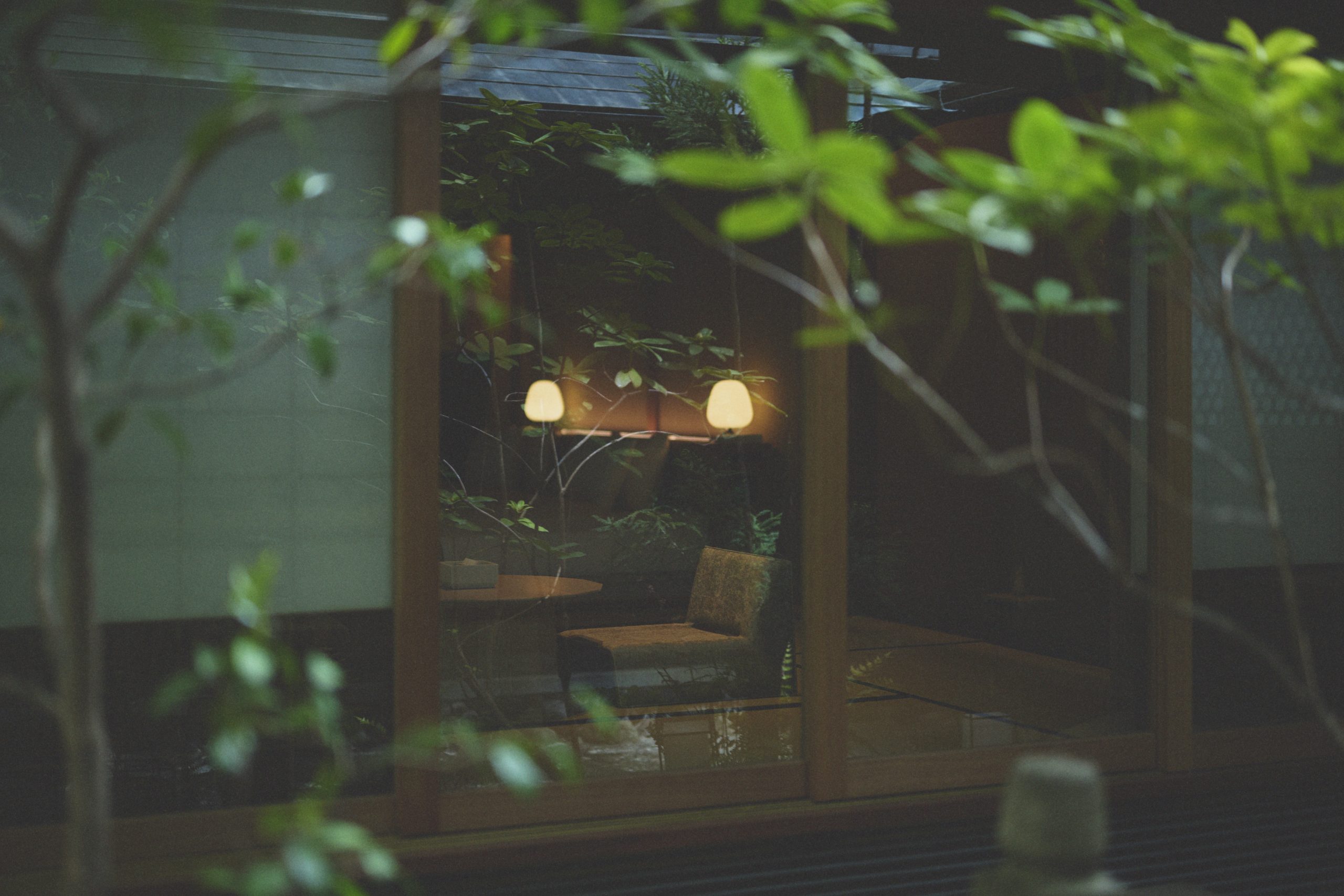
Reflecting the spirit of tea ceremony, a four-and-a-half tatami tea room
The four-and-a-half tatami mat tea room left on the first floor is a place where tea masters and cultural figures once gathered for a cup of tea. Within the limited space, the tokonoma, hearth, tatami mats, and fittings are neatly arranged, creating an intimate world for the host and guests to face each other quietly.
By placing oneself in a space stripped of unnecessary elements, the sound of boiling water, the aroma of tea, and the texture of the utensils become vividly apparent. You can feel the spirit of "ichigo ichie" that the tea ceremony has cherished, emanating from the building itself.
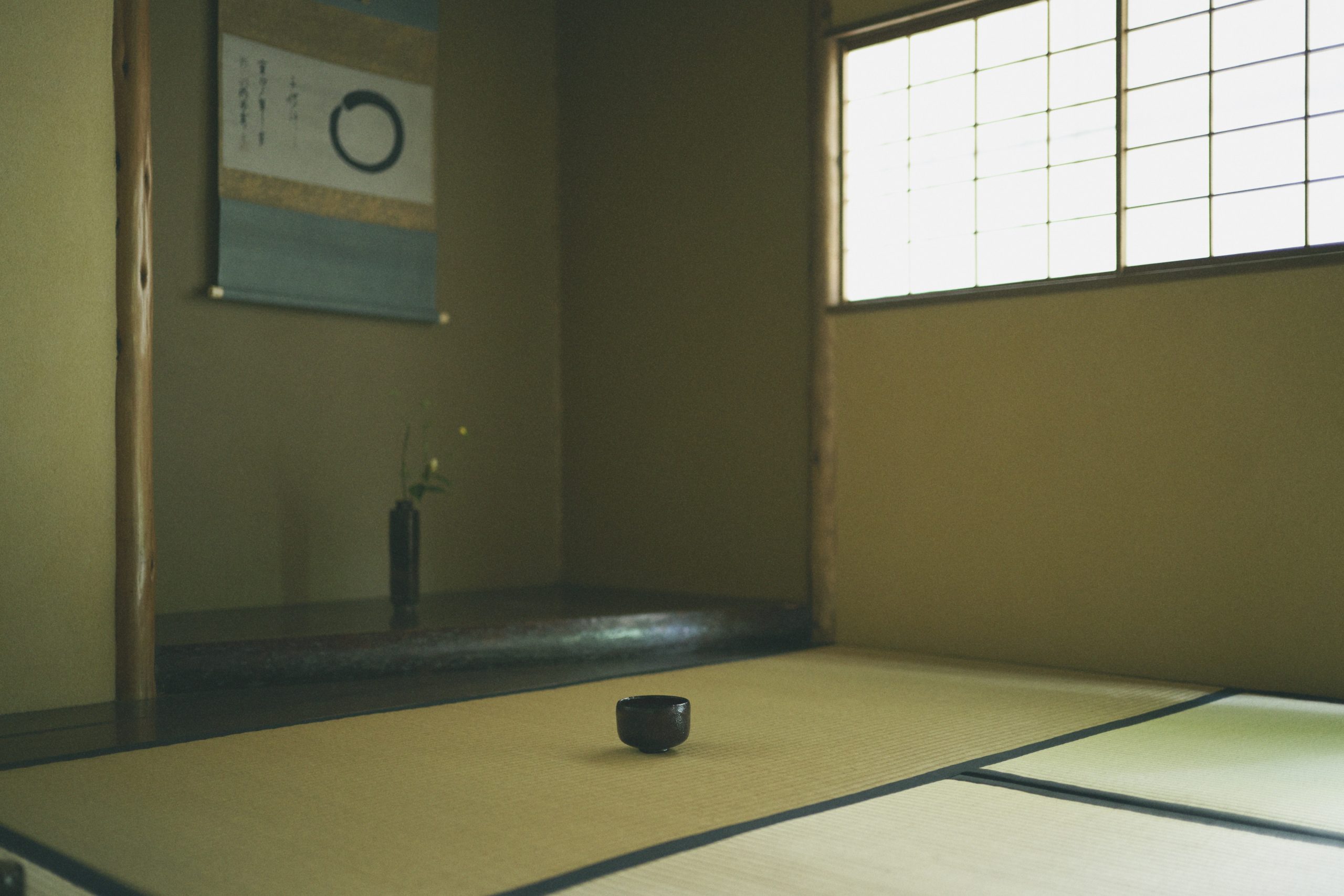
Conveying the sensibility of the times, a fusion of Japanese and Western styles
At that time, the upper class valued traditional Japanese culture while actively incorporating newly introduced Western styles. The Western-style waiting room and the second-floor living room left in the Higashiyama roji convey the sensibilities of that era.
The warmth of tatami and wood, combined with a Western lifestyle centered around chairs and tables. By moving from a quiet tea room to a vibrant living room, one can feel the overlapping of Japanese culture that transitioned from the Meiji to the Taisho era within a single residence.
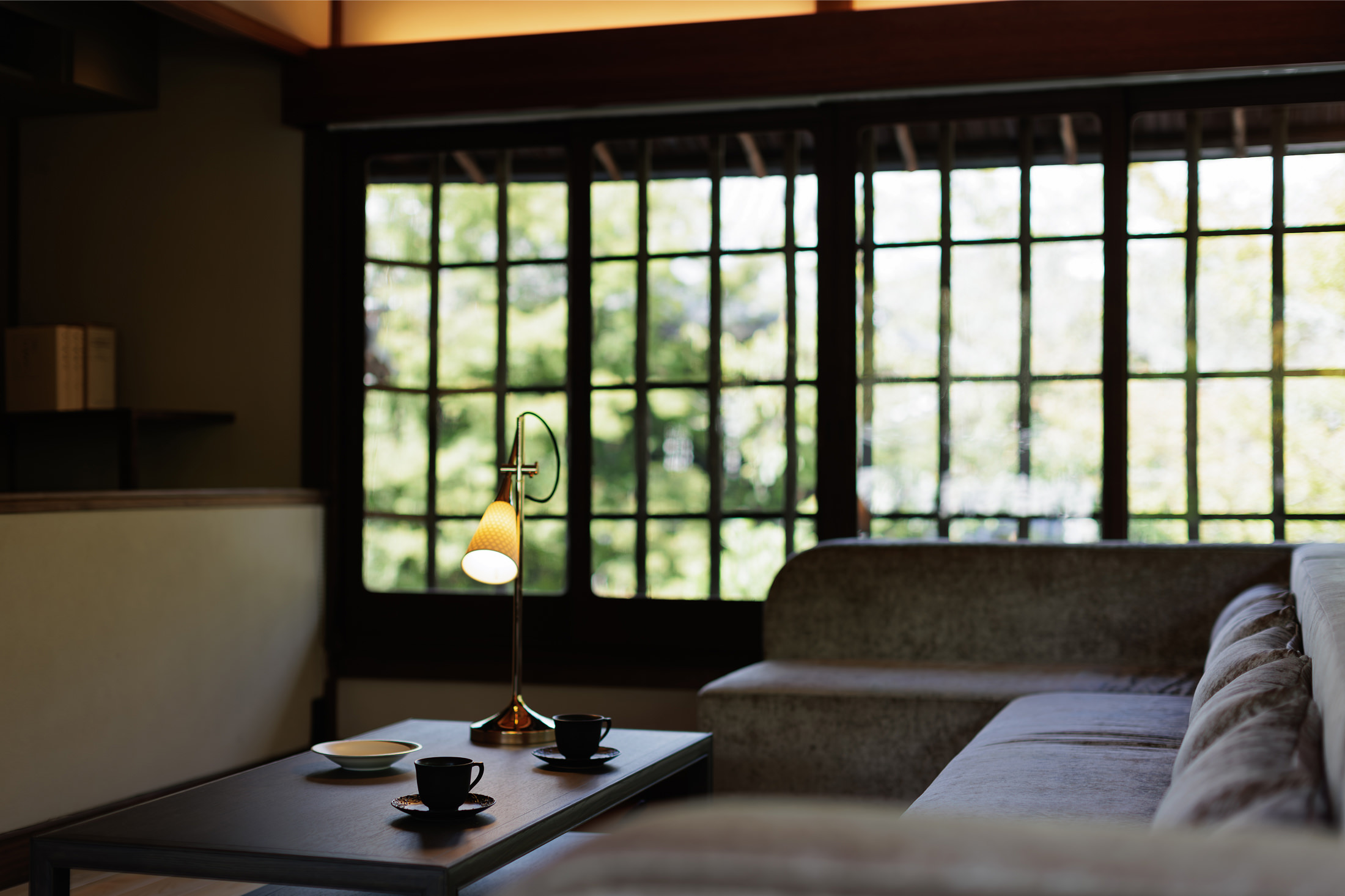
Capturing the seasons like a painting, the garden and window
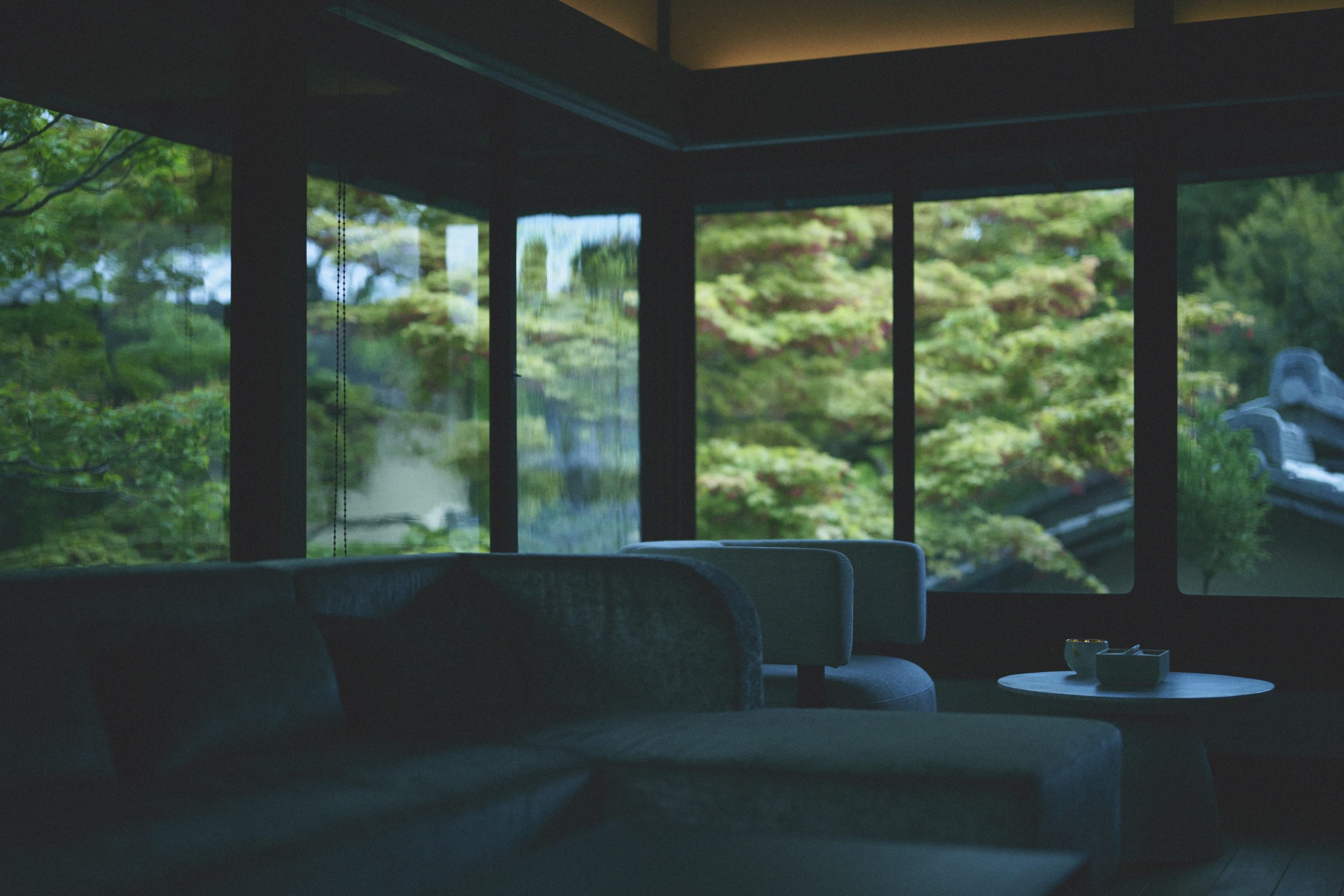
The windows placed throughout the residence are frames that beautifully capture the garden's scenery.
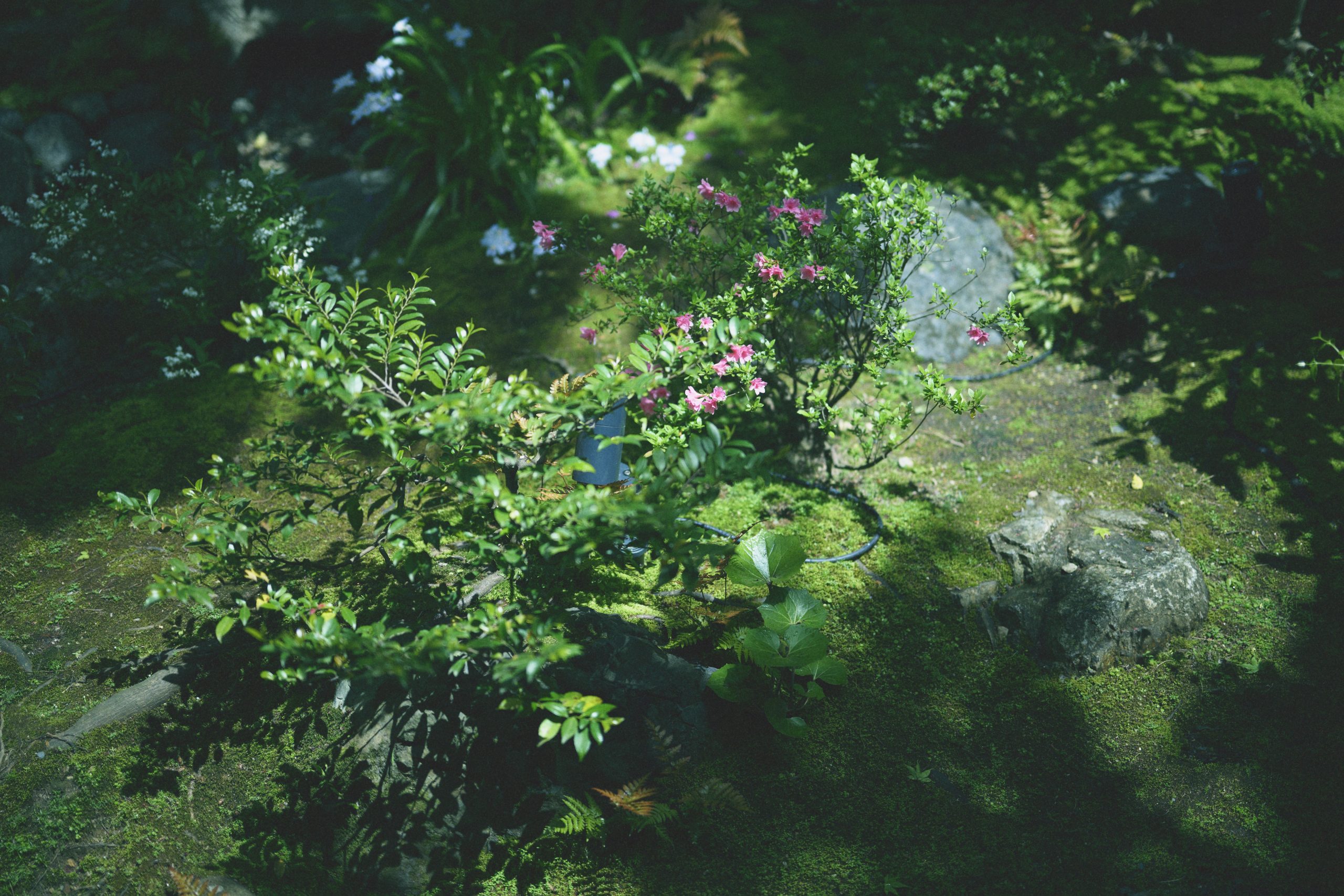
In spring, cherry blossoms; in summer, greenery; in autumn, a sea of red leaves. In winter, the outlines of branches and the deep colors of moss stand out, showing different expressions of the same space with each season.
There is an indoor space for appreciating the garden, and the garden exists to deepen the tranquility of the indoor space. Enjoy the rich time unique to Japanese homes, where architecture and nature enhance each other.
From a private residence for a tea ceremony
to a whole villa for exclusive use
Positioned beyond the garden gate, I listen intently to the sounds of the leaves. It is a time to receive the light, wind, and seasonal essence once cherished by connoisseurs, through my own senses.
In a four-and-a-half tatami mat tea room, one can calm their mind while gazing at the windows filled with cherry blossoms and autumn leaves. Surrounded by catered dishes, one can experience the performances of geisha and maiko, and in the evening, savor fine sake in a quiet mansion. In this place, one does not merely appreciate Kyoto's culture; instead, it allows for a personal time spent together.
A journey that traces the aesthetic consciousness of connoisseurs, awakening the dulled sensitivity within everyday life. We have prepared a stay that opens your heart to the authenticity and tranquility of Kyoto, allowing you to weave your own unique story in this city. Experience true beauty and return to a moment of deep silence.