Special location embraced by two rivers
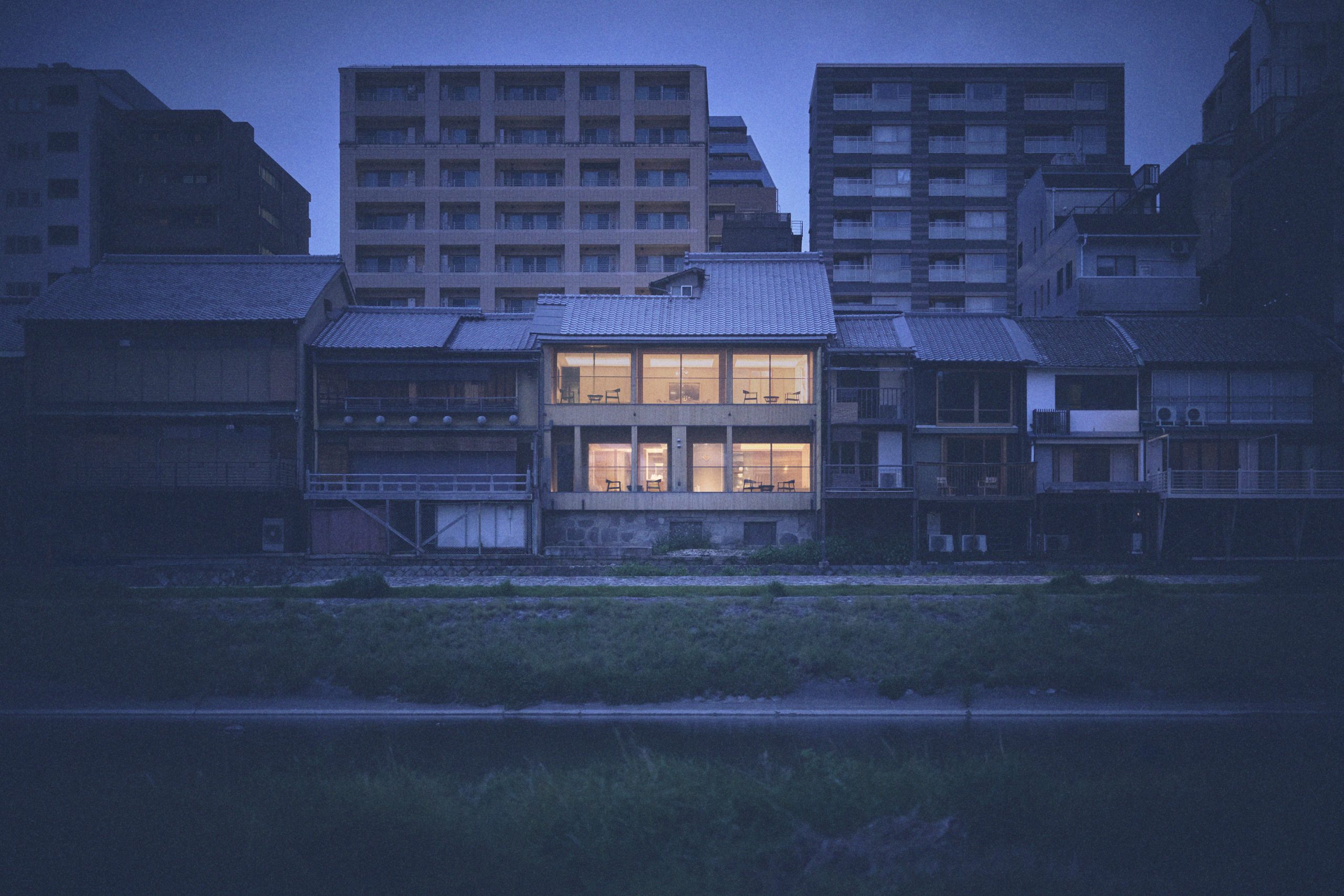
Built in 1907 as a lodging house, this historic building has welcomed guests as an inn since its establishment in 1925.
Located along the Kamo River, which represents Kyoto, Kiyamachi Street is filled with traditional shops and has a rich atmosphere. On the west side flows the gentle Takase River, while on the east side spreads the majestic Kamo River. It is precisely because this area is embraced by two rivers that one can closely feel the unique scenery and the changing seasons of Kyoto.
The narrow stone-paved approach heightens the anticipation of the extraordinary, while its historical presence invites a sense of travel.
In spring, the cherry blossoms along the Takase River and in summer, the cool dining areas by the Kamo River, are landscapes that symbolize Kyoto, and being able to enjoy them as part of daily life is a unique charm of this place.
The story of Kyoto, inherited in its name
The name 'Hotel VMG Kyoto Kamogawa' is derived from the wealthy merchant Sumino Kura Ryo-i, who greatly contributed to the development of Kyoto.
In the early Edo period, Kakuura Ryoi excavated the Takase River as a waterway to support logistics, establishing a new means of water transport for people and goods. It is said that due to his achievements, commerce and culture in Kyoto greatly developed, bringing rich prosperity to the region.
The majestic flow of the Kamo River and the gentle murmuring of the Takase River. In this place where the two rivers embrace each other, the history of Kyoto and the lives of its people continue to thrive even now.
In this place where people and culture intersect, giving rise to new encounters, please enjoy a memorable stay along with the history of Kyoto.
Inherited beauty, into modern stays
A luxurious design that impresses with contemporary modernity while equipped with the comfortable conveniences of today.
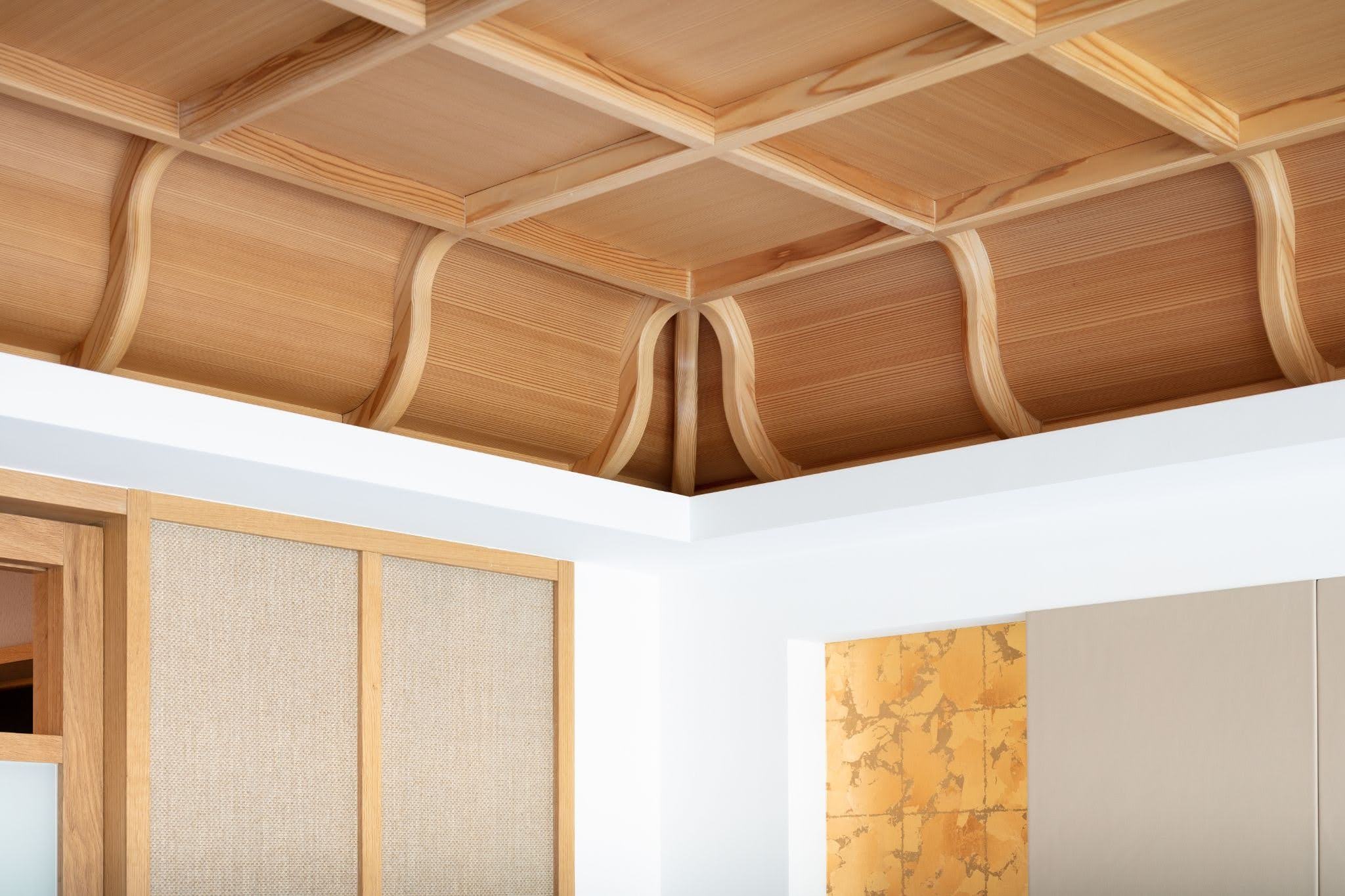
All guest rooms feature a 'folded ceiling,' a design element that has been established in the most prestigious special rooms of traditional Japanese architecture, characterized by luxury and requiring advanced craftsmanship.
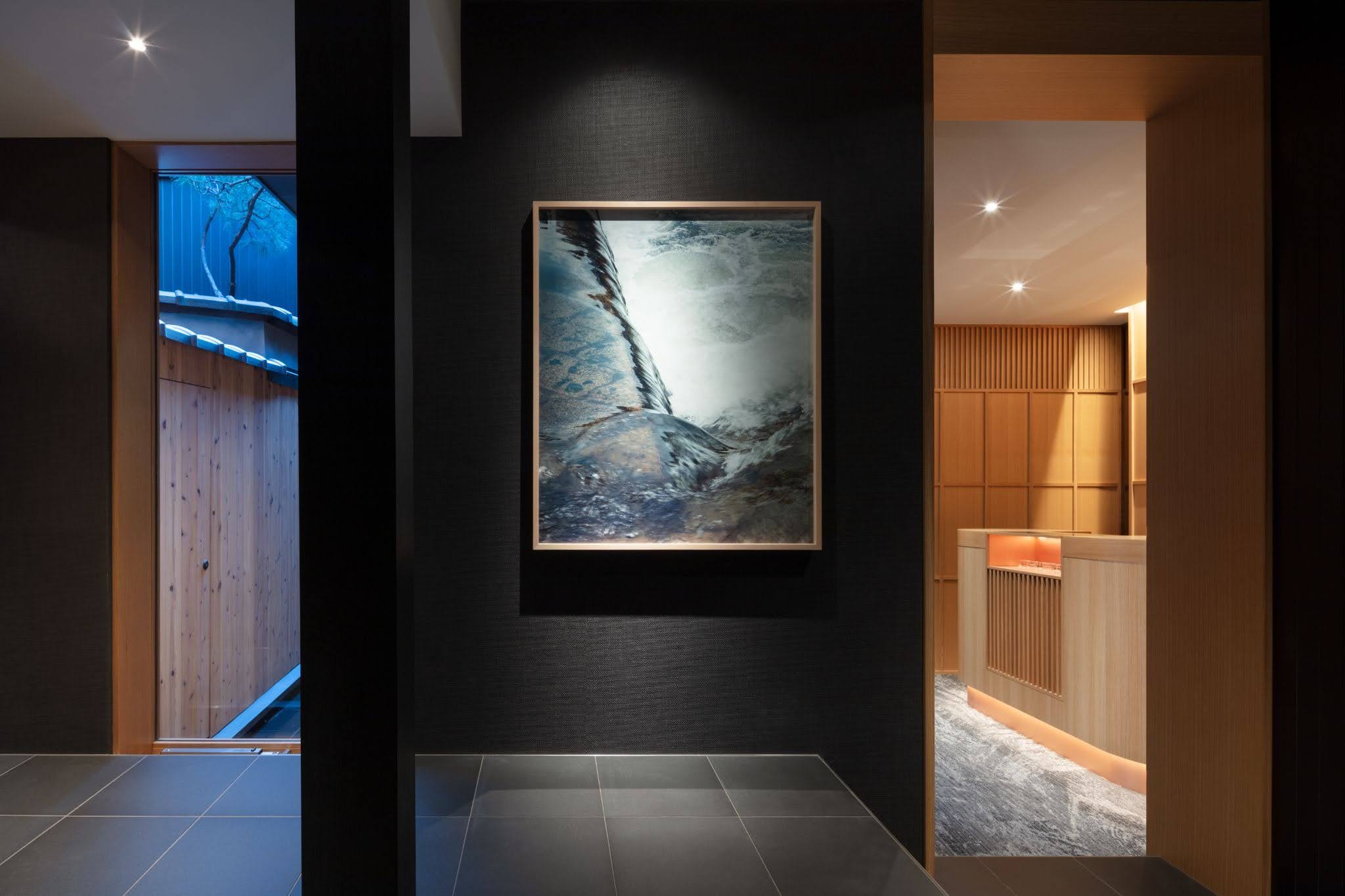
Additionally, works by a writer from Kyoto are displayed in various places within the building, expressing a life enriched by art.