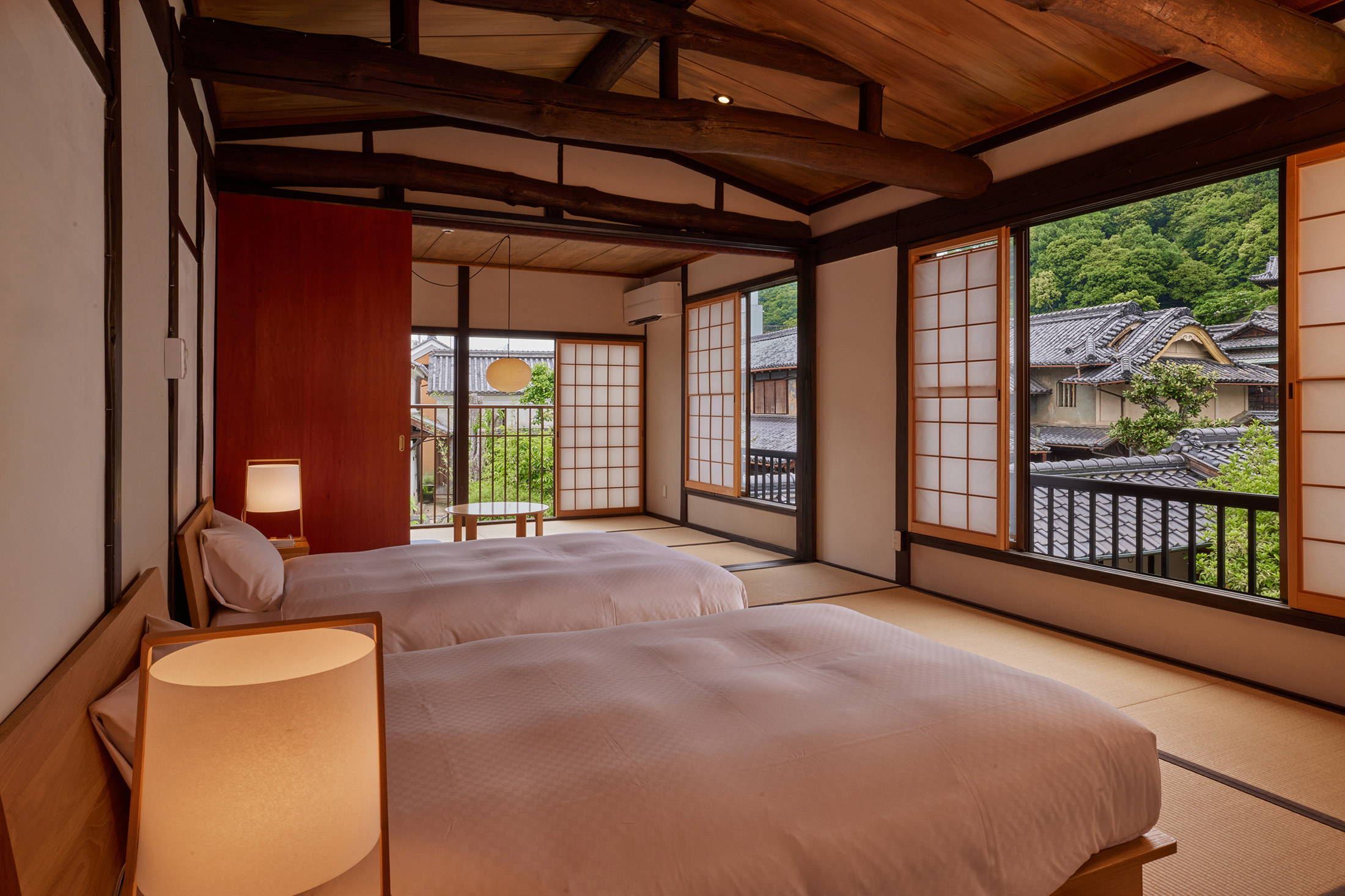
Takehara City, located near the center of Hiroshima Prefecture along the Seto Inland Sea, has been known as an important port town for transportation since the Muromachi period.
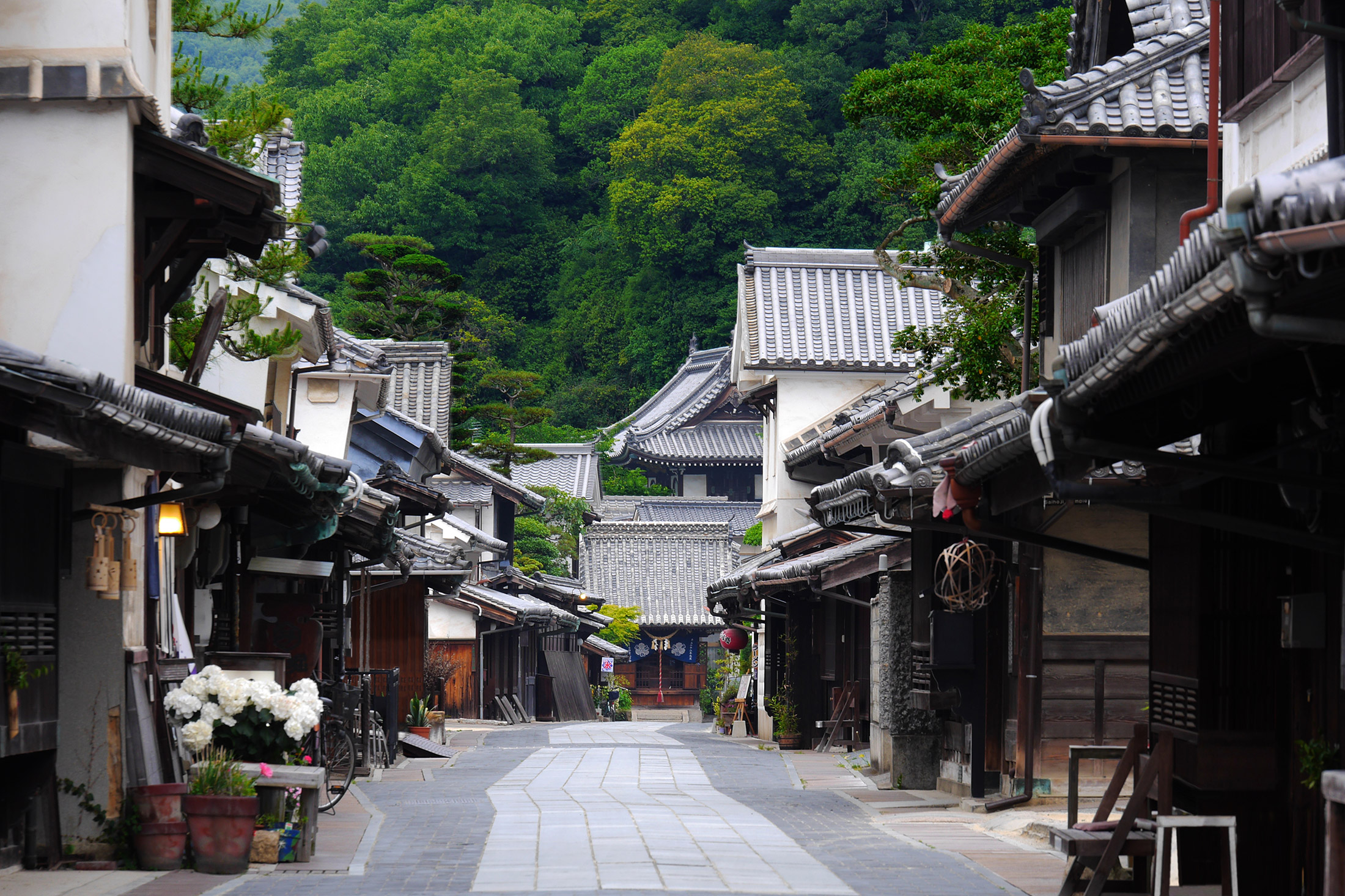
Even now, the mansions and temples that convey the prosperity of the Edo period are scattered throughout, and the streets that retain the charm of that time have been designated as Important Preservation Districts for Groups of Traditional Buildings.
Please enjoy the serene atmosphere and heartwarming strolls in Takehara, known as the 'small Kyoto of Aki.'
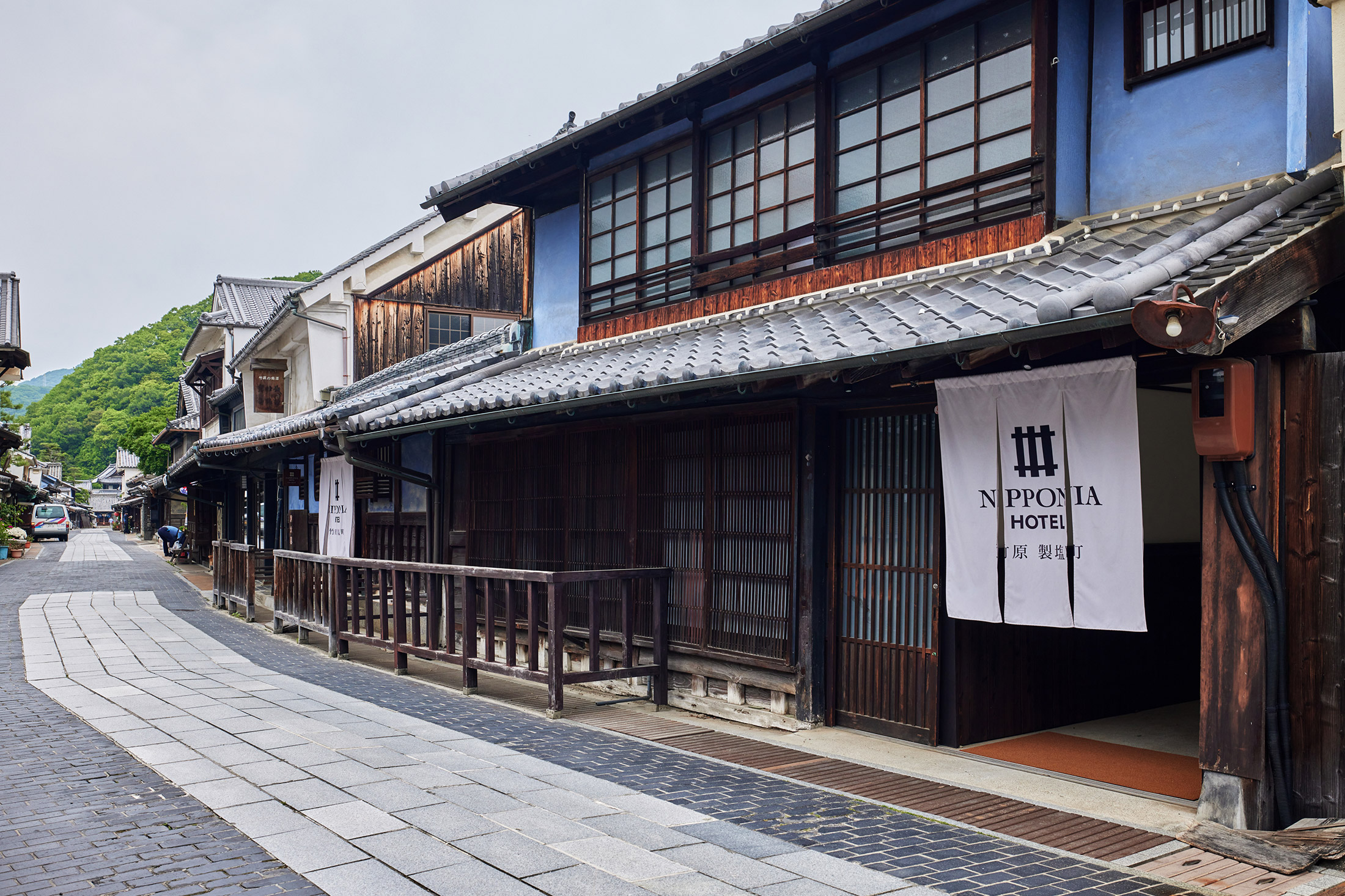
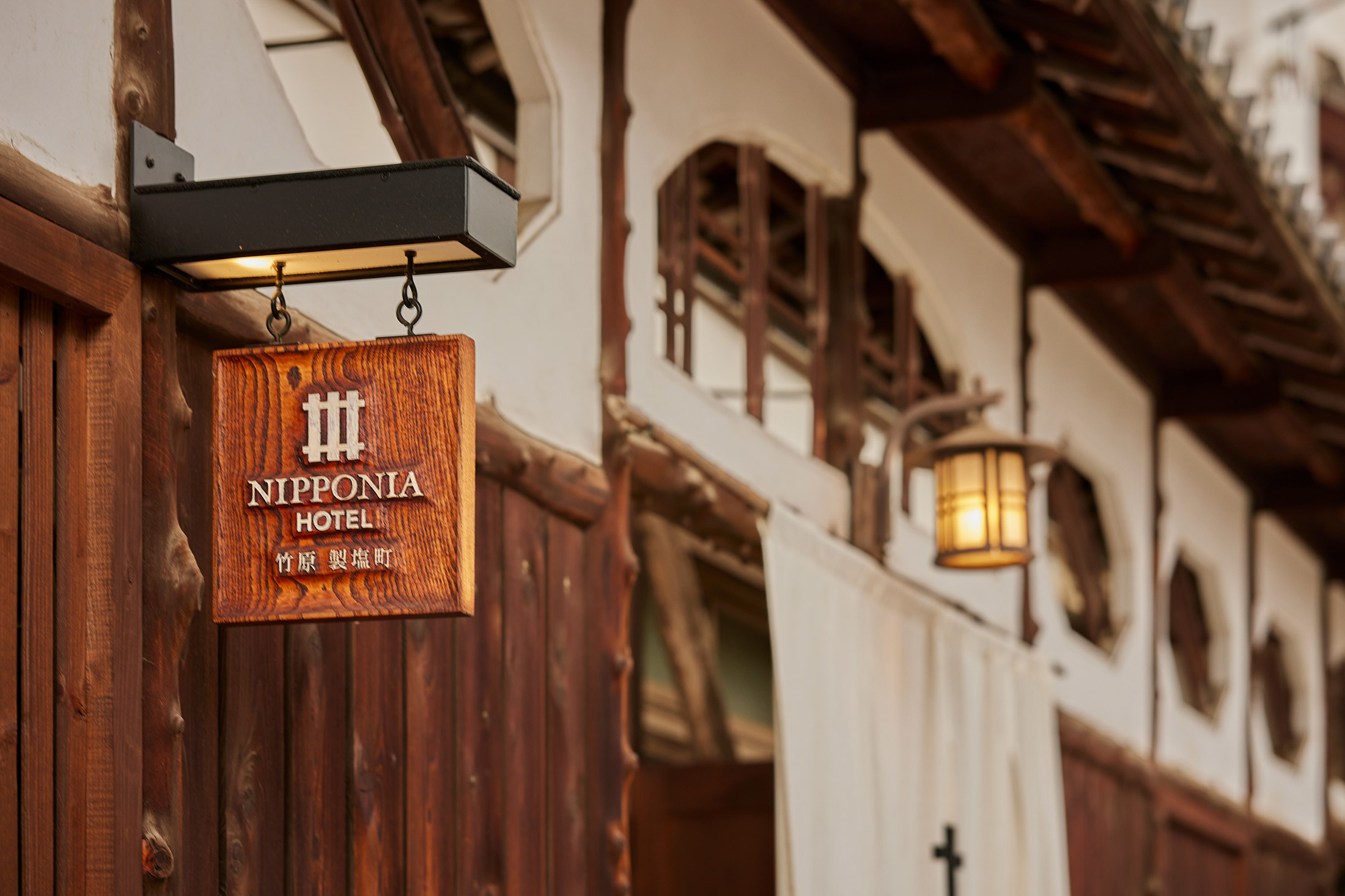
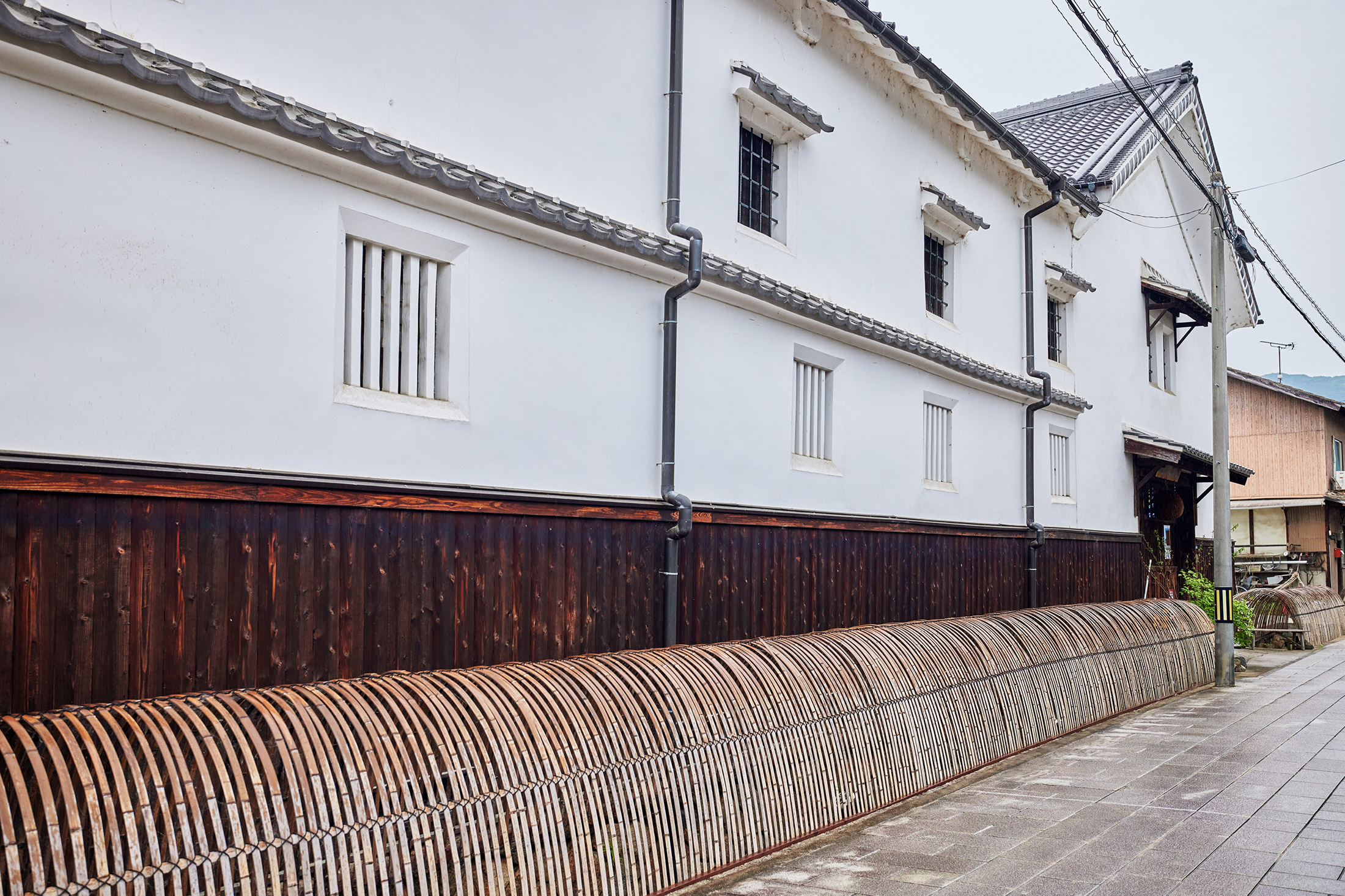
The town with
traditional townhouses
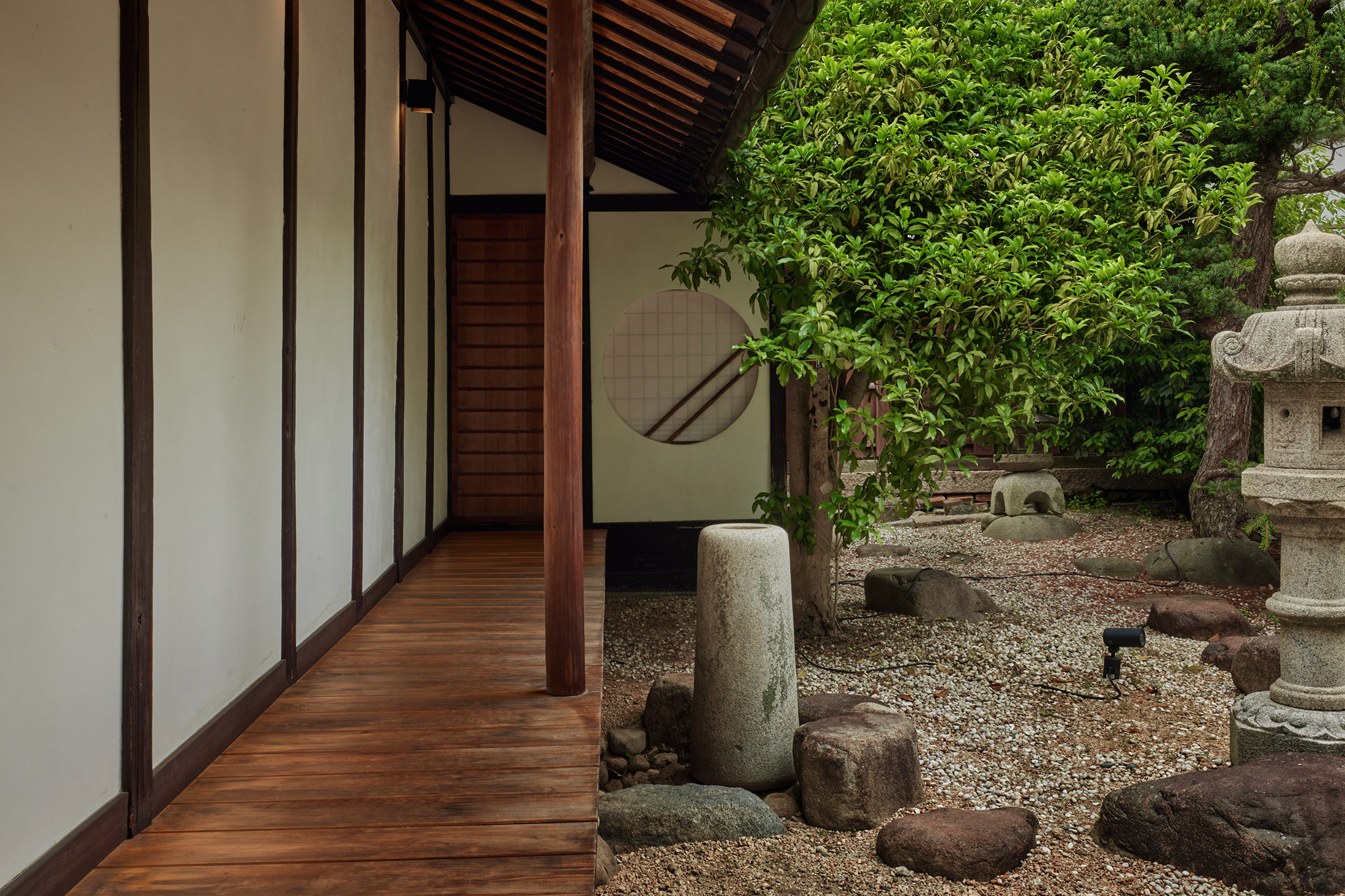
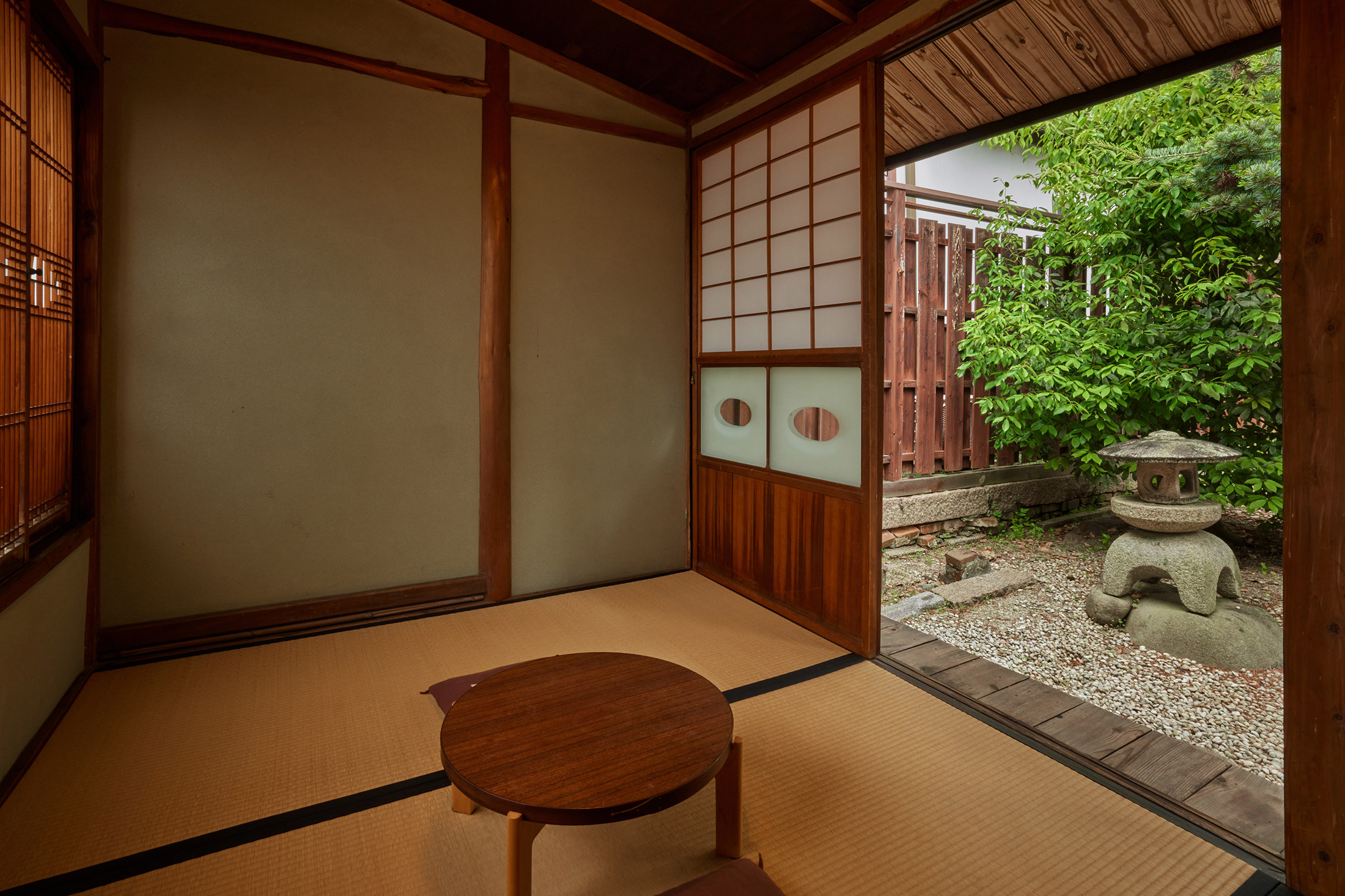
The "Townscape Preservation District" of Takehara is located in the area known as "Kamimachi and Shimomachi," near JR Takehara Station, where townhouses built from the mid-Edo period to the Meiji period are still in active use. A variety of architectural styles, including gabled roofs and irimoya-style construction, coexist, creating a streetscape that feels unique yet calm. Walking through the charming alleys and along Honmachi Street, which runs through the center of the district, one might feel as if time is flowing slowly. Please enjoy a stroll through the historically rich streets of Takehara.
The "Hama-danna" that created the culture and economy of Takehara
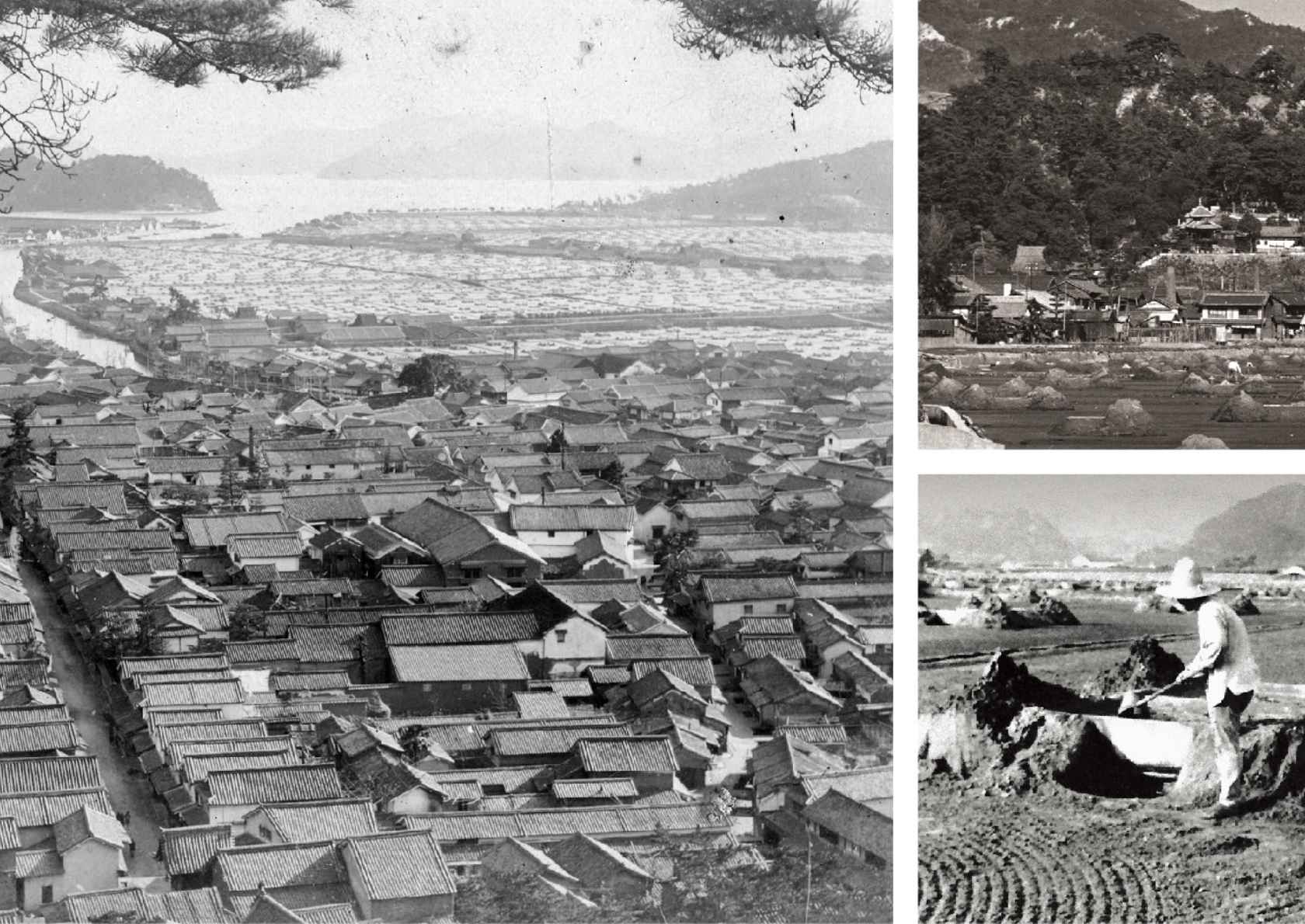
The wealthy Hama-danna, who made his fortune from salt, typically owned a large mansion that incorporated traditional architectural styles such as shoin-zukuri and sukiya-zukuri for banquets and gatherings. He also had a strong commitment to food, often serving elaborate fish rice dishes, and his refined sensibility can be observed from the existing mansions and documents.
Hamadanna had a deep understanding of academic subjects and was actively involved in scholarly activities, such as visiting the capital for academic purposes. It is believed that the environment of Takehara contributed to the emergence of outstanding scholars and cultural figures, which in turn sparked the spread of knowledge among the townspeople.
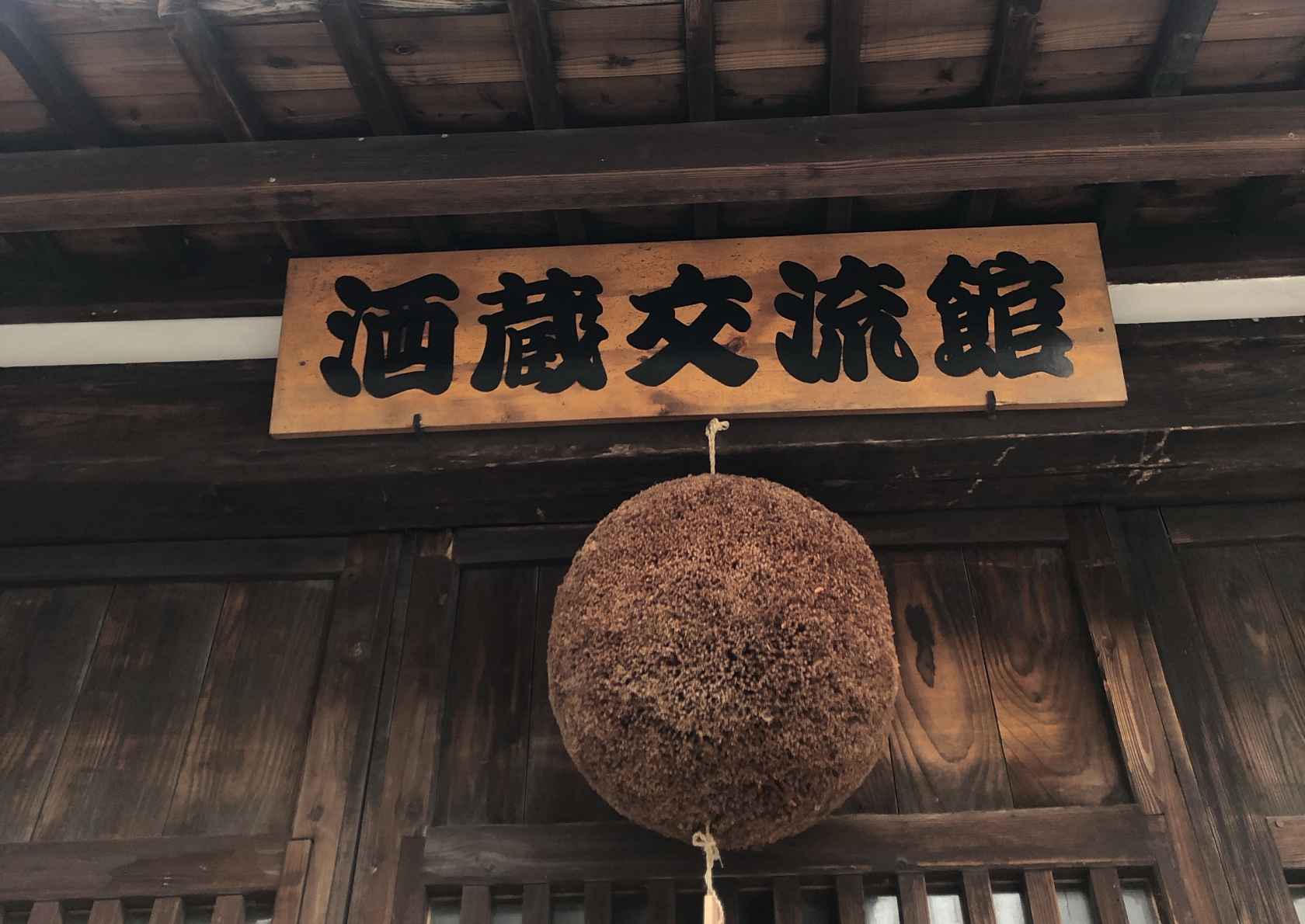
Takehara Sake Brewery
In Takehara City, known for its sake production, there are currently three existing breweries. During the Edo period, Takehara prospered through the salt production industry, and in the Meiji and Taisho periods, sake brewing began, reaching its peak with 26 sake breweries in operation, making it a lively merchant town.
Based on that abundant wealth, the owner of the salt production business, referred to as 'danna', became a patron and practitioner of culture and scholarship, thereby creating a rich salt field culture.