Nara, where a historical streetscape spreads out.
Numerous World Heritage sites, including Todai-ji and Kasuga-taisha, continue to thrive, and the weight of over a thousand years of history permeates the entire city. The capital of Nara, where one can feel the ancient charm in the tranquility, gently envelops the hearts of its visitors.
Please enjoy a journey that reflects on the eternal passage of time in this place.


The ancient city of sake origin
Naramachi, a popular area in the old town of Nara, the ancient capital, retains its traditional streets.
Despite being an international city with one of Japan's most significant historical heritages, Nara harmonizes a natural environment and urban landscape where one can relax without worrying about time, such as in Nara Park.
In the former grounds of Gangoji Temple, the streets from the Edo to Taisho periods still remain in the Naramachi area, where a water vein flowing from Kasuga Taisha Shrine runs through, and this water vein was actively used for sake brewing.
Please enjoy the charm of Nara, known to those who know it, by experiencing its culture and history in the natural surroundings of Nara.


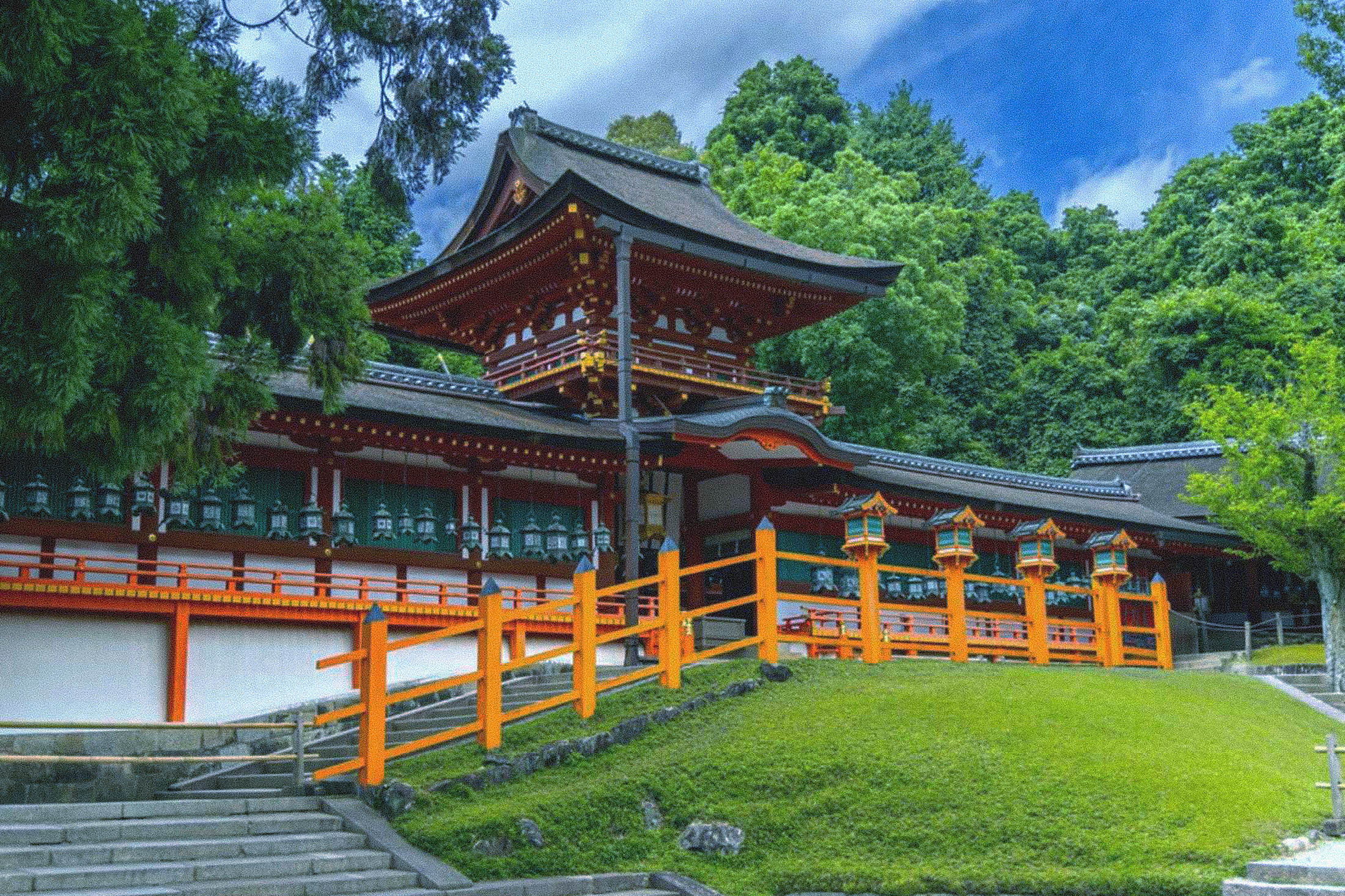
The sacred place where gods and nature coexist: Kasuga Taisha
Located deep within the forest of Nara Park, this shrine, established in 768 AD to enshrine the deity of the Fujiwara clan, is a representative shrine of Nara. The magnificent shrine buildings have been passed down through the tradition of 'Shikinen Zotai', which involves rebuilding every 20 years, preserving a tradition that has lasted for over 1,200 years.
Within the grounds, approximately 3,000 fishing lanterns and 1,000 stone lanterns are lined up, and during the Kasuga Lantern Festival, all of them are lit, creating a fantastical scene. Additionally, the landscape shared with the deer, which are regarded as messengers of the gods, evokes a unique serene beauty characteristic of Nara.
Please feel the eternal passage of time in this sacred place where mythology and faith still thrive.
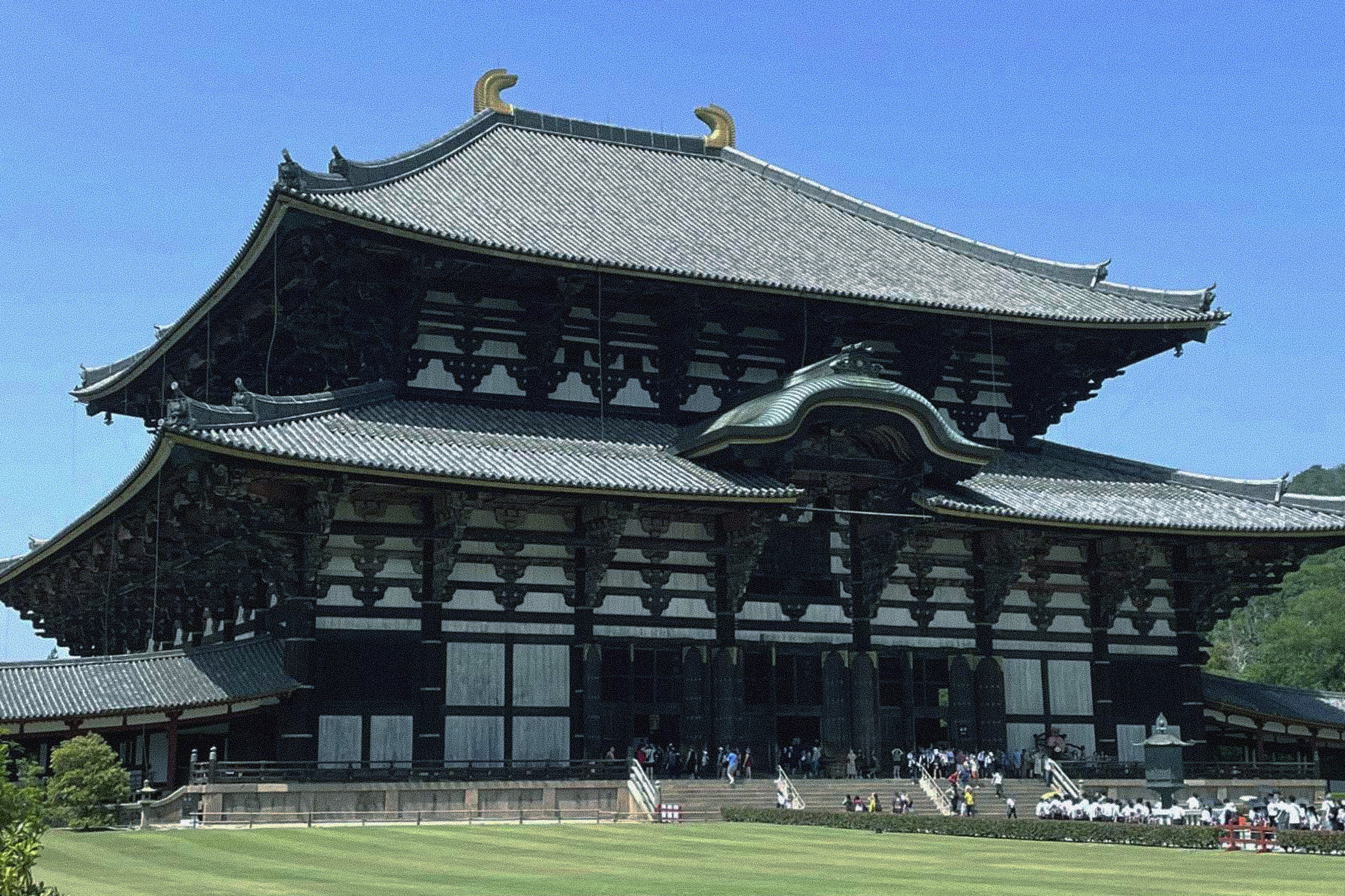
Miraculous Reconstruction - Todai-ji Great Buddha Hall
The Todai-ji Great Buddha Hall, which symbolizes Nara, is one of the largest wooden structures in the world, built during the Nara period under the orders of Emperor Shomu. For about 1,300 years since its founding, it has been rebuilt multiple times after being destroyed by wars and disasters, thanks to the strong faith and skills of the people. The current Great Buddha Hall was reconstructed during the Edo period and conveys the grandeur of its former days.
Inside, the Great Buddha of Nara (Vairocana Buddha), standing at about 15 meters tall, sits majestically, quietly watching over the visitors. The heavy pillars and beams, crafted from wood, showcase exquisite details and the graceful curves of the expansive roof. Here lies a truly miraculous space where Japanese traditional architectural techniques and the power of faith merge. The Great Buddha Hall of Todai-ji, crystallizing history, faith, and the skills of artisans, delivers a timeless sense of wonder to all who visit Nara.
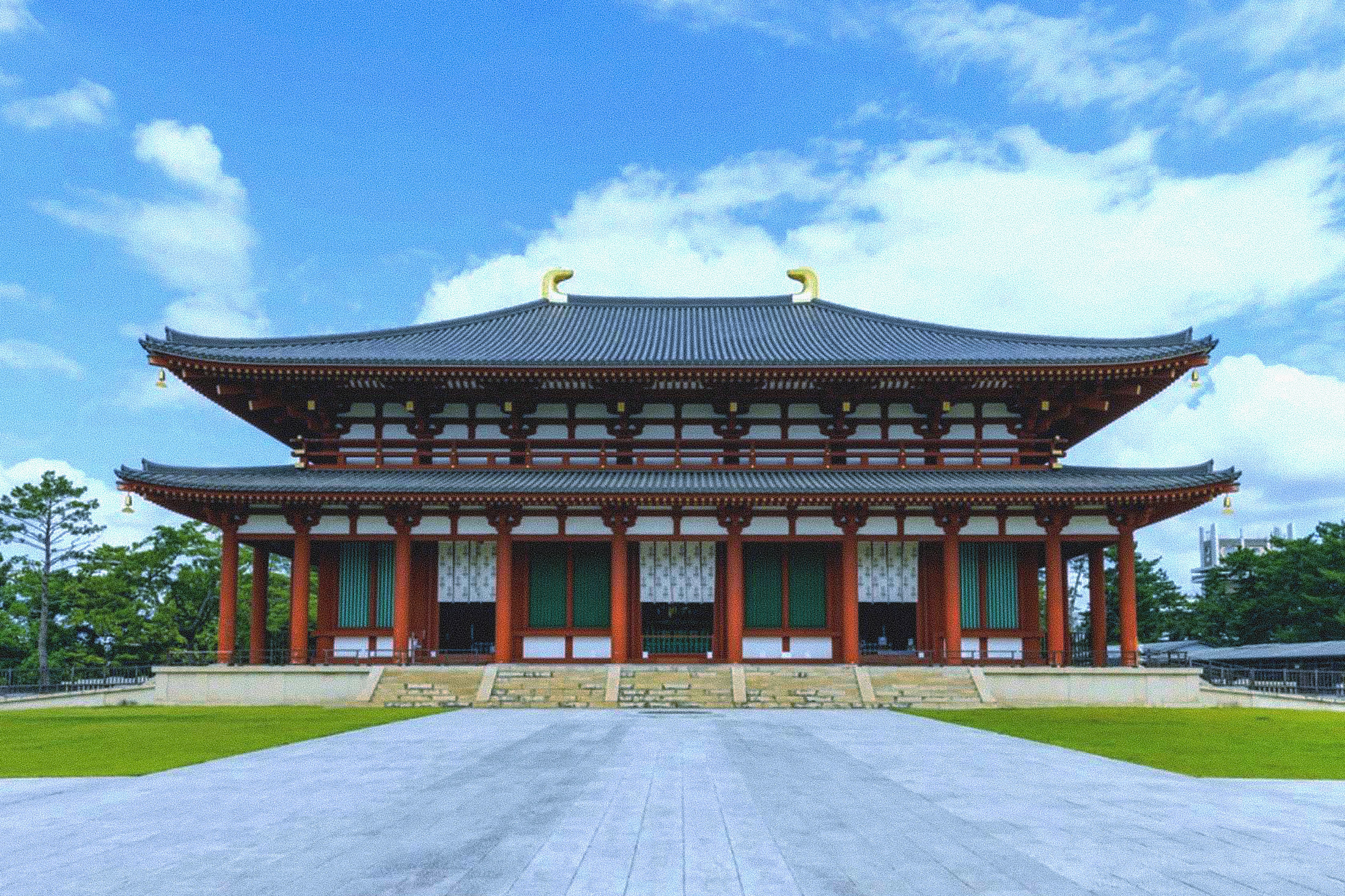
Prayers and beauty embedded in
the reconstruction - Kofukuji Temple
Kofukuji Temple, established in the center of Nara with the relocation of the capital to Heijō in 710 as the family temple of the Fujiwara clan, has lost many of its buildings due to numerous fires and wars. However, through reconstruction projects in the Heisei and Reiwa eras, it is gradually regaining its former majestic appearance.
In 2018, the "Central Golden Hall (Chūkon-dō)" was rebuilt for the first time in about 300 years. The wooden architecture, utilizing traditional techniques, faithfully reproduces the aesthetic beauty of the time and has deeply moved many people.
The group of National Treasures, including the Five-storied Pagoda and the Ashura statue, is a precious existence that conveys the essence of Nara's Buddhist culture to the present day.
Please take your time to confirm the form of prayer that has been revived in modern times with your own eyes.
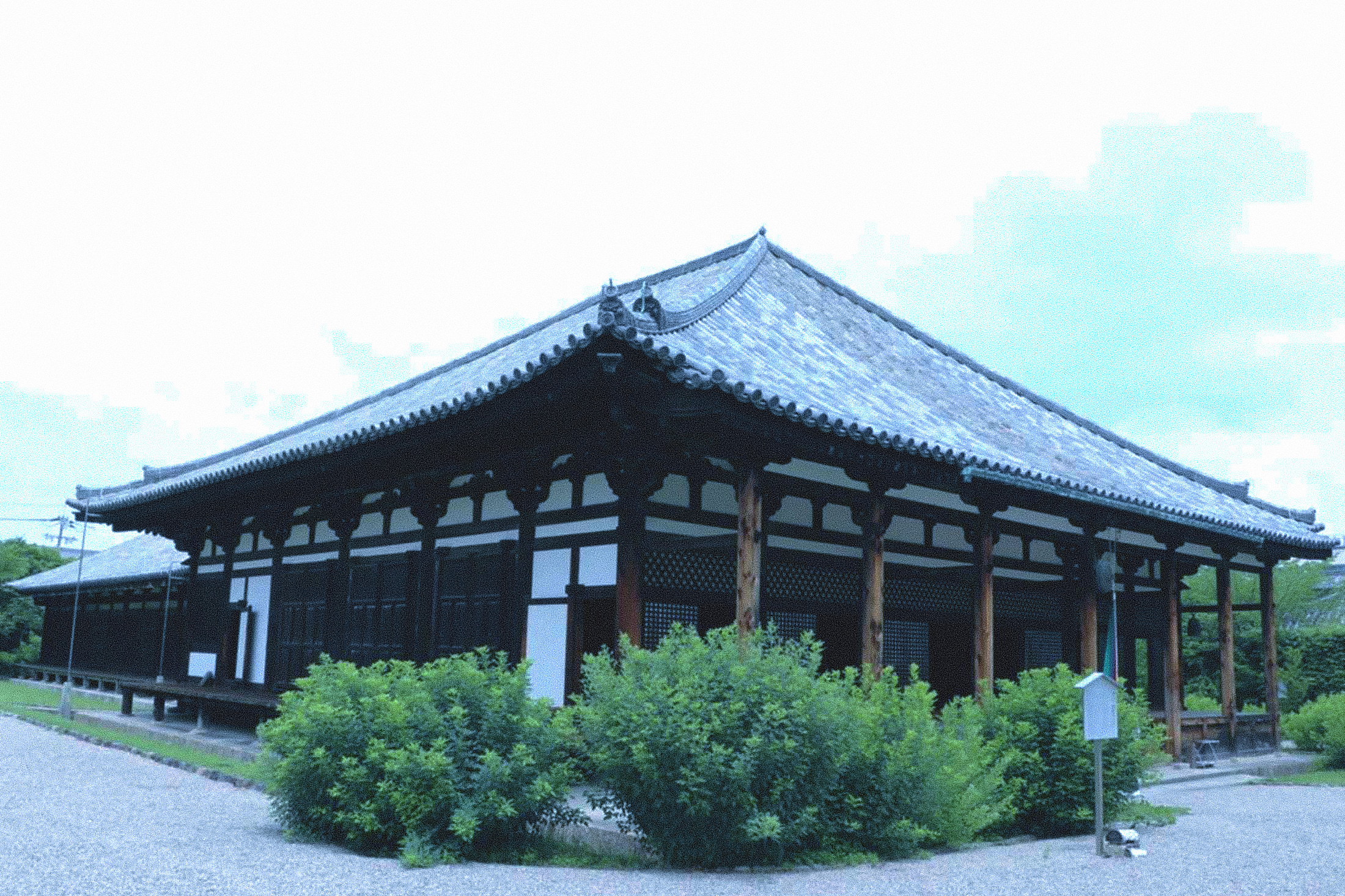
Ancient Memories - Gangoji
One of the World Heritage Sites, "Cultural Properties of the Historic Monuments of Ancient Nara," Gangoji Temple is an ancient temple that traces its origins to Hōkōji (Asuka-dera) in Asuka, and is the oldest authentic Buddhist temple in Japan.
During the Nara period, it was moved to its current location with the relocation of the capital to Heijō-kyō, and it flourished as the center of Nara Buddhism. Notably, the existing Gokurakubo main hall and Zen room. Part of the roof still uses tiles from the time of its founding in the Asuka period, and it is known as one of Japan's oldest architectural heritage.
The simple and tranquil atmosphere, different from that of a splendid temple, heals the heart and evokes the essence of Buddhism that transcends time.
Please take a moment to quietly feel the weight of real history that lies behind the splendor.