
In the center of Dazaifu are the Dazaifu Tenmangu Shrine and historical buildings of the town. To the west, there are cultural assets that remain from the time when it thrived as a distant imperial court.
We would like to introduce a spot in Dazaifu, a crossroads of history and culture, where you can see the forms of different eras that have been woven together for 1,300 years.
The more you know, the more interesting it becomes; please enjoy a journey that satisfies your intellectual curiosity.
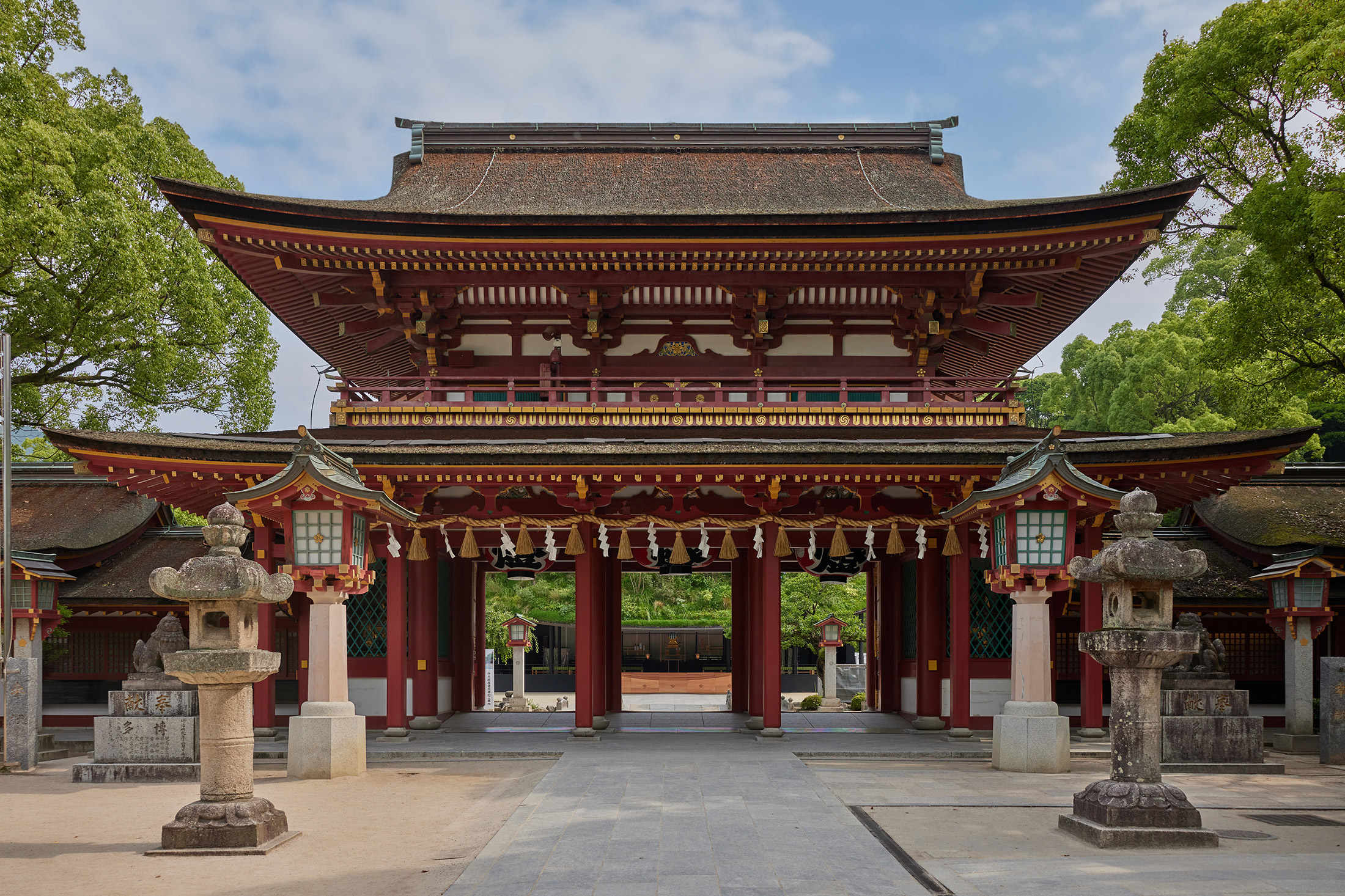
Dazaifu Tenmangu
This is the head shrine among approximately 12,000 shrines nationwide that enshrine Sugawara no Michizane as the deity. As a sacred place worshipping Michizane, who is the god of learning, culture, arts, and protection from misfortune, it has been cherished by many people from ancient times to the present.
We also offer an activity exclusively for our hotel guests, allowing nighttime worship at the tranquil Tenmangu Shrine after closing hours.
Learn More about the Formal Night Worship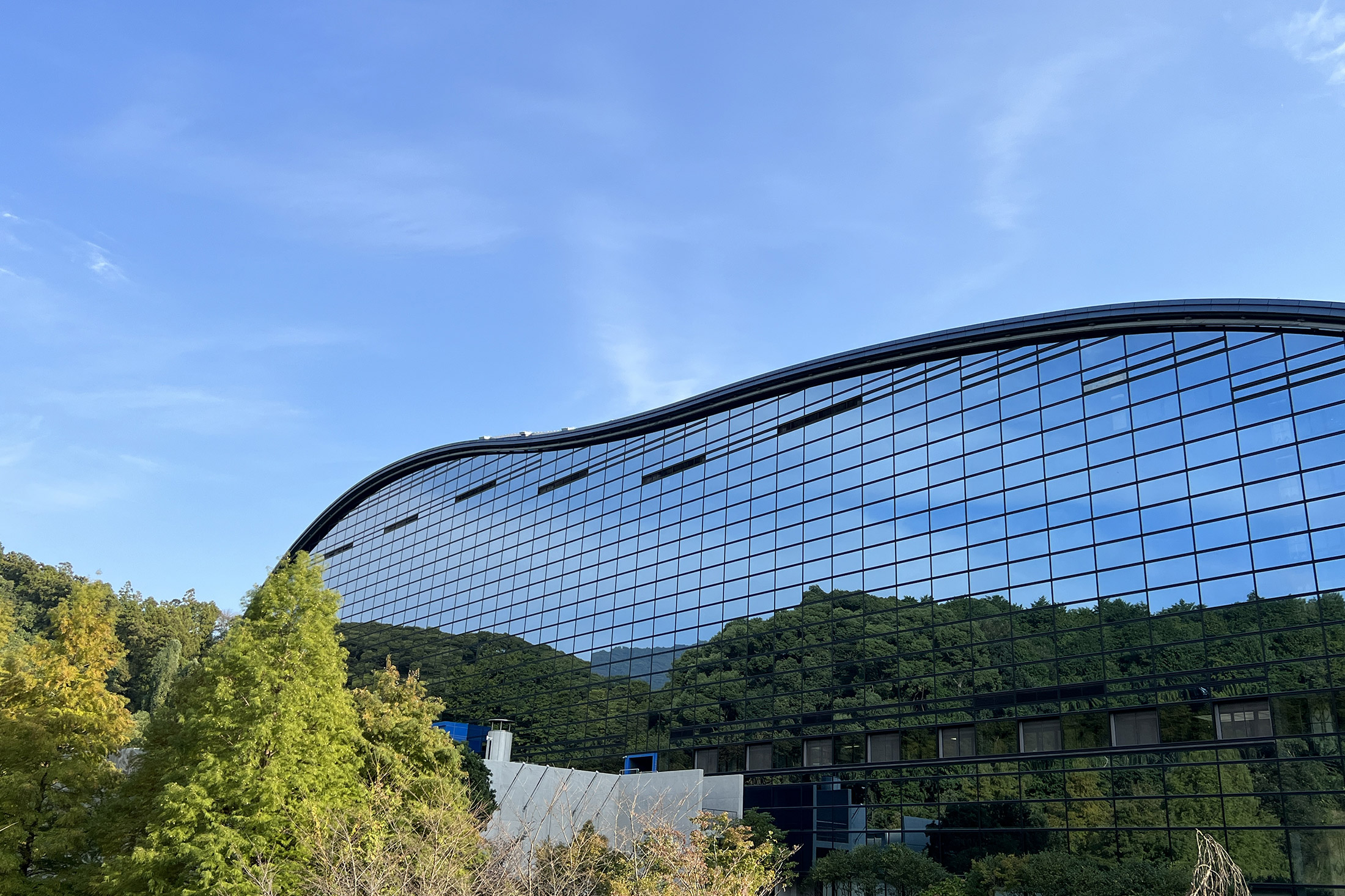
Kyushu National Museum
This is the fourth national museum in Japan, which presents the concept of "understanding the formation of Japanese culture from an Asian historical perspective." It has a vast floor area of 30,000 square meters, and its exterior is characterized by gentle curves that blend harmoniously with the surrounding mountain ranges.
Not only is it highly appreciated for being an experience that can be enjoyed with all five senses, but it also offers fresh emotional experiences through weekly special themed exhibitions.
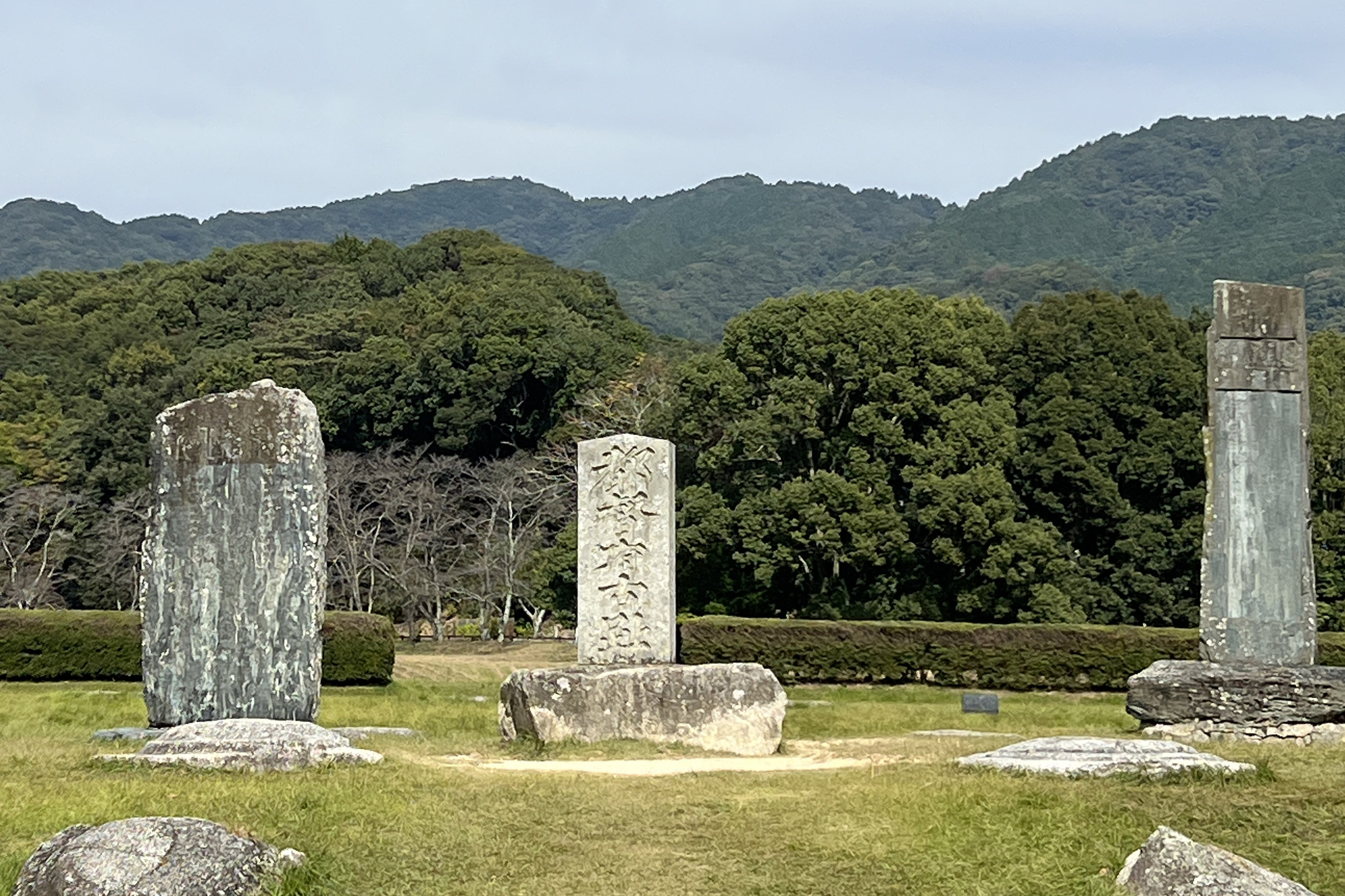
Dazaifu Government Office Ruins
The ruins of the government office built in the center of Dazaifu, which functioned as an important political core and a gateway to the Asian continent.
Although the building has been lost over a long period, the old architectural foundations remain, and it is now cherished as a Historic Site park. It is also a popular spot for plum blossoms from February to March.
Dazaifu Exhibition Hall
Located at the entrance of the ruins of the Dazaifu government office, it introduces the history and culture of Dazaifu, the western capital, starting with the exhibition of archaeological materials. You can also enjoy a diorama that recreates the scene of the 'Plum Blossom Banquet' from the 'Collection of Ten Thousand Leaves,' which is the origin of the Reiwa era.
Sakamoto Hachiman Shrine
The shrine located northwest of the Dazaifu government office ruins is dedicated to Emperor Ojin. It is said to be the site where the 'Thirty-two Poems of Plum Blossoms' from the 'Manyoshu' were recited, and the preface of these poems is regarded as the origin of the Reiwa era. In the autumn of 2019, a stone monument made of granite inscribed with 'Reiwa' was erected in the shrine grounds.
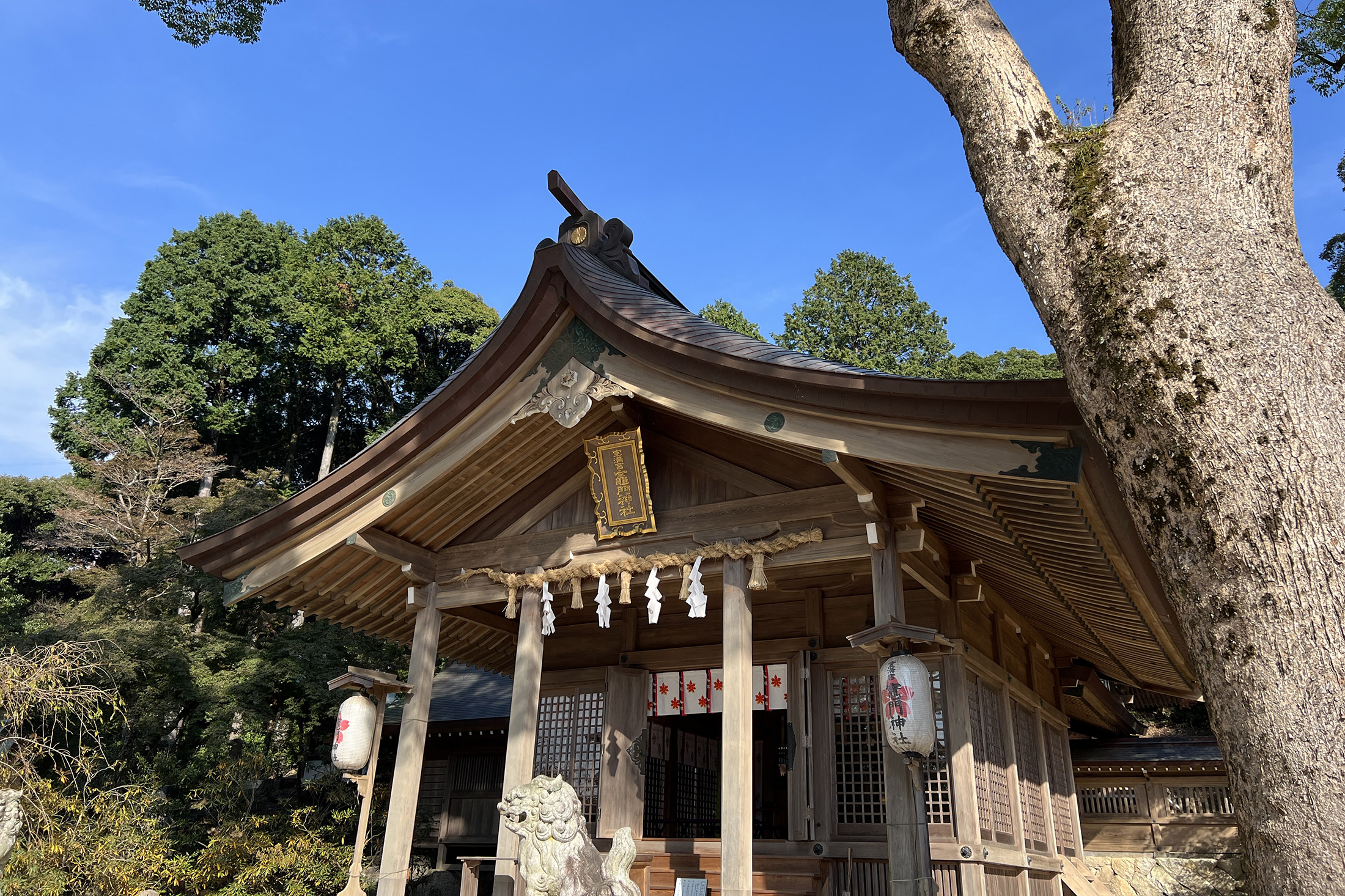
Hōman-kyū Kamado Shrine
At the summit of Hōman Mountain, which stands at an elevation of 829 meters, there is the upper shrine, while the lower shrine is located at the foot of the mountain. The upper shrine's hall is built facing north, allowing one to feel the formation of Japan's history and culture, which has always been conscious of the continent far across the sea.
Since ancient times, this deity has been widely revered as the 'god of matchmaking,' and is well-loved for helping to establish good relationships, starting with romantic ones, as well as those among family, friends, work, and nature.
Mount Hōman
As a mountain of faith where national rituals have been passed down, its historical and cultural value has been recognized, and it has been designated as the third Historic Site in the country. It is also known as "Kamadonoyama," named for its shape and the mist that makes it appear as if cooking is taking place in a stove. Historical figures such as Saichō and Kūkai, as well as those who traveled to the continent as envoys to Sui and Tang, would climb this mountain to pray for safe voyages and the success of their endeavors.
Kōmyō Zen Temple
This is a Zen temple of the Rinzai sect built in the late 12th century, featuring a stone garden and a dry landscape garden, with particularly beautiful autumn foliage.
Kannonji Temple
This temple was built in the late 7th century. It housed Japan's first temple bell and was considered the pinnacle of temples in Kyushu.
The treasure house displays many Important Cultural Property.
Ebetsu Shrine
This is a temple of the Rinzai sect established during the Nara period. The kaidan is a place where monks receive the precepts they must observe, and besides here in Dazaifu, there are kaidan at Todai-ji in Nara and Yakushiji in Shimotsuke (Tochigi Prefecture), which are collectively called the 'Three Great Kaidan of the World'.
Chikuzen Kokubun-ji Ruins
This is one of the Kokubun-ji temples established nationwide by the order of Emperor Shomu. It is the earliest Kokubun-ji to be completed in Kyushu, believed to have been finished by the year 756.