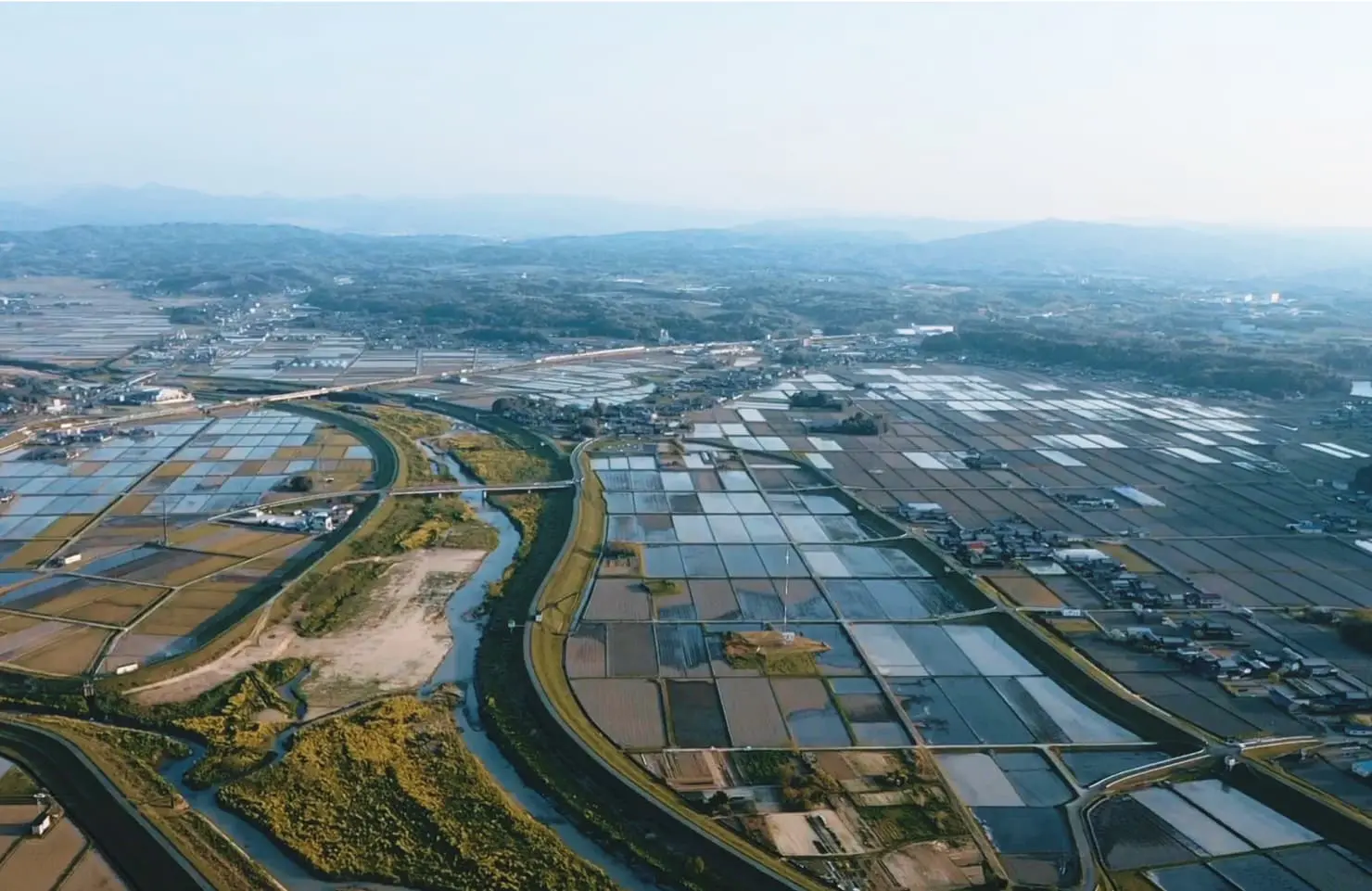
A beautiful town layout spreading in a grid pattern centered around Iga Ueno Castle.
In this castle town, where buildings from various eras still remain, many of Mie Prefecture's representative cultural properties can be seen, occupying a significant portion.
Japan's leading cultural architecture symbolizes modern Iga.
Please enjoy your stay, where you can learn about Iga's historical background and have your first cultural experience.
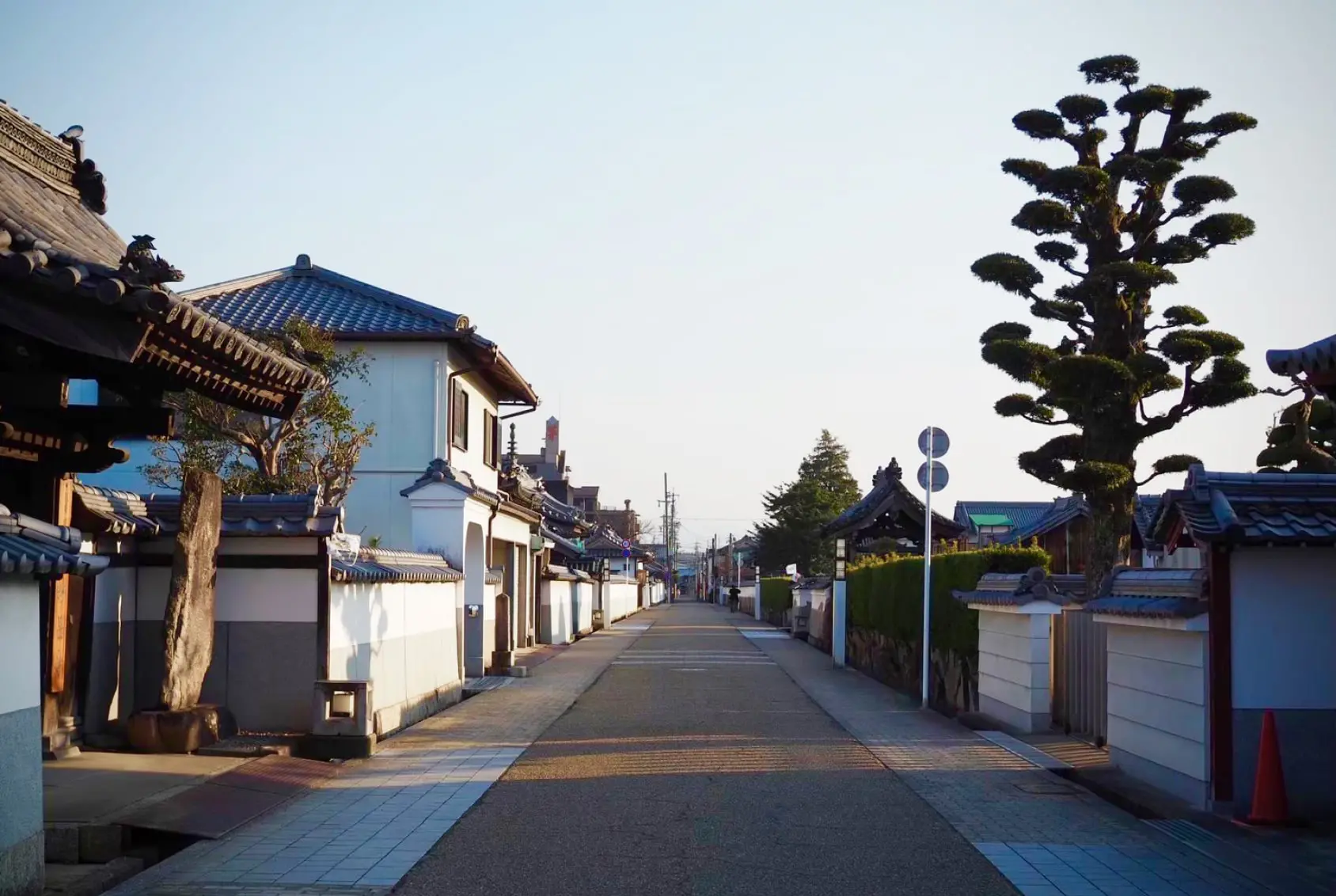
Encounter the unknown culture in the town of Iga
Iga is home to numerous cultural assets that Japan can be proud of. In particular, historical buildings, including the main halls of shrines and temples, as well as samurai residences, are scattered throughout the area.
Moreover, Iga has not suffered significant war damage throughout its long history, which is why many buildings that thrived in the Muromachi, Edo, Meiji, and modern periods remain.
Approximately 30% of Mie Prefecture's nationally Important Cultural Property and prefecturally designated tangible cultural properties, as well as about 20% of the nationally Registered Tangible Cultural Property, are located in Iga City. This place can truly be called a treasure trove of cultural assets, and a great deal of unknown history remains here.
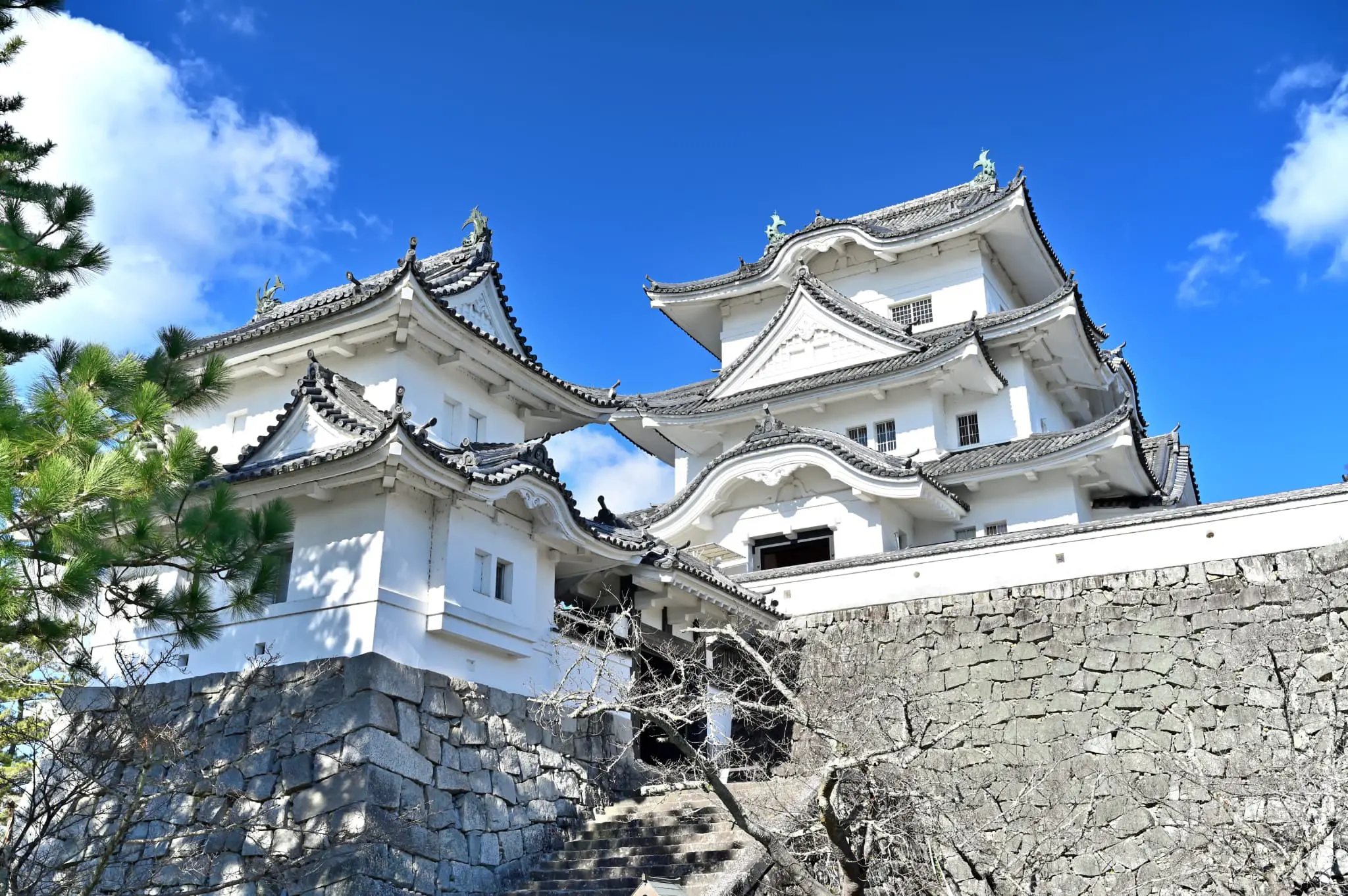
Base of culture and industry "Iga Ueno Castle"
Iga Ueno Castle began with its construction by Tsutsui Sadatsugu, a retainer of Toyotomi Hideyoshi, in 1585 (Tenshō 13).
Later, under the orders of Tokugawa Ieyasu, significant renovations were carried out by the castle-building master, Todo Takatora, who became the lord of Iga and Ise, including the construction of the tallest stone walls in Japan to face the Toyotomi forces at Osaka Castle to the west.
Even after the order to dismantle castles was issued during the Meiji era, the castle ruins were maintained as parks, and the current wooden main keep was restored by a local politician, Kawasaki Katsu, as a symbol of the promotion of culture and industry in the Iga region.
The formal name 'Iga Cultural Industry Castle' embodies the belief that 'while military fortresses may fall, the castles of culture and industry will remain immortal as long as humanity exists (military castles may perish, but cultural and industrial castles will not perish).'
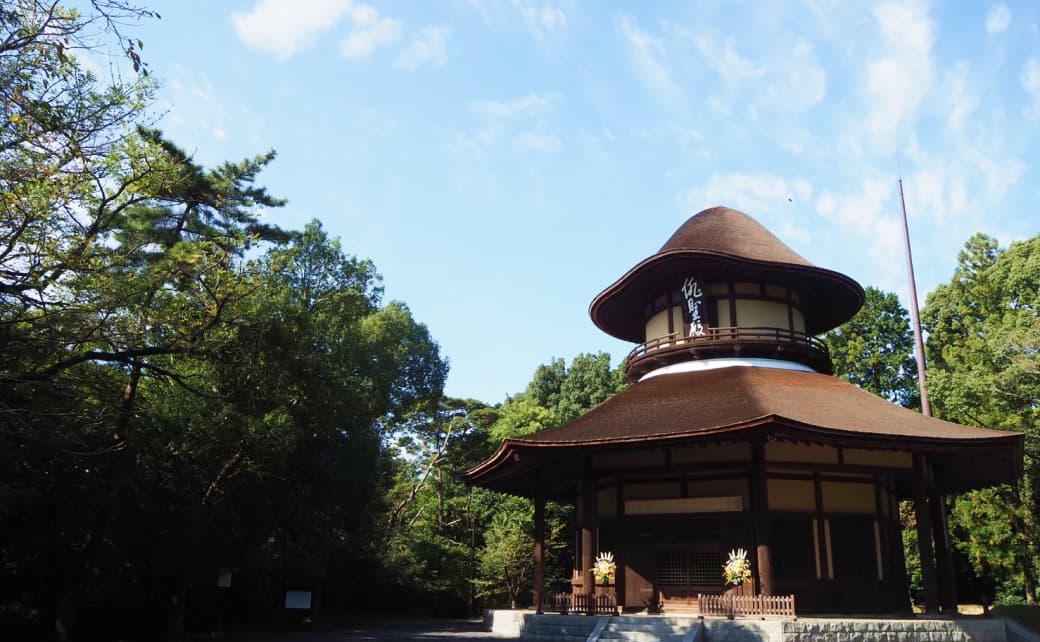
Formation of community and culture in Iga
In Iga, the development of diverse cultures and regional exchanges is actively taking place, and it is said that the prototype of this can be found in the town established by the feudal lord Tōdō Takatora.
The Ueno Castle Town area developed not only as a center of politics and administration but also as a hub for commerce and industry, allowing people and goods to flow in and out,
and the foundation of Iga's culture, which is still cherished in the town today, such as traditional sweets, tea, Noh, and haiku, was nurtured.
On the other hand, in the rural areas, in addition to rice cultivation utilizing the fertile soil, sericulture and forestry flourished, contributing to the prosperity of local industries.
Around 1566, in Misuji-machi, where the privilege of business licenses was granted, merchants and craftsmen flourished, and the wealthy merchants began to hold 'danjiri' for the Tenjin Festival in various towns, leading to the prosperity of the community.
In this way, the activities of circulating people and goods between Ueno castle town and surrounding towns such as Tsu and Nara have continued to serve as the foundation for the Iga community and the formation of its diverse culture.
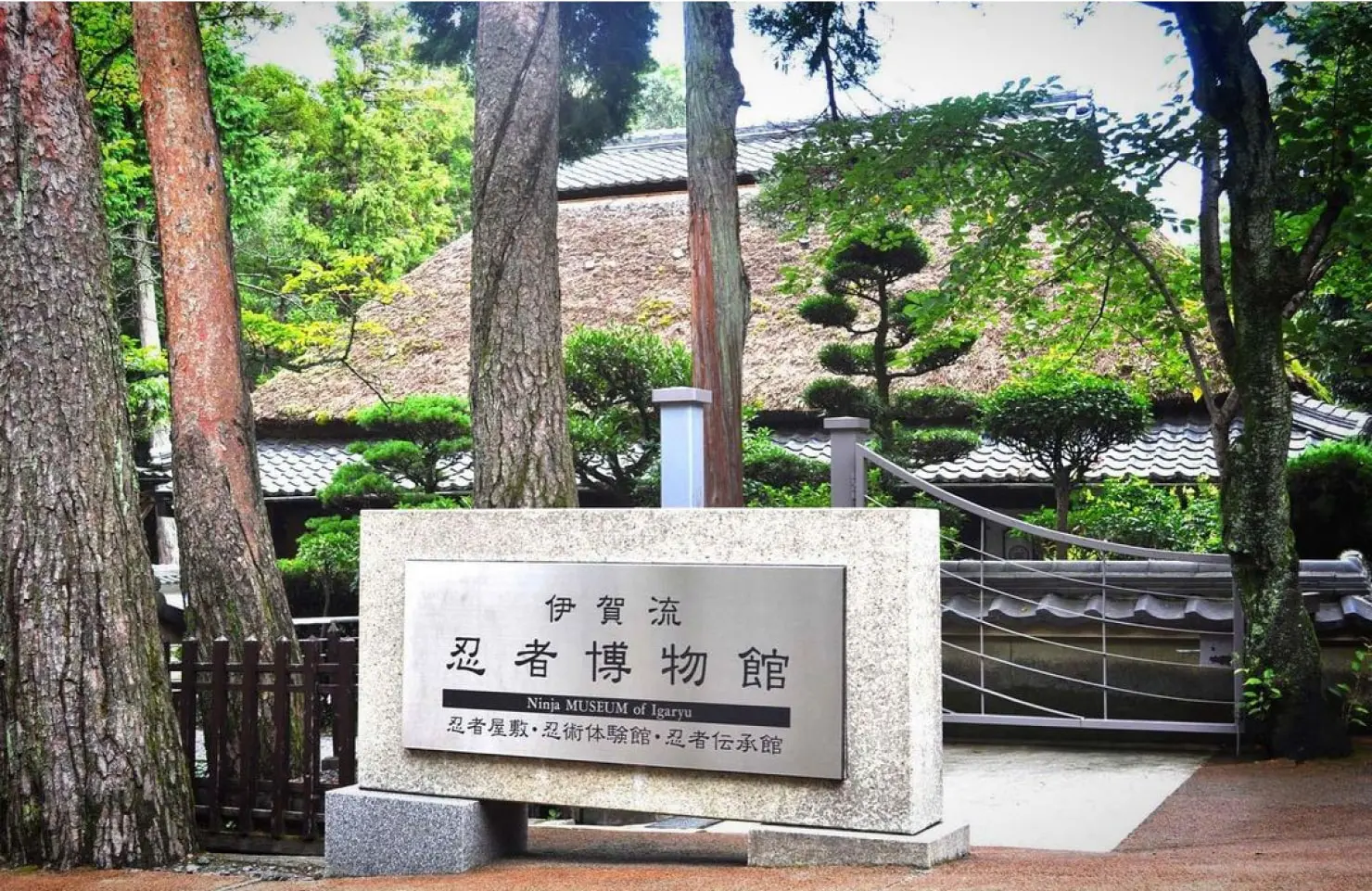
The beginning of the ninja village that is still loved today
Ninjas who served daimyos and lords and engaged in espionage activities.
There are various theories about their origin, but one of them is believed to be derived from the ancient practice of 'Shugendo' that flourished around Iga.
In Iga, 'Ennogyoja', the founder of Shugendo, is enshrined, and the existence of the 'Ennogyoja procession' during the Ueno Tenjin Festival and over 100 statues of Ennogyoja suggests that Shugendo was thriving in the region.
Shugendo is a form of faith that reveres mountains as sacred places where gods reside, aiming for enlightenment through rigorous training in the mountains. Many actions resembling modern ninjutsu can be observed among practitioners.
Since practitioners could freely cross national borders, they were well-suited for espionage activities.
Additionally, the Iga basin, being foggy and densely wooded, provided an ideal environment for sublimating ninjutsu into infiltration techniques and guerrilla tactics.
Today, ninjas are loved worldwide as a representative character of Japan, but in Iga, you can learn about their true form.
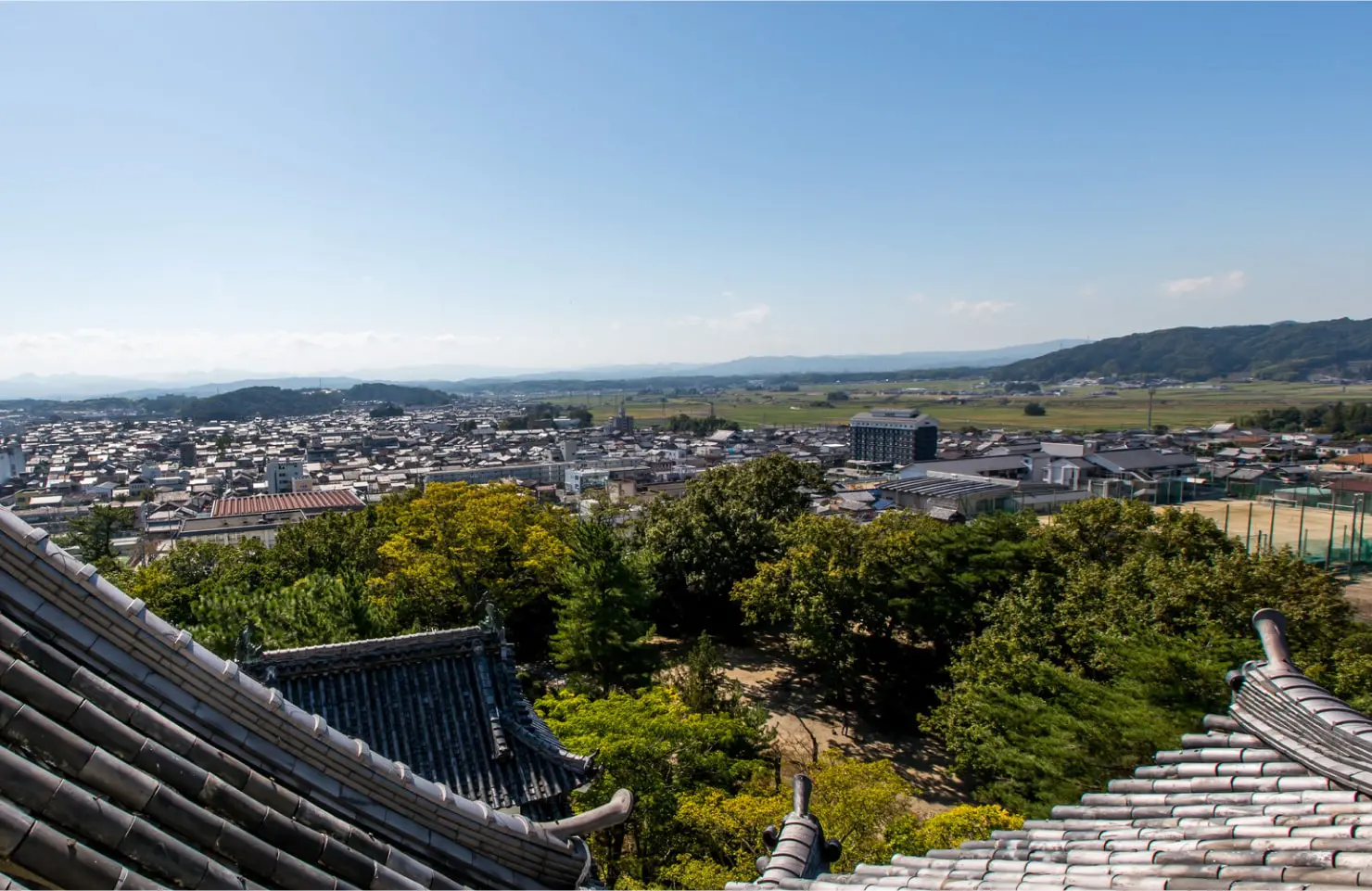
The foundation of Iga town "Iga Basin"
Iga is located in a basin surrounded by mountains, and it is said that about 4 million years ago, the "Kobiwa Lake" spread here.
These geographical backgrounds have led to the development of Iga's culture and cuisine.
Surrounded by mountains, Iga has historically fostered a climate that deepens connections within the region, leading to the development of culture and industry suited to its geographical characteristics as a castle town.
Through routes such as the Yamato Highway and Iga Highway, it played a role in connecting surrounding towns and prospered as a post town during the Edo period.
Furthermore, the high-quality soil brought by the Kobiwa Lake, the unique and intense temperature variations of the basin, and the clean underground water from rivers such as the Kizugawa have contributed to the creation of Iga's representative food culture, including the top-grade Iga rice and the Iga sake enjoyed by leaders from various countries at the G7.