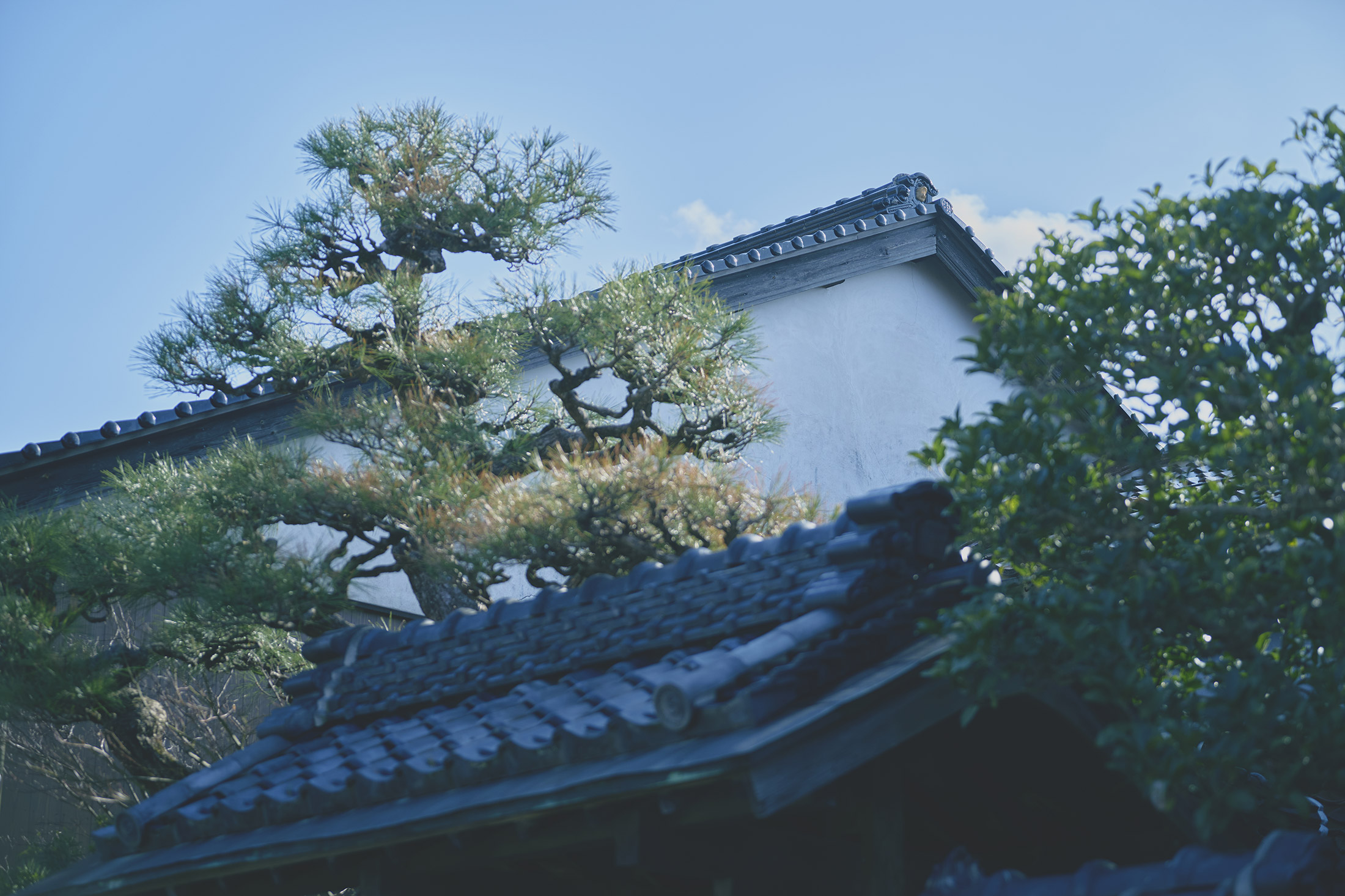
About three hours from Tokyo, Kurayoshi City in Tottori Prefecture is easily accessible from tourist destinations that evoke the traditions and myths of Japan, such as Kyoto and Izumo. From the Edo to the Meiji periods, this area flourished as a distribution center for goods and as a commercial hub lined with prosperous merchant houses.
"Kazeno Kurayoshi" is a "distributed retreat hotel" that views the entire historical town as a single accommodation. It has designed former wealthy merchants' residences and storehouses to be scattered throughout the town, serving as the front desk, guest rooms, and dining areas, making the experience of exploring the town itself a pleasure during the stay.
Beyond mere lodging, the time spent engaging with the 'aesthetics of living' that have been passed down in this land and the 'breeze' of the area becomes an experience that reconnects the region's traditions with one's own heart. Through the stay, one becomes a 'connector' of culture, participating in the cycle of passing history into the future. This represents a new form of travel that leads to the rejuvenation of both mind and body.
Walk in the silence
protected by the mythical mountains, and be healed
"Kazeno Kurayoshi" is located in the Utsubuki Tamagawa area, which is a national Important Preservation Districts for Groups of Traditional Buildings. A rare landscape unfolds where white-walled earthen storehouses stand along the gentle flow of the Tamagawa river, harmonizing water and architecture.
This land, long regarded as the core of the 'mythical country', is embraced by two sacred mountains: 'Mt. Mitokusan', the realm of Buddha, and 'Mt. Daisen', the realm of gods. The spirit of purification, which is said to have been practiced by ascetics to prepare their minds and bodies before returning to the secular world, still breathes within the tranquility of this town.
What we propose is a 'Heritage Retreat' where you walk through alleys that still breathe history and touch upon the ancient beauty of Japan, allowing you to rediscover yourself, which you may have lost in your daily life. By feeling the nature of Mt. Utsubukiyama, which shows different expressions through the seasons, and bathing in the pure breeze, you will surely feel your senses awaken and your body and mind slowly rejuvenate.


The architectural beauty of cultural properties that have marked over a hundred years
The stage for the retreat will be the 'Ogawa House', a prefecturally designated cultural property, and the 'Former Takata House', a Registered Tangible Cultural Property, both of which were once the former residences of prosperous merchants that thrived as commercial hubs.
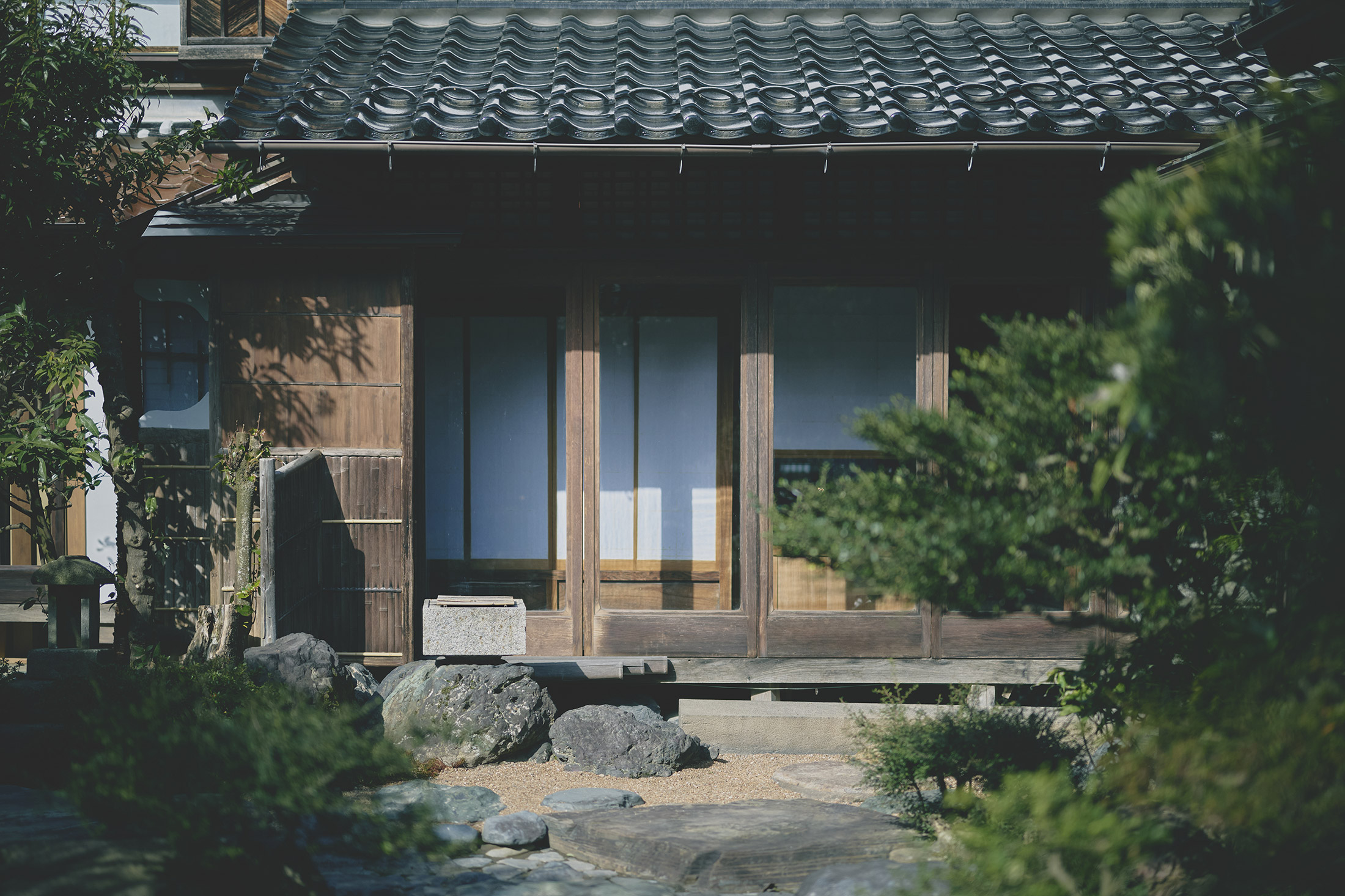
Inside the building, where the red Sekishu tiles and white plaster walls create a beautiful contrast, traces of artisans' hands remain in the earthen walls, and the warmth of wood, which has deepened in flavor over many years, is present. There are only 11 guest rooms, each with a different charm, offering a luxurious experience that allows guests to indulge in the architectural beauty of the past, such as tatami rooms fragrant with fine woods and a maisonette in a storied building with heavy beams.
The delicate latticework and intricately designed nail covers, which embody the essence of the time, continue to pleasantly stimulate the sensibilities of visitors. By surrendering to the designs that have marked over a hundred years, one engages in a dialogue with history. This moment of tranquility allows you to step away from the crowds and spend time restoring your mind and body.
Historical background of cultural properties
The core of 'Kazeno Kurayoshi' consists of two historical buildings that supported the prosperity of Kurayoshi.
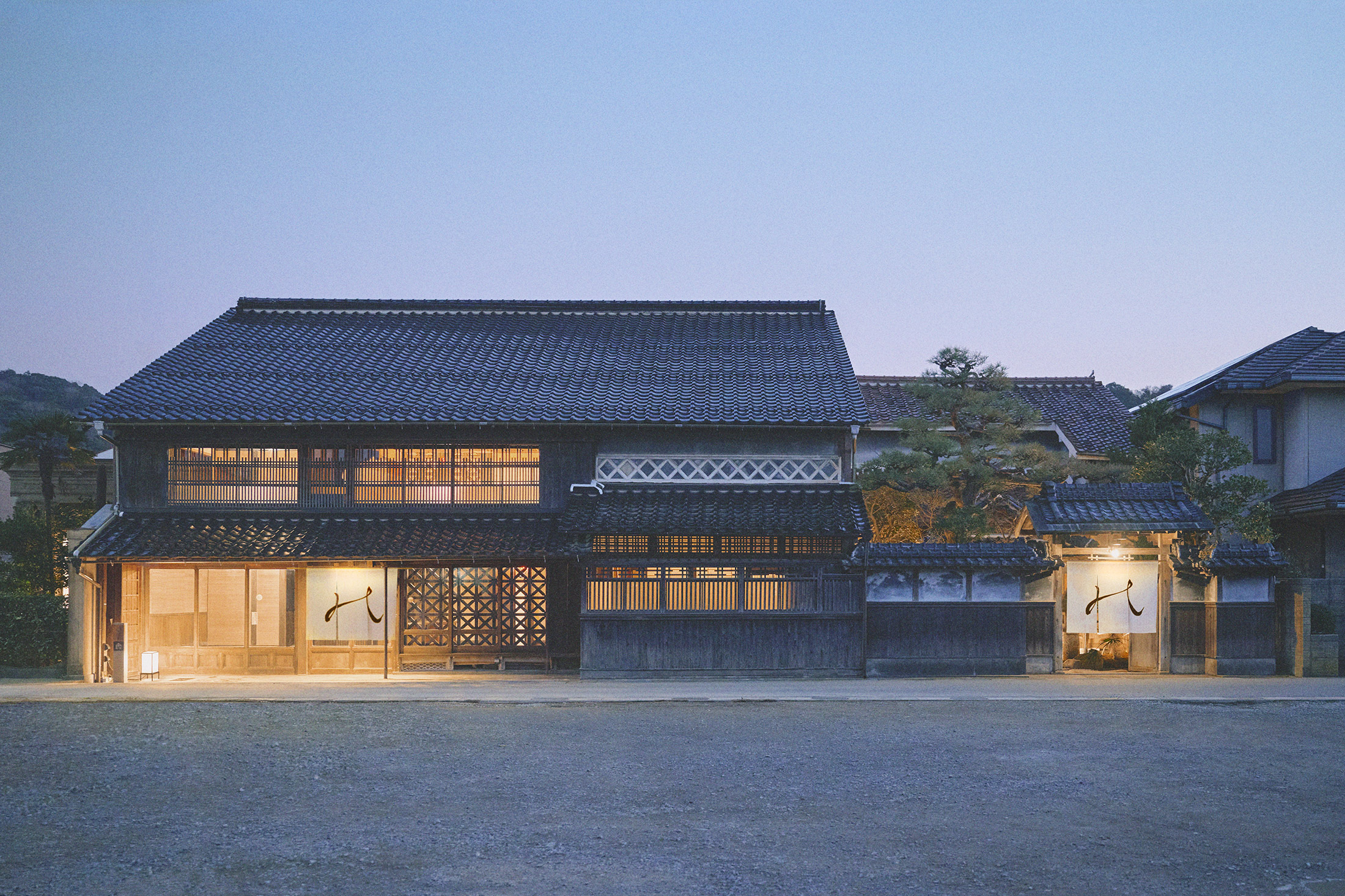
Tottori Prefecture designated protected cultural property "Ogawa House"
The "Ogawa House" is one of the representative merchant houses of Kurayoshi, which has continued since the Edo period. The existing main house was built in the late Meiji period, and later additions such as the new tatami room, Western-style building, and tea room showcase the pinnacle of architectural techniques of that time. In particular, the tatami room and tea room established in the early Showa period for welcoming guests, along with the beautiful garden that reflects the changing seasons, convey the high cultural education nurtured by the merchants of Kurayoshi. Of course, the architectural style holds value, but the spirit of hospitality rooted in this land is also alive in the details of the building.
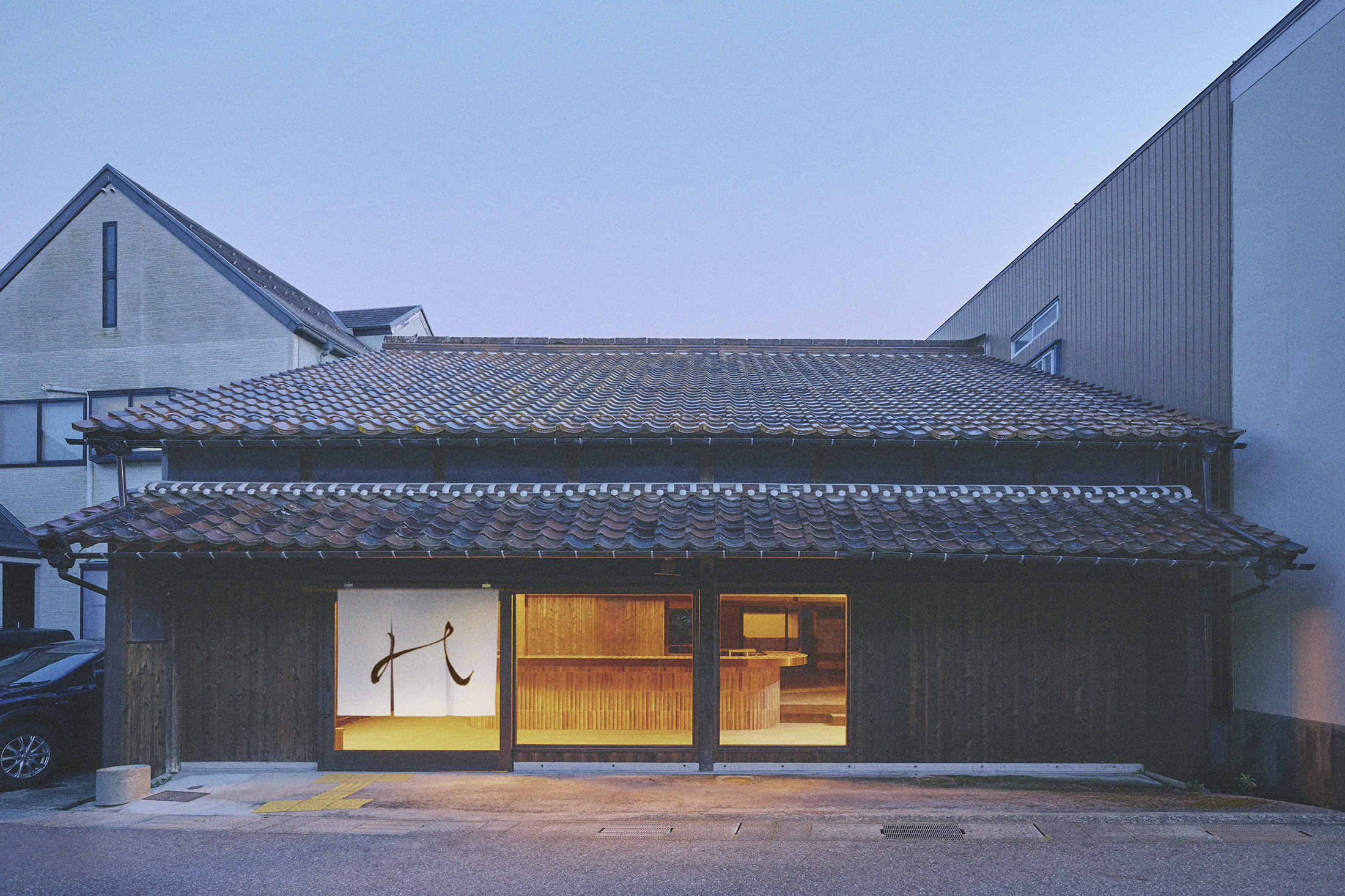
Registered Tangible Cultural Property "Former Takata House"
The 'Former Takata House' is a historic residence that exudes a particularly heavy presence along the Yabase-Ourai thoroughfare, overlooking the Ogamogawa River. Originally engaged in commerce, the expansive grounds feature not only the main house but also several storages ('kura') protected by sturdy earthen walls. The storages that have been transformed into guest rooms symbolize the 'protection' that once safeguarded household goods and merchandise. The space, utilizing a maisonette structure, retains heavy beams and pillars from that era, allowing visitors to physically feel the memories of a solid merchant family's lifestyle.
These two mansions are the very embodiment of the pride that the city of Kurayoshi has carried through the years. Spending time within these cultural heritage sites, which are 'living history,' brings visitors a deep sense of tranquility that transcends time.
The craftsmanship of master artisans breathes life into every part of the building.
The space of Kazeno Kurayoshi is shaped by natural materials refined over more than a hundred years and the exquisite craftsmanship left by the master artisans of the time. The Japanese aesthetic, which values the texture of the materials themselves and the changing light, breathes throughout the building, rejecting ornate decorations.


Kurayoshi's design, the Osaranma (woven lattice) and the play of light and shadow
The "osaranma" (woven lattice) applied in the guest rooms and lounge of the Ogawa family is a delicate design passed down from the merchant houses of Kurayoshi, consisting of multiple layers of thin bamboo and wooden slats. The light and wind, which change with the seasons and times of day, pass through this delicate lattice, casting regular shadows and highlights within the room. From the soft morning light filtering through the shoji screens to the deep shadows that fall in the evening, please enjoy a rich moment unique to cultural heritage architecture, surrounded by the ever-changing contrasts.
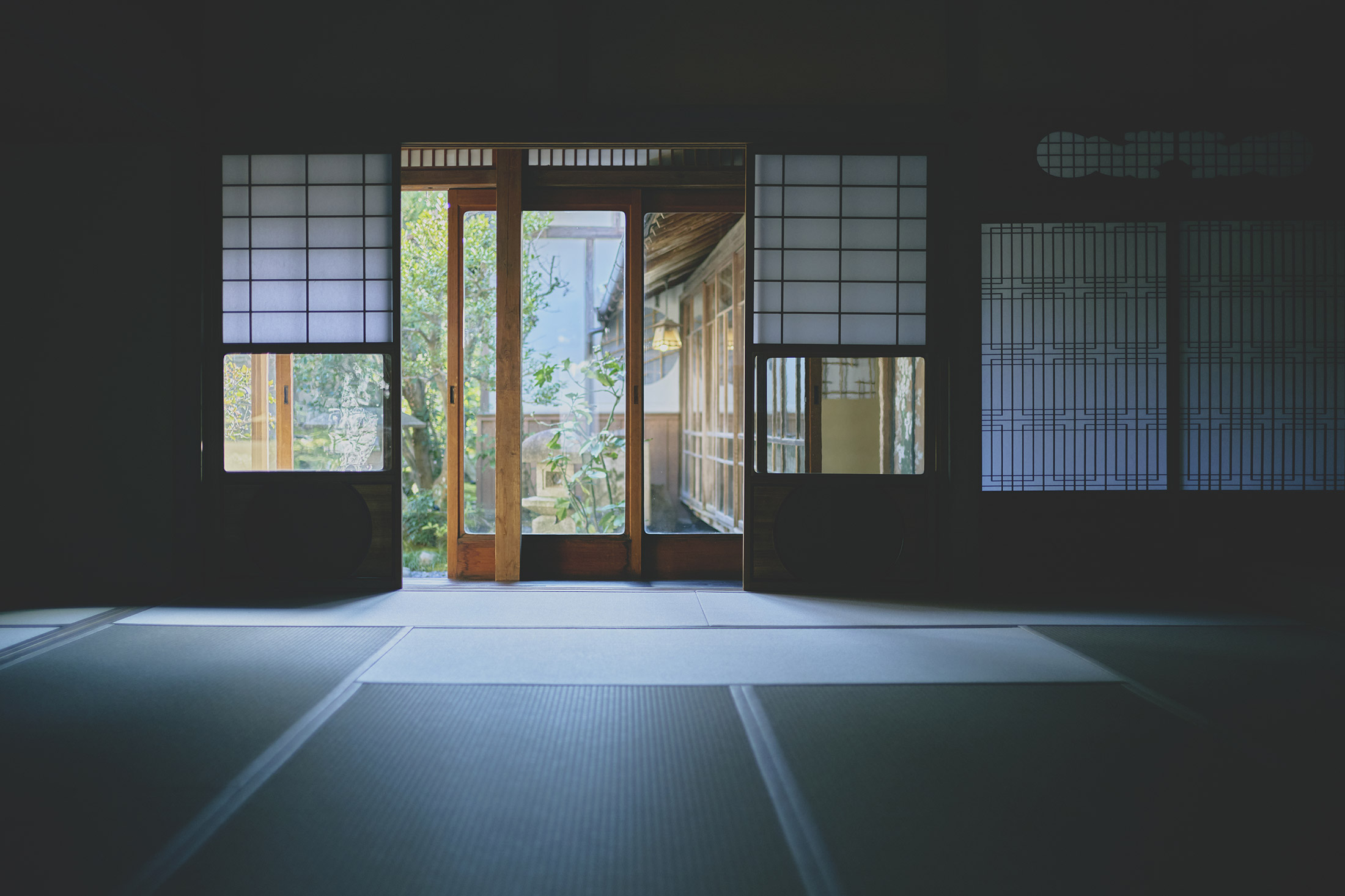
The texture of materials, the warmth of earth walls and wood
The earthen walls bear the marks of skilled artisans, and the sturdy pine beams support the space with strength. The aged wood exudes a unique luster and deep fragrance, providing a gentle sense of tranquility throughout the area. The texture of the floor, which can be felt barefoot, and the beauty of the wooden framework assembled without nails are noteworthy. In this space, where the designs of master craftsmen come to life, one can experience the rich texture unique to cultural heritage architecture.
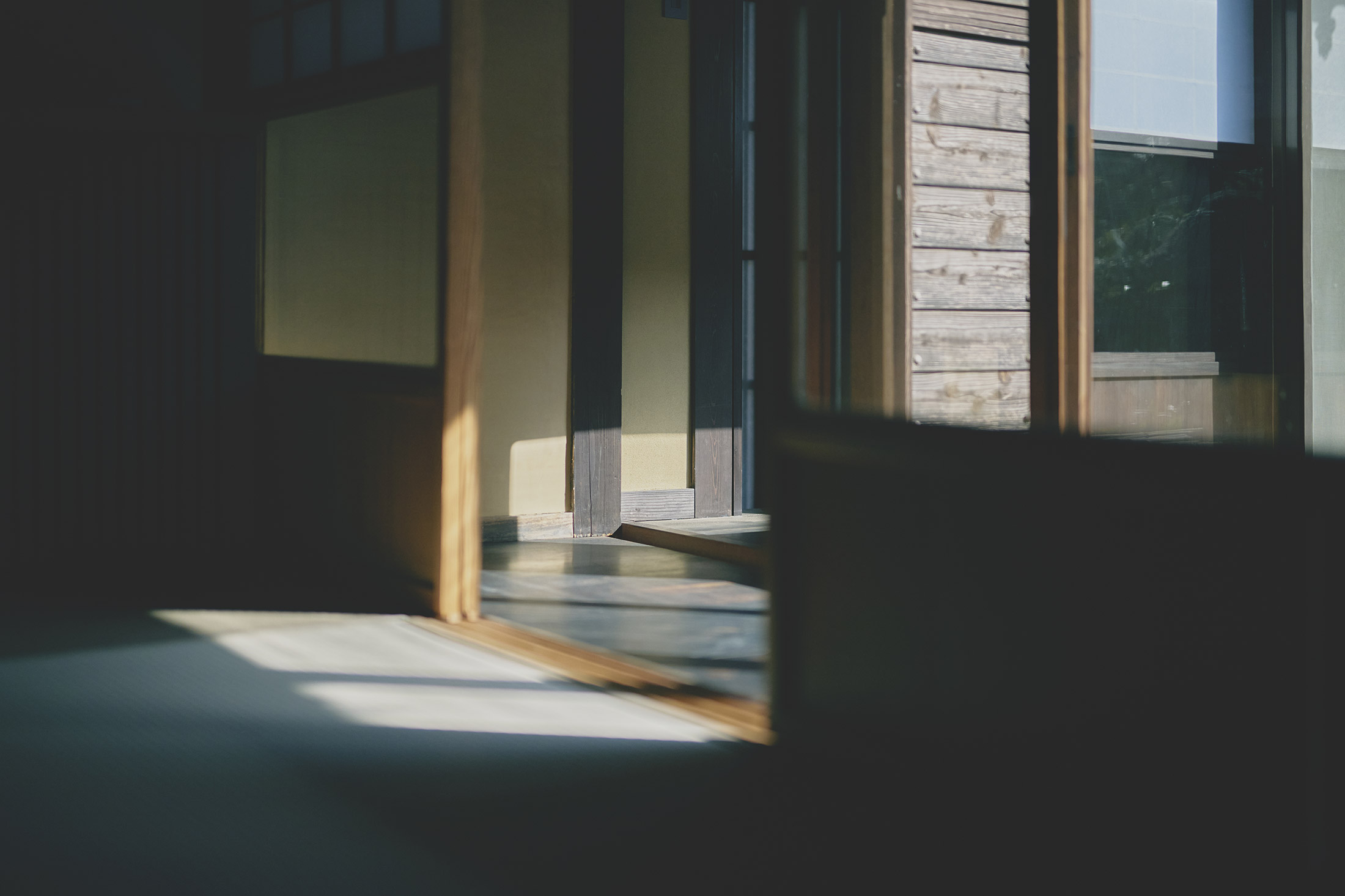
Beautifully capturing nature, the "space" of the garden
The garden, meticulously designed and left behind by the Ogawa House, is also a part of the architecture. Sitting down in the tatami room, one can gaze at the green landscape framed by the opening, which resembles a picture frame. The soft light reflecting on the water's surface and the sound of leaves swaying in the wind create a serene atmosphere. Thanks to the traditional Japanese design of 'ma' that gently connects the interior and exterior, one can feel the ever-changing nature up close just by sitting there. It is an experience of shedding the everyday and merging with the breath of Kurayoshi.
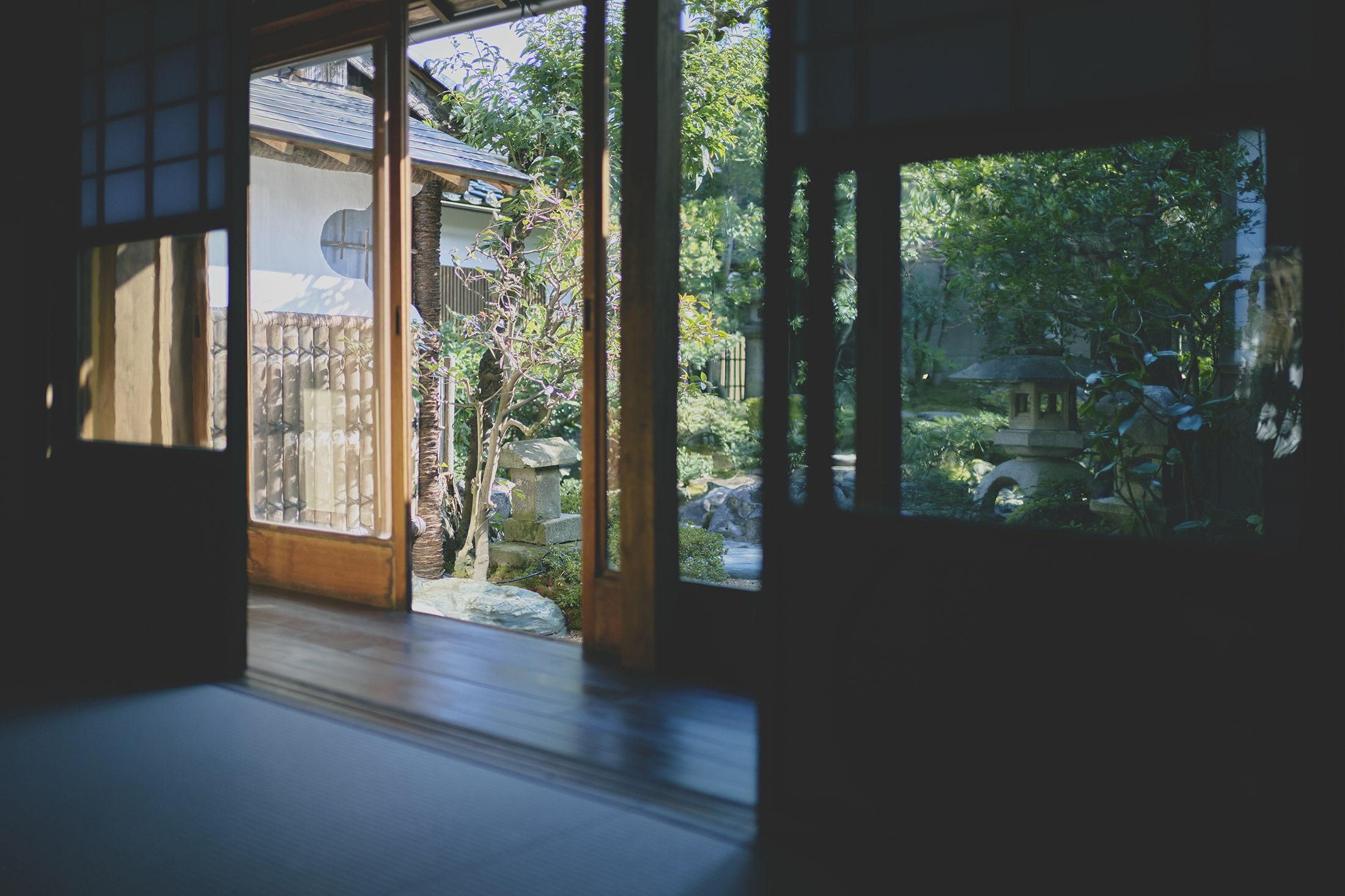
Shedding the everyday and merging with the breath of Kurayoshi.
Protected by a design that has marked over a hundred years, I quietly surrender myself. It is the beginning of a rich and untainted time, where one can hear the sounds of the wind cherished by former masters and appreciate the blessings of the earth.
In the embrace of the Mt. Daisen that has continued since the age of mythology, the tranquility of Mt. Mitokusan, where ascetics reflect upon themselves. And still today, the craftsmanship and lifestyle of the artisans breathe life into the town of white-walled earthen warehouses. The healthy rhythm that flows through this land deepens our breath and transforms our sensibilities into something transparent.
This is not merely a journey of "sightseeing"; it is a trip that traces the memories of the land and awakens your true self. We have prepared a "tuning moment" for you to open your heart to the winds of Kurayoshi and return to your original self.
A stay that allows you to rediscover your true self, something you cannot encounter in ordinary travel.